
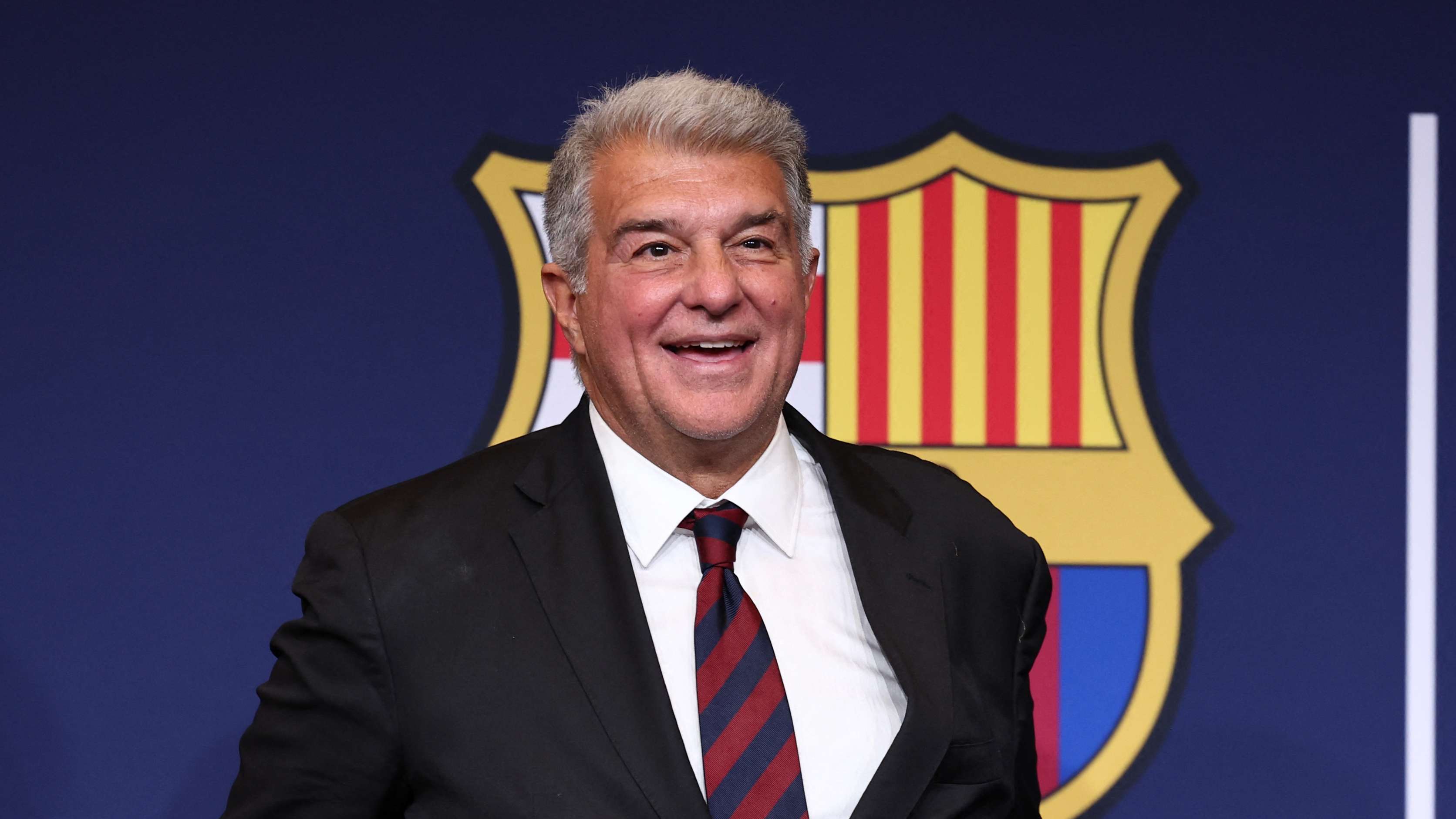

Spotify Camp Nou: Transforming a Legendary Stadium into a Premier Revenue Powerhouse
The iconic Spotify Camp Nou, home to FC Barcelona, is undergoing a remarkable transformation that extends far beyond its role as a football stadium. While it remains the epicenter of football excitement and a symbol of Catalan identity, the stadium is increasingly becoming a lucrative commercial asset, leveraging innovative strategies to generate long-term revenue streams. This shift signals a new era for football clubs worldwide, where stadiums are not just venues for matches but vital components of a club’s financial ecosystem.
Revolutionizing Revenue through VIP Seat Licensing
One of the most groundbreaking initiatives at Camp Nou involves the sale of exclusive VIP seats through long-term licensing agreements. The club plans to auction approximately 2,000 premium seats via contracts spanning 15 to 30 years. This approach allows fans, corporate clients, and hospitality enthusiasts to secure a permanent, prestigious spot within the stadium’s most exclusive areas, in exchange for an upfront payment. Partnering with Legends Global, a renowned hospitality and licensing company, FC Barcelona aims to maximize the value derived from these premium assets.
Projected Revenue and Strategic Goals
According to reports from the Spanish sports newspaper Marca, Barcelona’s ambitious plan targets a staggering guaranteed revenue of around 700 million euros over the duration of these licensing agreements. This ambitious figure underscores the club’s commitment to diversifying its income sources beyond traditional ticket sales and broadcasting rights. The revenue will be distributed across approximately two and a half seasons, providing a substantial financial boost that reinforces the club’s competitive and operational stability.
Exclusive Benefits for VIP License Holders
Those who acquire these VIP licenses will enjoy a host of exclusive benefits designed to enhance their experience and foster a sense of belonging within the Barcelona community. Each license grants the holder an **exclusive seat** in the stadium’s premium zones, ensuring a prime view of the action during matches. Beyond the game-day experience, licensees will access a range of high-end hospitality services, including private lounges, gourmet dining options, and personalized concierge services. These amenities are crafted to cater to corporate clients seeking to entertain partners or wealthy fans eager to indulge in luxury during matchdays.
This model transforms the traditional football spectator experience, creating a seamless blend of sport, luxury, and business networking opportunities, further elevating the stadium’s status as a global hospitality hub.
Building on Past Successes: The First Phase of VIP Sales
Barcelona’s strategy is already bearing fruit. In the initial phase of VIP seat sales, the club successfully sold 5,000 premium seats, securing guaranteed revenues exceeding 380 million euros. The swift sell-out of all suites and boxes at Camp Nou demonstrates the high demand for exclusive football experiences and the willingness of fans and corporate entities to invest heavily in their association with the club.
These sales have not only provided immediate financial gains but also cemented the stadium’s reputation as a premier destination for luxury football hospitality. The success of this initial phase has galvanized the club’s broader vision of transforming Camp Nou into a multi-faceted revenue-generating powerhouse.
Expanding the Commercial Model: Beyond Matchday Revenues
FC Barcelona is now actively shifting its focus from solely relying on matchday income to developing a comprehensive hospitality and commercial model. The goal is to make the stadium a year-round asset that attracts tourism, corporate events, and private functions, alongside football matches. This approach aligns with global trends where modern football clubs leverage their stadiums as multifunctional venues.
By offering tailored packages such as stadium tours, VIP hospitality experiences, and exclusive events, Barcelona aims to create a continuous revenue stream that sustains the club’s financial health and competitive edge. The stadium’s transformation into a vibrant commercial hub also enhances the club’s brand visibility and global outreach, attracting fans and investors from around the world.
The Future of Football Stadiums and Prediction for Growth
The strategic commercial development at Camp Nou reflects a broader revolution in football, where financial sustainability is increasingly linked to innovative stadium management. As clubs seek to capitalize on their iconic venues, the successful integration of hospitality services, licensing agreements, and fan engagement is becoming vital.
Looking ahead, the prediction for football clubs embracing such models is promising. The blending of sport and luxury not only enhances fan experience but also provides a stable financial foundation in an era of fluctuating broadcasting revenues and sponsorship challenges. For FC Barcelona, this means a future where the stadium is not just a place to watch football but a central pillar of the club’s long-term economic strategy.
Why This Matters for Football Fans and Investors Alike
For dedicated football fans and potential investors, the evolving landscape of stadium commercialization offers compelling opportunities. Fans interested in premium experiences can now secure long-term VIP licenses, ensuring a consistent and exclusive connection to the club. Meanwhile, investors and corporate clients recognize the value in aligning with a globally renowned football institution, leveraging the prestige and reach of Barcelona to enhance their brand visibility.
Ultimately, the transformation of Camp Nou exemplifies how football clubs are innovating to stay financially resilient and culturally relevant amid changing consumer preferences and economic realities. As the stadium continues to evolve into a hub of luxury, entertainment, and sport, the prediction is clear: football’s future will be defined not just by the game on the pitch but by how clubs creatively monetize their iconic venues.
Conclusion: A New Era for Football and Stadium Revenue
The strategic initiatives at Spotify Camp Nou serve as a blueprint for football clubs worldwide aiming to unlock new revenue streams. By turning their stadiums into multi-purpose commercial assets, clubs like FC Barcelona are leading the way in redefining the relationship between sport, luxury, and business. With predictions pointing to sustained growth in stadium-based hospitality and licensing models, the future of football looks brighter—and more profitable—than ever before.
As fans, investors, and stakeholders watch these developments unfold, one thing is certain: the beautiful game is evolving, and its most iconic venues are at the heart of this transformation, promising a vibrant, lucrative future for football clubs globally.