
FIFA Faces Internal Clash as European and North American Confederations Demand Transparency and Funds Redistribution
The world of international football is witnessing an unprecedented internal dispute that could reshape how FIFA manages its vast financial resources. At the heart of this controversy are the presidents of UEFA and CONCACAF—two of the sport’s most influential confederations—who have publicly challenged FIFA’s leadership and financial practices. Their bold demands highlight deeper issues surrounding governance, transparency, and the future direction of global football development.
Unprecedented Calls for Financial Transparency and Redistribution
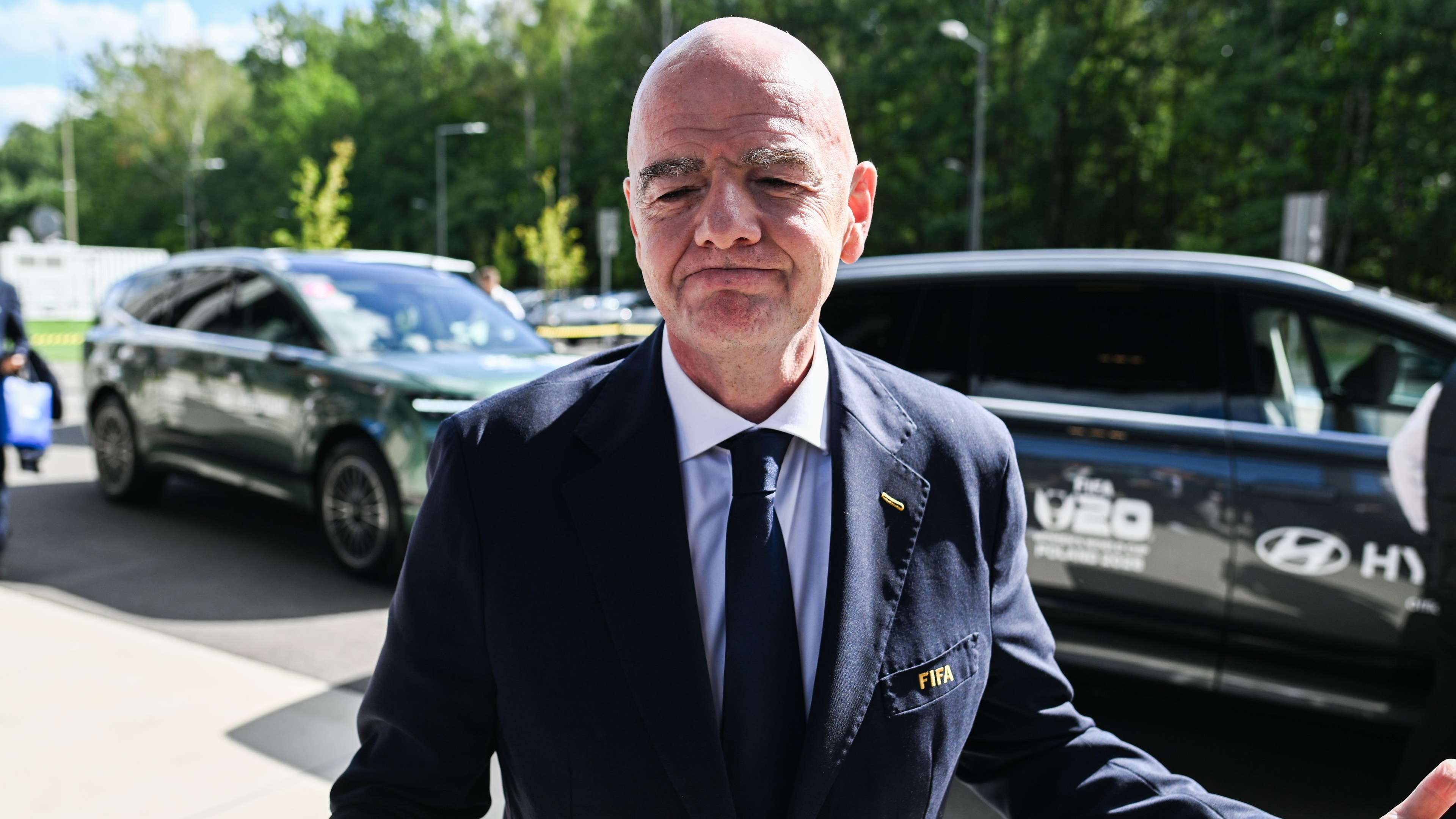
In a move that has sent shockwaves through the football community, Aleksander Ceferin, president of UEFA, and Victor Montagliani, president of CONCACAF, jointly penned a strongly worded letter to FIFA President Gianni Infantino. The correspondence, made public by Reuters this Friday, explicitly calls for an independent audit of FIFA’s financial reserves and the release of billions of dollars currently held in frozen funds.
This letter isn’t just a routine request; it signals a significant shift in the power dynamics within FIFA. The European and North American confederation leaders are urging the global governing body to open its books, disclose its assets, and consider a substantial redistribution of its wealth to help underfunded associations around the world. Their primary demand is the reallocation of a staggering $2.1 billion among FIFA’s 211 member associations, with each receiving at least $10 million during the upcoming 2027-2030 cycle.
The Rationale Behind the Demands: Development and Governance
According to the letter, these funds are intended to bolster football infrastructure, grassroots development, and local competitions—core priorities for elevating the sport globally. The proposed distribution is designed to supplement FIFA’s existing “FIFA Forward” programme, which already allocates resources to member associations, but critics argue it’s insufficient given the body’s substantial reserves.
This push comes amid controversy surrounding FIFA’s recent initiatives, particularly the “FIFA Forward Enterprise” project. Originally conceived as a way to attract external investment by selling stakes in FIFA’s commercial assets, the plan was swiftly abandoned following widespread resistance within the FIFA general assembly. Critics argued that such financial maneuvers risked prioritizing profits over the development needs of football communities worldwide.
Massive Reserves Expose a Discrepancy
One of the core arguments presented by Ceferin and Montagliani is based on FIFA’s own financial disclosures. Their analysis, which scrutinizes publicly available financial statements and budgets from 2022 to 2025, reveals that FIFA is on track to finish the 2023-2026 cycle with record reserves of approximately $6 billion. This figure is the largest in the federation’s history and suggests that FIFA possesses ample resources to support its member associations without resorting to asset sales or risky ventures.
Furthermore, even if FIFA disbursed the proposed $2.1 billion, their forecast indicates that reserves would remain above $1.5 billion throughout the next cycle. This amount exceeds FIFA’s own minimum reserve level set at 50% of the annual budget, reinforcing the argument that the federation can afford to allocate more funds directly to football development.
Calls for Independent Oversight and Democratic Governance
Ceferin and Montagliani emphasized that their financial analysis remains preliminary, integrating actual results from recent years with projections for upcoming seasons and assumptions for the 2027-2030 period. To ensure transparency and accountability, they advocate for a comprehensive, independent review of FIFA’s finances—conducted with full access to all relevant data and assumptions.
They also propose that the confederations collaborate on this review, with the findings and recommendations presented to the FIFA Council for approval. Their goal is to foster a governance environment rooted in transparency, where the allocation of funds aligns with the development needs of the global football community and is not subject to individual discretion or political influence.
Implications for FIFA’s Leadership and Future Elections
This internal conflict comes at a pivotal moment for FIFA, as Gianni Infantino prepares to seek a new term in the March 2027 elections. Despite mounting criticism, the FIFA president remains a dominant figure, with opponents struggling to find a credible challenger. The ongoing dispute over financial transparency and resource distribution could influence the upcoming leadership race and shape the future of the organization.
FIFA has yet to respond officially to the letter, but the internal tensions reveal a broader debate about governance reform and the equitable distribution of resources in international football. Critics argue that the federation must prioritize development over profit and ensure that its financial strength benefits the sport at the grassroots level, especially in regions where football is still emerging.
Broader Context: Football, Prediction, and Global Development
This internal discord within FIFA underscores a crucial theme in modern football: the tension between commercial interests and the sport’s core developmental mission. As global football fans, analysts, and stakeholders watch closely, the debate also feeds into predictions about the federation’s future trajectory.
Many experts believe that increased transparency and equitable resource distribution could rejuvenate international football, especially in underrepresented regions. Such reforms might also influence the competitive landscape of football prediction markets, where the strength of national associations and their infrastructure can impact team performances and tournament outcomes.
In the broader context, this controversy highlights the importance of good governance, financial integrity, and strategic investments in sports development—elements that are essential for the sport’s growth and the prediction models that analyze team potential, player development, and tournament outcomes.
Looking Ahead: What’s Next for FIFA and Global Football?
As the world awaits FIFA’s response, the internal push for transparency and redistribution could catalyze significant reforms within the organization. The upcoming FIFA Council meeting will be a critical platform for discussions, where confederation leaders aim to secure support for independent reviews and fair resource allocation.
For football fans and stakeholders, the resolution of this dispute could determine whether FIFA continues to prioritize commercial ventures or shifts focus towards sustainable development and grassroots growth. Such a change could also influence the predictions and betting markets, as stronger, better-funded national teams emerge from more equitable investments in their local football ecosystems.
Conclusion: A Pivotal Moment in Football Governance
The internal conflict within FIFA exemplifies the ongoing struggle between maintaining financial strength and ensuring that the sport’s development remains a priority. The bold demands from UEFA and CONCACAF serve as a wake-up call for transparent governance and responsible resource management. As the debate unfolds, the global football community watches with keen interest—hoping for reforms that will foster a more equitable, sustainable, and competitive future for the beautiful game.