
Former Manchester United Head Coach Criticized for Handling of Kobbie Mainoo
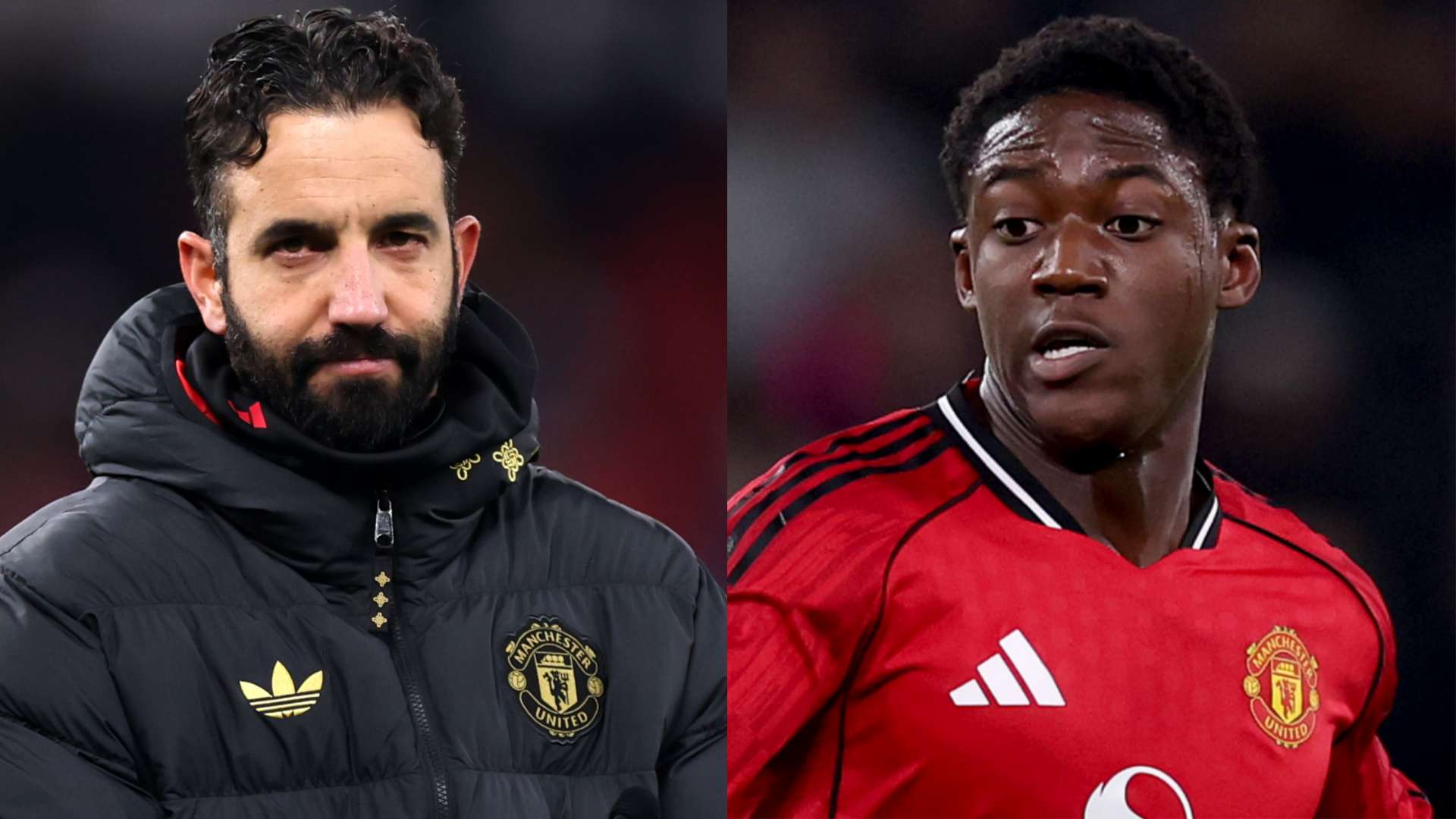
Former Manchester United head coach, Ruben Amorim, is facing criticism for his failure to bring out the best in England midfielder, Kobbie Mainoo, during his tenure at Old Trafford. Mainoo’s recent impressive form under new boss Michael Carrick has highlighted the contrast between his limited opportunities under Amorim’s management.
Mainoo’s Resurgence Under Carrick
Despite making only a few appearances while Amorim was in charge, Mainoo has been a key player in all four of Manchester United’s recent victories under Michael Carrick’s leadership. His performances on the pitch have caught the attention of fans and pundits alike, leading to questions about why he was not utilized more effectively under the previous management.
With Carrick at the helm, Mainoo has been given a chance to showcase his talent and has not disappointed. His dynamic style of play and ability to influence games have been crucial in United’s recent success, leaving many to wonder why he was not given similar opportunities under Amorim.
Criticism of Amorim’s Handling
Amorim’s failure to unlock Mainoo’s full potential during his time as head coach has raised eyebrows and sparked debates among football enthusiasts. Some have described Mainoo’s resurgence as ‘very embarrassing’ for Amorim, highlighting the stark difference in the midfielder’s performance under the two different managers.
It is evident that Mainoo’s capabilities were not fully utilized under Amorim’s leadership, as his impact on the team was limited compared to his recent contributions under Carrick. The criticism directed towards Amorim underscores the importance of effective player management and tactical decisions in football.
The Impact of Coaching Changes on Player Performance
Mainoo’s success under Carrick serves as a reminder of the significant impact that coaching changes can have on player performance. The midfielder’s rapid improvement under the new boss emphasizes the importance of understanding and leveraging the strengths of individual players to achieve success on the pitch.
For Amorim, the criticism surrounding his handling of Mainoo highlights the challenges that coaches face in maximizing the potential of their players. It serves as a valuable lesson in the dynamic nature of football management and the need for adaptability and effective communication with players.
Looking Ahead
As Manchester United continues its season under the guidance of Michael Carrick, the focus will be on sustaining the team’s current momentum and building on the success achieved in recent matches. Mainoo’s resurgence serves as a positive sign for the team and a testament to the impact of effective coaching on player performance.
It remains to be seen how Mainoo’s role in the team will evolve under Carrick’s leadership and whether he will continue to be a key player in United’s future matches. The spotlight will be on both Mainoo and Carrick as they navigate the challenges and opportunities that lie ahead in the football season.
In conclusion, the contrast between Mainoo’s limited opportunities under Amorim and his recent success under Carrick highlights the importance of effective coaching in maximizing player potential and achieving success on the pitch. The criticism directed towards Amorim underscores the challenges faced by coaches in understanding and utilizing the strengths of their players to drive performance and results.
Optimizing Player Potential Through Effective Coaching
Effective coaching in football goes beyond just tactics and formations; it also involves understanding the strengths and weaknesses of individual players to maximize their potential on the field. The case of Kobbie Mainoo highlights how a change in coaching can unlock a player’s capabilities and lead to significant improvements in performance.
Under Amorim’s management, Mainoo struggled to secure a regular spot in the starting lineup and showcase his talents. However, Carrick’s arrival has provided him with a fresh chance to prove himself, resulting in a resurgence that has caught the attention of fans and critics alike.
Coaches play a crucial role in creating an environment where players can thrive and excel. By fostering a positive relationship with their players, understanding their strengths, and providing them with the necessary support and guidance, coaches can help unlock their full potential and elevate their performance on the pitch.
The Importance of Player-Coach Relationships
Building a strong player-coach relationship is essential for success in football. Players need to trust their coach, feel supported, and understand their role within the team to perform at their best. Effective communication, feedback, and encouragement from the coach can motivate players to push themselves and deliver top performances.
The contrast between Mainoo’s experiences under different managers underscores the impact of the relationship between players and coaches on player development and success. Carrick’s ability to connect with Mainoo, understand his strengths, and provide him with opportunities to shine has been instrumental in the midfielder’s recent resurgence.
Adapting to Changes in Management
Changes in coaching staff can have a significant impact on player performance and team dynamics. Players may respond differently to new coaches based on their coaching style, tactics, and communication methods. Adapting to these changes and understanding how to work effectively with different coaches is essential for players looking to succeed at the highest level.
Mainoo’s ability to adapt to Carrick’s coaching style and thrive under his leadership highlights the importance of flexibility and open-mindedness in football. Players who can adjust to new coaching philosophies and approaches are more likely to continue growing and improving throughout their careers.
Conclusion
The story of Kobbie Mainoo’s transformation from a struggling player under Amorim to a key performer under Carrick exemplifies the profound impact that effective coaching can have on player development and success in football. It serves as a reminder of the critical role that coaches play in unlocking the potential of their players and guiding them towards achieving their best on the field.
As Mainoo continues to impress under Carrick’s guidance, the focus will remain on the positive influence of coaching on player performance and the importance of building strong player-coach relationships. The lessons learned from Mainoo’s journey highlight the essential qualities that coaches must possess to help players reach their full potential and succeed in the highly competitive world of football.