
Raphinha’s Barcelona Return Complicated by Insomnia and Injury Concerns
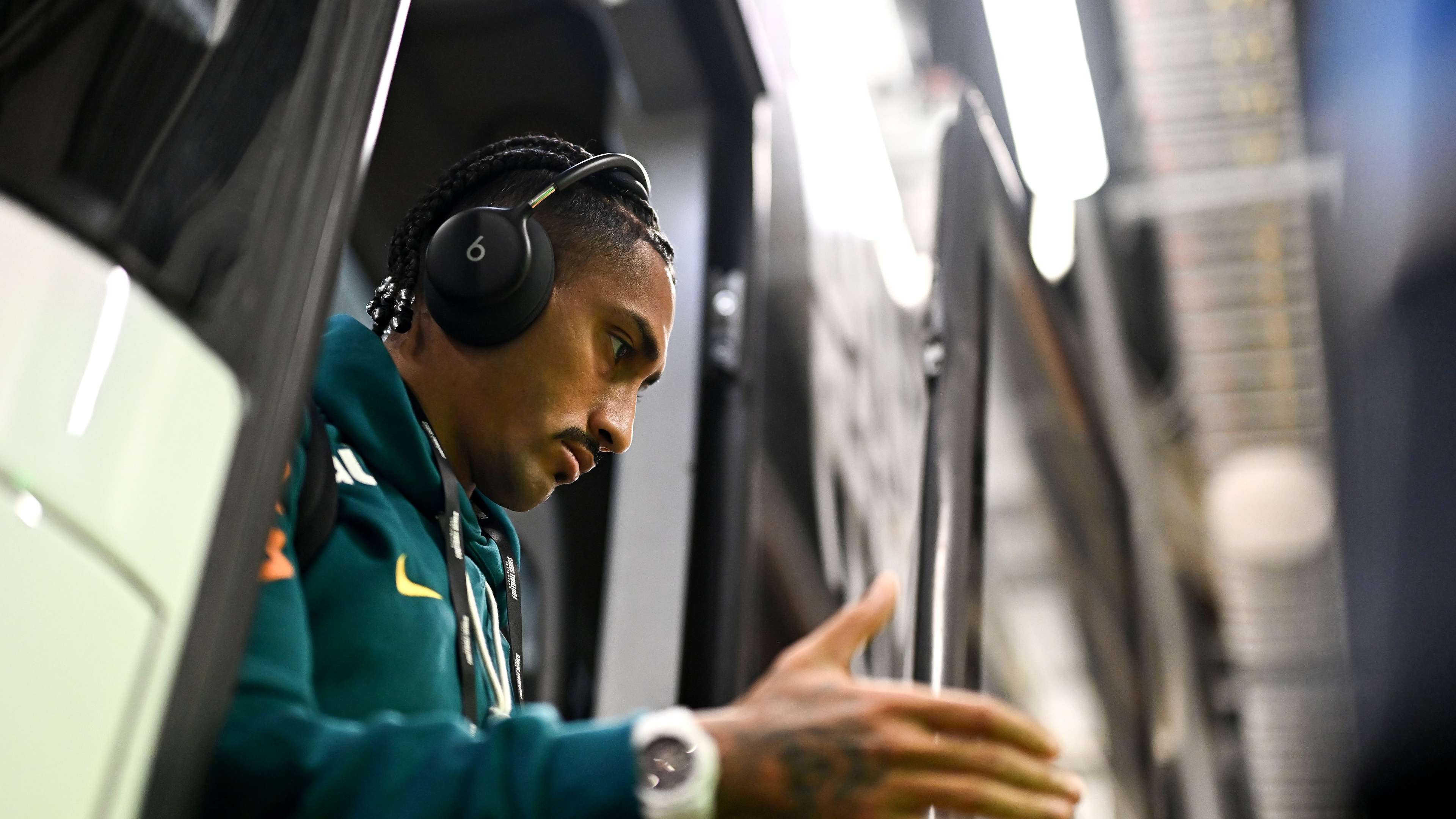
Barcelona captain Raphinha has returned to action after a thigh injury, but his recovery is facing an unexpected obstacle: severe sleep disruption following Brazil’s long-distance trip to Australia. The problem has raised fresh concerns at the Catalan club, where staff are carefully managing the forward’s workload to reduce the risk of another setback.
The Brazilian winger recently recovered from oedema in his right thigh—a muscle issue affecting the same area he has injured twice before while representing his country. With Barcelona relying heavily on his attacking output and tireless pressing, his availability matters. Yet the club’s priority is not simply getting him back on the pitch; it is ensuring he can stay fit once he returns.
A long journey with a difficult time-zone shift
According to Spanish newspaper Mundo Deportivo, Raphinha’s sleep problems began during Brazil’s journey to Australia. The trip reportedly involved close to 24 hours in the air, followed by a nine-hour time difference between Australia and Barcelona. Such a rapid change can disrupt the body’s internal clock, making it difficult to sleep and recover at the usual times.
Long-haul travel is a familiar challenge for international footballers, particularly when national-team commitments require them to cross several time zones before returning to their clubs. Players may have limited time to readjust before training or competition resumes. For someone recovering from a muscle injury, disrupted sleep is especially concerning because the body depends on consistent rest as part of its physical recovery.
Barcelona reportedly anticipated the effects of the trip and involved the club’s sleep specialist ahead of the journey. The aim was to help players adapt to the schedule and lessen jet lag. Despite those preparations, Raphinha has reportedly struggled to get enough rest and is now dealing with acute insomnia.
Why sleep matters during injury recovery
Sleep is an important part of an athlete’s recovery routine. Rest supports the body’s ability to repair tissue, manage fatigue and prepare for the next training session. When sleep is poor, players may find it harder to recover between demanding workloads. That does not mean insomnia automatically causes a new injury, but it can add another strain at a time when the player’s body is already being monitored closely.
Raphinha’s situation is particularly delicate because the issue affects the same thigh region that has caused trouble before. Barcelona’s medical and coaching teams therefore have reason to take a cautious approach. A player can feel ready to compete while still needing a gradual increase in minutes, especially after a recent layoff and an exhausting international schedule.
The club’s accredited sleep specialist, Ana West, reportedly visits the sports centre twice a month. She was at the club shortly before the international break and has worked with players on practical habits designed to encourage better rest. Her guidance includes keeping a regular sleep schedule, using relaxation techniques and choosing suitable lighting before bedtime.
Raphinha is said to have followed the advice, but the disruption has persisted. That highlights a broader challenge in elite sport: sleep routines can help, but they cannot always immediately overcome the effects of a major time-zone change, travel fatigue or the pressure of returning to competition.
Barcelona weigh the risk as fixtures approach
Raphinha’s importance to Barcelona helps explain why his condition is attracting attention. The original report highlights his strong attacking contribution, including 14 goals in eight matches, as well as the intense pressing he brings when the team does not have possession. His pace, work rate and direct approach can help Barcelona create chances and force opponents into mistakes.
But those same qualities demand considerable physical effort. A forward who presses aggressively and makes repeated high-speed runs places significant demands on his muscles. If fatigue is building because of poor sleep, the coaching staff may need to balance the benefits of having him available against the consequences of asking too much too soon.
That means Raphinha’s minutes could be managed carefully in the coming matches. Barcelona may choose to build his playing time gradually, assess how he responds after each appearance and avoid exposing him to unnecessary strain. The approach could frustrate supporters eager to see their captain back at full strength, but it reflects the club’s need to protect a key player across a long campaign.
What to watch in the coming weeks
For Barcelona, the immediate focus will be on whether Raphinha’s sleep improves and how his thigh responds to training and match action. His recovery will be judged not only by whether he can play, but also by whether he can handle the demands of repeated fixtures without renewed discomfort. Medical updates, squad selections and any limits on his minutes may offer clues about the club’s confidence in his condition.
Supporters searching for a football prediction involving Barcelona should treat Raphinha’s availability as an important variable. If he is fit and able to play a substantial role, his pressing and goal threat can strengthen the team’s attacking options. If his workload is restricted, Barcelona may need other forwards to provide more of the direct running and finishing that he normally supplies. Any prediction, however, should also account for the opponent, the wider squad and the possibility that the club will prioritise caution.
Raphinha’s return is therefore about more than the recovery of a thigh muscle. It is also a test of how quickly his body can readjust after demanding international travel and disrupted sleep. Barcelona have experience, specialist support and a clear incentive to manage him carefully. The coming weeks will show whether rest and a gradual return can resolve the problem—or whether the captain’s recovery requires additional patience.