
Arsenal Manager Mikel Arteta’s Tactical U-turn Explained
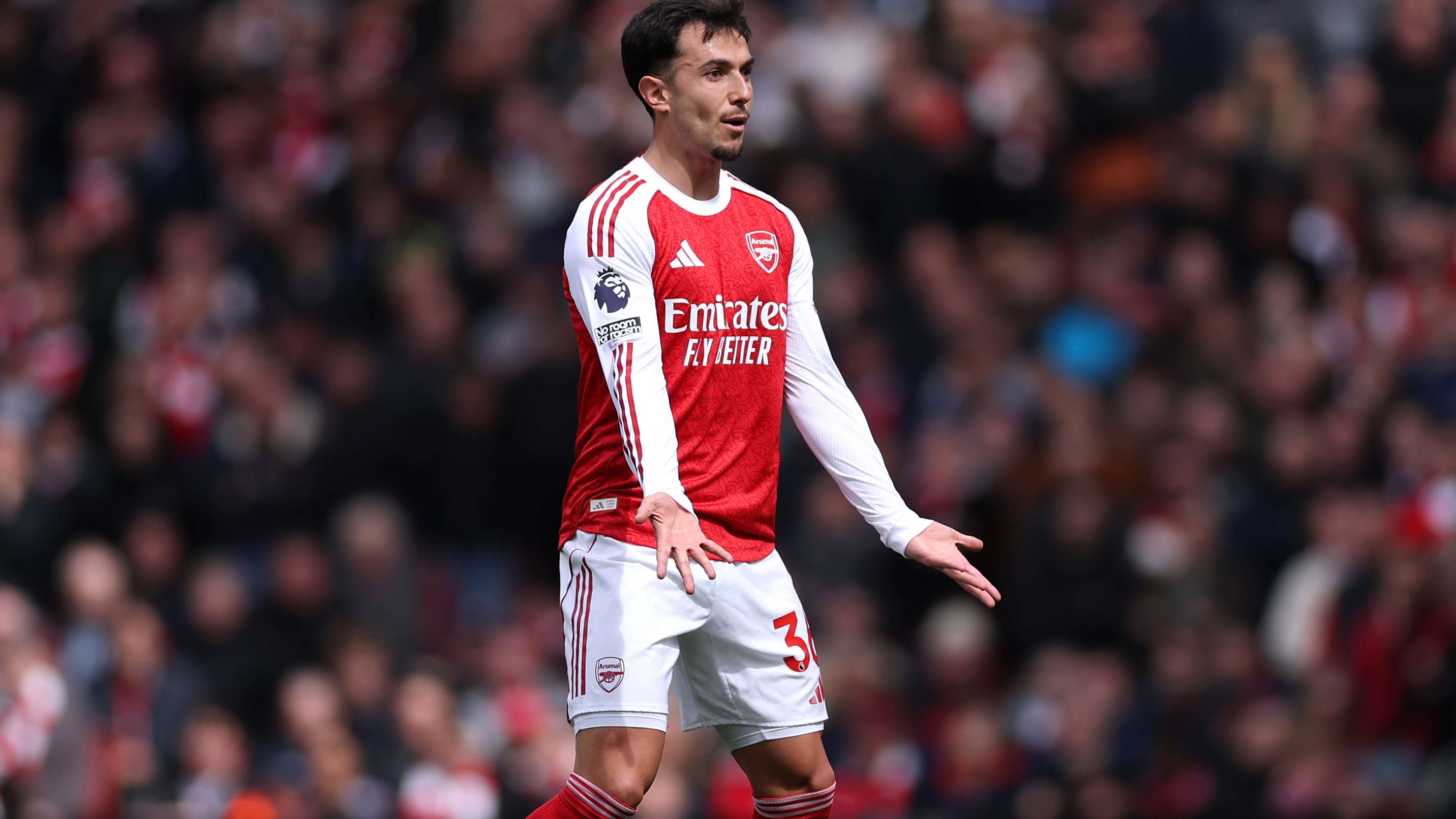
Arsenal manager Mikel Arteta recently made a surprising tactical decision during their match against West Ham, substituting Martin Zubimendi just 39 minutes after bringing him on. This move raised eyebrows among fans and pundits alike, but Arteta has now provided a candid explanation for his decision.
Disruption in Team Rhythm
Arteta revealed that the decision to substitute Zubimendi was a result of an initial reshuffle in the team’s formation after defender Ben White sustained an injury in the first half. This unexpected change disrupted the team’s rhythm and cohesion, prompting Arteta to make a quick and ruthless decision in order to protect Arsenal’s slender lead in the Premier League title race.
Speaking about the incident, Arteta said, “When Ben went off, we had to make some tactical adjustments that affected the balance of the team. Bringing on Zubimendi was a tactical decision, but unfortunately, it didn’t work out as we hoped.”
Protecting Arsenal’s Lead
Arsenal currently find themselves in a strong position in the Premier League title race, and every point is crucial in their quest for the championship. Arteta’s decision to substitute Zubimendi was a calculated move aimed at safeguarding their lead and securing a vital victory against a tough West Ham side.
Arteta emphasized the importance of making bold decisions during crucial moments in matches, stating, “In high-pressure situations like this, sometimes you have to make tough calls for the benefit of the team. Protecting our lead was paramount, and I had to make a difficult decision.”
Reaction from Fans and Pundits
The substitution of Zubimendi sparked debate among Arsenal supporters and football pundits, with many questioning Arteta’s tactics and decision-making. However, some fans defended the manager’s choice, citing the need to prioritize the team’s overall performance and results.
One fan commented, “While it may have been a bold move, Arteta’s decision to substitute Zubimendi shows his commitment to winning at all costs. We trust his judgment and support the team no matter what.”
Looking Ahead
As Arsenal continue their pursuit of the Premier League title, Arteta’s tactical decisions will be under scrutiny as the pressure mounts in the final stretch of the season. The manager remains focused on guiding his team to success and is determined to make the right calls to ensure Arsenal’s competitiveness in the title race.
With key matches on the horizon, including crucial fixtures against top rivals, Arteta’s ability to adapt tactically and make tough decisions will be crucial in determining Arsenal’s fate in the title race. Fans will be watching closely to see how the manager navigates the challenges ahead and leads the team to potential glory.
The Importance of Tactical Flexibility in Football
Football is a game of constant evolution, with tactics playing a crucial role in determining a team’s success. Mikel Arteta’s tactical U-turn highlights the importance of flexibility and adaptability in modern football. In a sport where one decision can change the course of a match, managers must be prepared to make bold choices to secure victory.
With the increasing competitiveness in top-level football, the margin for error is minimal, making tactical awareness a key attribute for managers. Arteta’s willingness to make tough decisions, such as the substitution of Zubimendi, demonstrates his commitment to maximizing his team’s chances of success, even if it means deviating from the original game plan.
The Psychology of Decision-making in Football
Football is not just about tactics and strategy; it is also about psychology and decision-making under pressure. Mikel Arteta’s decision to substitute Zubimendi not only had tactical implications but also psychological ones. By demonstrating his authority and decisiveness, Arteta sent a message to his players that he is willing to make tough choices to secure victory.
In high-pressure situations, managers must balance strategic thinking with emotional intelligence, understanding the impact of their decisions on the team dynamics and morale. Arteta’s ability to navigate these psychological aspects of decision-making is a testament to his leadership skills and vision for Arsenal’s success.
The Evolution of Arsenal under Mikel Arteta
Since taking over as Arsenal manager, Mikel Arteta has implemented a clear vision for the team, emphasizing tactical discipline and strategic flexibility. His tactical U-turn against West Ham is just one example of his willingness to adapt and innovate to achieve results. Under Arteta’s guidance, Arsenal has shown signs of progress and competitiveness in the Premier League title race.
Arteta’s tactical acumen and attention to detail have been key factors in Arsenal’s resurgence, with the team displaying a more structured and cohesive style of play. As the season unfolds, Arteta’s ability to make astute tactical decisions will be vital in maintaining Arsenal’s momentum and challenging for the league title.
The Role of Fan Support in Football
Football is a sport that thrives on passion and loyalty, with fan support playing a significant role in a team’s success. While managerial decisions may sometimes be met with criticism and skepticism, the unwavering support of fans can provide a crucial boost to the team’s morale and confidence.
Arsenal fans have shown their commitment to standing by Mikel Arteta and the team, recognizing the challenges and complexities of modern football. Their support serves as a source of motivation for the players and coaching staff, instilling a sense of unity and determination to overcome obstacles and achieve success.
Conclusion
Mikel Arteta’s tactical U-turn against West Ham was a bold and calculated decision aimed at securing victory and maintaining Arsenal’s position in the Premier League title race. As the season progresses, Arteta’s tactical acumen and decision-making skills will be put to the test in crucial matches that will shape Arsenal’s fate.
By demonstrating flexibility, decisiveness, and leadership, Arteta is positioning Arsenal as a competitive force in English football, with the potential to challenge for top honors. Fans will continue to support the team through ups and downs, recognizing the complexities of the sport and the importance of unity in achieving collective goals.