
Exciting Kickoff of Kabaddi at the 20th Asian Games in Japan: A Comprehensive Overview
The much-anticipated kabaddi competition officially commenced on Monday, September 21, 2026, at the 20th Asian Games held in the vibrant cities of Aichi and Nagoya, Japan. This marks yet another chapter in the sport’s rich history at the Asian Games, as kabaddi continues to captivate audiences with its intense displays of agility, strategy, and teamwork. Over the course of six action-packed days, athletes from across Asia will battle for supremacy at the Tokai Citizens Gymnasium, with a total of 18 matches scheduled in the men’s and women’s categories.
Historic Significance and Background of Kabaddi at the Asian Games
Kabaddi, a traditional contact sport originating from South Asia, has been a staple of the Asian Games since its debut in Beijing 1990 for the men’s competition and Guangzhou 2010 for women. The sport’s inclusion reflects its growing popularity and the increasing competitiveness among Asian nations. Since then, India has dominated the sport, securing an impressive 11 gold medals out of 13 editions—eight in men’s and three in women’s categories—establishing itself as a powerhouse in the continental arena.
However, the landscape is shifting. Countries like Iran, Korea, Pakistan, and Chinese Taipei have made significant strides, narrowing the gap and intensifying the competition. The 2026 edition promises to be one of the most competitive in recent history, with new talents emerging and established teams eager to defend or dethrone reigning champions.
Venue and Schedule: Where and When the Action Unfolds
The kabaddi events are hosted at the state-of-the-art Tokai Citizens Gymnasium, situated in the picturesque Aichi Prefecture. The tournament runs from September 21 to September 26, featuring a meticulously planned schedule that ensures maximum engagement from fans and viewers worldwide.
Each day is divided into two sessions—morning (6:00 AM to 10:30 AM IST) and evening (12:30 PM to 4:50 PM IST)—allowing fans to catch live action across multiple matches. The final day culminates with the highly anticipated gold medal matches, scheduled for September 26, with the women’s final set at 9:30 AM IST and the men’s final at 2:30 PM IST.
Team Composition and Groupings
In the men’s category, ten teams are divided into two groups of five. Group A includes India, Japan, Bangladesh, Korea, and Chinese Taipei, while Group B comprises Iran, Pakistan, Nepal, Thailand, and Malaysia.
The women’s competition features eight teams split into two groups of four. Group A consists of India, Iran, Japan, and Bangladesh, whereas Group B includes Chinese Taipei, Thailand, Sri Lanka, and Nepal.
During the group stage (September 21-24), each team plays every other team in its group once. The top two teams from each group advance to the semi-finals, held on September 25. Notably, there are no bronze medal matches; both losing semi-finalists earn bronze medals, a format that adds an extra layer of excitement and opportunity for the teams involved.
Key Matchups and Day 1 Highlights
Opening Encounters and Results
The tournament opener was a thrilling clash between Bangladesh and Korea in the men’s division, with Bangladesh edging out Korea 39-35 in a tightly contested match that set the tone for the week. The game showcased Bangladesh’s physicality and tactical discipline, qualities that make them perennial contenders despite a long gap since their last podium finish at the Asian Games.
In the second men’s match, Nepal demonstrated resilience by defeating Thailand 59-48, highlighting their regional dominance and potential to challenge higher-ranked teams. Both sides displayed remarkable attacking prowess and defensive strategies, promising an exciting competition ahead.
Meanwhile, the women’s division kicked off with Iran securing a commanding 63-20 victory over Japan—a strong start for the Iranians, who are looking to defend their 2018 gold medal. Iran’s women’s team has been a formidable force, and their opening win underlines their ambitions to continue their success at this edition.
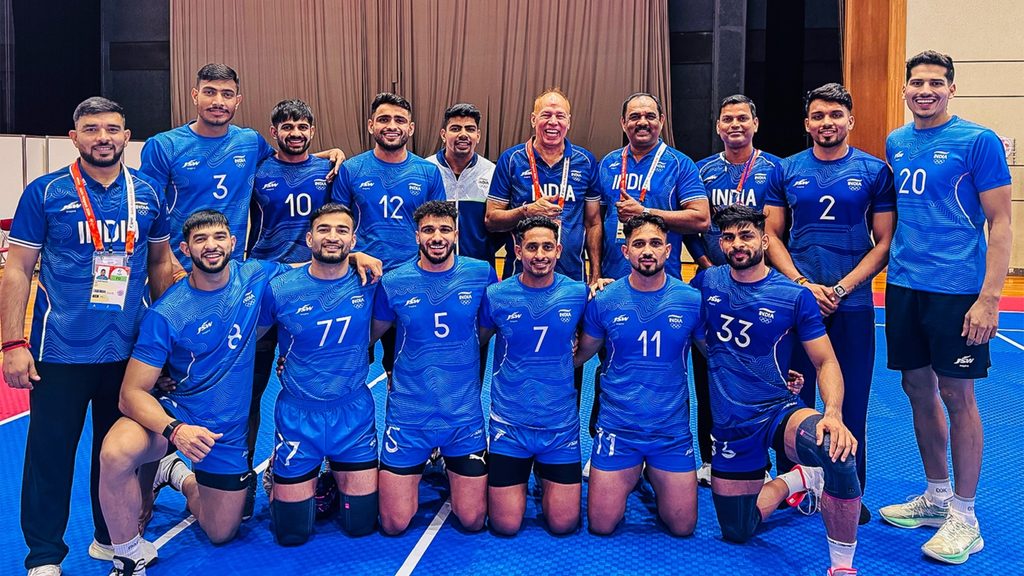
The host nation, Japan, faced a tough test against India in the men’s competition. Despite a spirited effort, Japan succumbed to the Indian team 49-24 in what was the most anticipated match of the morning session. India, led by captain Sunil Kumar, reaffirmed their dominance in the sport, aiming to add yet another gold to their illustrious tally.
Team Performances and Notable Players
India’s men’s team, the most decorated in Asian Games history with 8 gold medals, entered the tournament with high expectations. Their squad, captained by Sunil Kumar, features seasoned veterans like Pawan Sehrawat, who serves as vice-captain, and returning star Balwan Singh. Despite the absence of some players from their Hangzhou 2022 gold-winning squad, the team remains a formidable force, aiming to extend their record dominance.
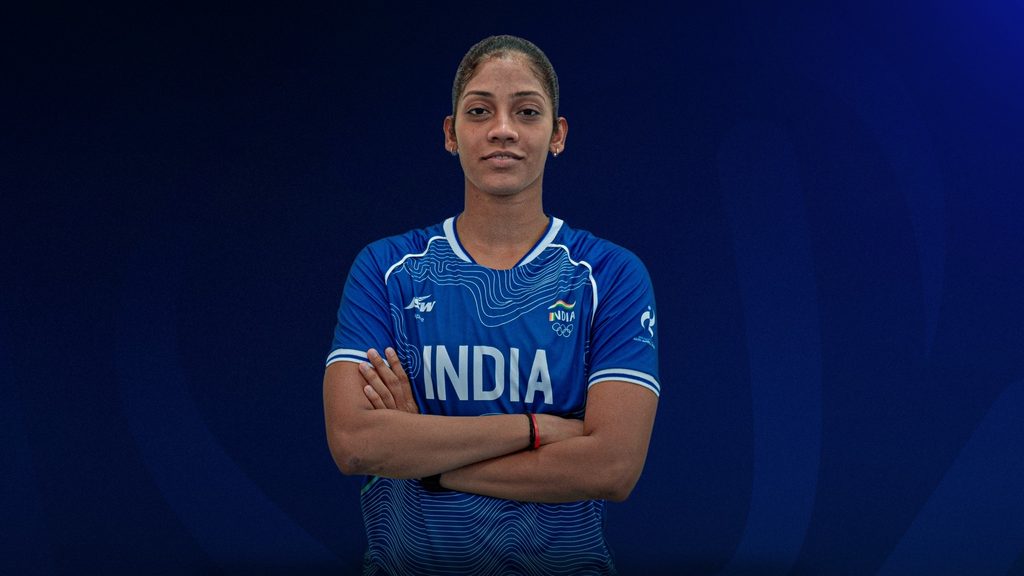
On the women’s side, captain Pushpa Rana leads a talented squad that includes key players such as Sonali Shingate and Neeta Dadwe. India’s women’s team has won three gold medals, with their last victory in 2018, and they remain favorites to contend for the top spot once again.
Japan, the host nation, has been steadily improving, bolstered by a robust domestic kabaddi circuit and increasing international exposure. Their best performance was a bronze medal at Guangzhou 2010. Facing India in the group opener was a significant challenge, but the home crowd’s support has been a motivating factor for the Japanese teams.
Iran, the only other nation besides India to win Asian Games kabaddi golds, showcased their strength with commanding wins in both men’s and women’s divisions in previous editions. Their women’s team began their campaign with a convincing 63-20 win over Japan, signaling their intent to challenge India’s dominance once again.
Emerging Contenders and Historic Rivals
Pakistan, traditionally a medal contender, has secured bronze in the last three Asian Games but is yet to clinch the gold. Their rugged, disciplined style keeps them in the hunt, and they are eager to break their medal drought this year. They started their campaign with a match against Malaysia, a team still seeking its first medal in Asian Games kabaddi.
Korea, which earned a silver medal in Jakarta 2018, continues to build on its success. Their men’s team faced Bangladesh in Day 1, aiming to improve upon their previous performances and challenge the top-tier teams. Chinese Taipei, which secured a silver medal in men’s kabaddi at Hangzhou 2022, is also looking to replicate or surpass their previous best.
Thailand, with three medals in women’s kabaddi, demonstrated their resilience by finishing as runners-up in 2010 and securing bronze in subsequent editions. Their men’s team, meanwhile, opened with a match against Nepal—a fixture that could have significant implications for the group standings.
Looking Ahead: The Road to the Finals
As the group stages unfold, team strategies, player performances, and match-day momentum will shape the journey toward the semi-finals and ultimately the gold medal matches. Every victory, margin of victory, and even minor tactical adjustments will be critical in determining the final standings.
The semi-finals are scheduled for September 25, with both teams fighting for a spot in the coveted final. The women’s gold medal match will take place at 9:30 AM IST, followed by the men’s final at 2:30 PM IST on September 26. These matches promise high-octane action, showcasing the best of Asian kabaddi talent and the fierce rivalries that define the sport.
Why Kabaddi Continues to Capture Hearts at the Asian Games
Kabaddi’s inclusion in the Asian Games symbolizes its significance as a sport that embodies strength, agility, and strategic depth. Its popularity has surged across Asia, fueled by high-profile leagues like the Pro Kabaddi League in India and increasing international exposure.
The sport’s fast-paced nature, physical confrontations, and tactical nuances make it a compelling spectacle for fans. The Asian Games serve as a global stage, elevating kabaddi’s profile and inspiring a new generation of players and enthusiasts.
Final Thoughts: A Tournament to Watch
The 20th Asian Games kabaddi competition has already set a vibrant and competitive tone. With traditional powerhouses like India, Iran, and Pakistan vying for medals alongside rising teams like Korea and Chinese Taipei, fans can expect intense matches and unforgettable moments. As the tournament progresses, the quest for gold will intensify, promising a thrilling week of action that will undoubtedly elevate the sport’s stature on the continental stage and beyond.
Stay tuned for live scores, detailed match analysis, and expert insights as the journey unfolds at the 2026 Asian Games—an event that reaffirms kabaddi’s place as one of Asia’s most exciting sports.