
The Badminton World Federation (BWF) Approves Synthetic Feather Shuttlecocks for Select Tournaments
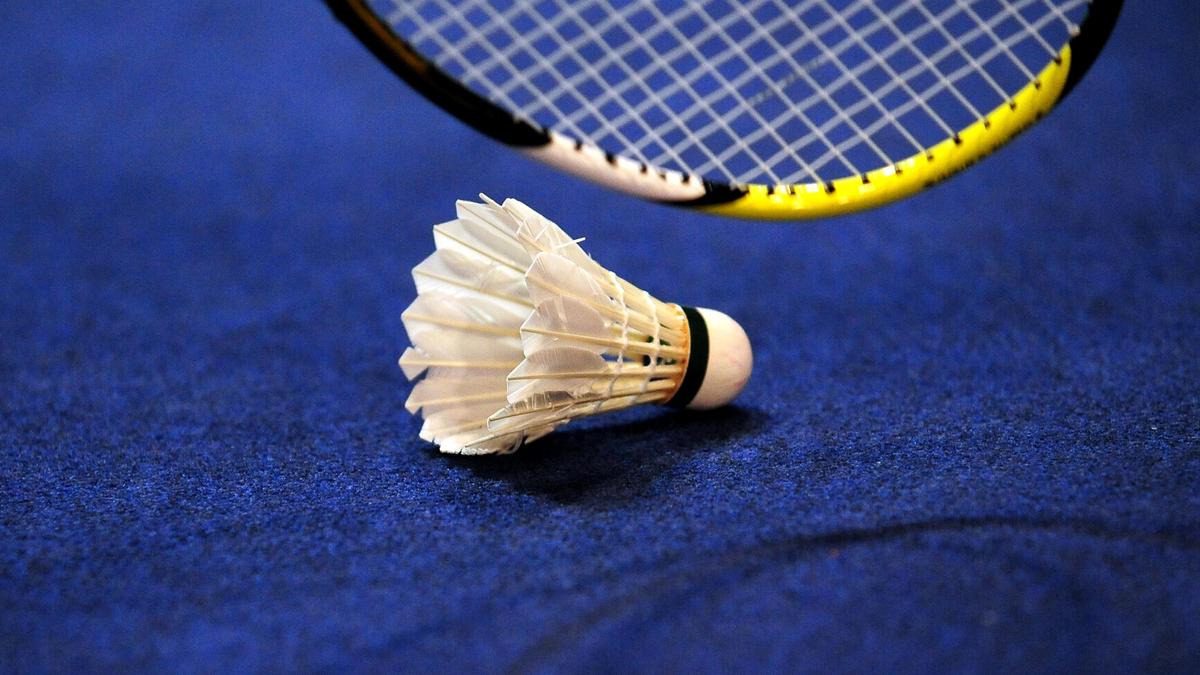
The Badminton World Federation (BWF) recently made a groundbreaking decision to allow the use of synthetic feather shuttlecocks at certain grade three and junior international tournaments. This move is part of the organization’s long-term strategy to assess the potential use of synthetic shuttlecocks at the elite level of the sport.
Rising Cost of Shuttlecocks
One of the main reasons behind this decision is the escalating cost of shuttlecocks made from duck or goose feathers. This increase is primarily driven by shortages of raw materials and the sport’s growing popularity on a global scale. BWF secretary-general Thomas Lund acknowledged the challenges faced by shuttlecock manufacturers and emphasized the need to address supply-chain issues and accelerate the development of synthetic alternatives.
Evaluation of Synthetic Shuttlecocks
The BWF plans to evaluate the quality and performance of synthetic shuttlecocks in higher-level competitive environments. This evaluation will focus on ensuring that the flight and playing characteristics of synthetic shuttlecocks meet the existing competition standards. The organization aims to collect manufacturer performance data and gather feedback from players, technical officials, and event organizers during this trial period.
“The decision to allow synthetic feather shuttlecocks at selected tournaments reflects our commitment to exploring innovative solutions to challenges faced by the badminton community,” stated a BWF spokesperson.
Industry Response
Manufacturers of badminton equipment have welcomed the BWF’s decision and are eager to showcase the performance of synthetic shuttlecocks in competitive settings. The use of synthetic materials is expected to address concerns related to the sustainability and availability of traditional feather shuttlecocks.
Future Implications
If the trial of synthetic shuttlecocks proves successful, it could pave the way for their adoption at the elite level of badminton competitions. This shift would not only lower the cost of shuttlecocks but also promote sustainability within the sport. Players and fans alike are curious to see how synthetic shuttlecocks will perform in comparison to their traditional counterparts.
Conclusion
The BWF’s decision to allow the use of synthetic feather shuttlecocks at selected grade three and junior international tournaments marks a significant milestone in the evolution of badminton equipment. This move highlights the organization’s commitment to innovation and sustainability within the sport. As the trial progresses, the badminton community eagerly anticipates the potential impact of synthetic shuttlecocks on the future of competitive play.
Benefits of Synthetic Shuttlecocks
While traditional feather shuttlecocks have been the standard in badminton for decades, the introduction of synthetic shuttlecocks brings a range of benefits to players, manufacturers, and the environment. Synthetic shuttlecocks are known for their durability, consistency in flight, and resistance to environmental conditions such as humidity. This consistency can provide a level playing field for athletes, ensuring that the performance of the shuttlecock is not compromised during a match.
Moreover, the use of synthetic materials reduces the impact on animal welfare by eliminating the need for feathers sourced from ducks or geese. This shift aligns with broader sustainability goals within the sports industry, as organizations seek to minimize their environmental footprint and promote ethical practices in manufacturing.
Challenges and Considerations
While the adoption of synthetic shuttlecocks presents numerous advantages, there are also challenges and considerations that need to be addressed during the evaluation process. One key aspect is the potential impact on gameplay and player experience. Athletes accustomed to the feel and performance of traditional feather shuttlecocks may need time to adjust to the characteristics of synthetic alternatives.
Additionally, technical officials play a crucial role in assessing the suitability of shuttlecocks for competitive play. The BWF will need to establish rigorous testing protocols to ensure that synthetic shuttlecocks meet or exceed the performance standards set for elite-level tournaments. This process may involve collaboration with manufacturers to fine-tune the design and materials used in synthetic shuttlecocks.
Global Reach and Accessibility
Another significant benefit of transitioning to synthetic shuttlecocks is the potential to increase the accessibility of badminton to a wider audience. By reducing the cost of shuttlecocks and addressing supply-chain challenges, more players around the world may have the opportunity to participate in the sport. This inclusive approach aligns with the BWF’s mission to promote badminton as a global sport that transcends boundaries and barriers.
Furthermore, the use of synthetic shuttlecocks may open up new avenues for innovation in badminton equipment. Manufacturers can leverage advanced materials and technologies to enhance the performance and durability of shuttlecocks, leading to improvements in player experience and gameplay dynamics.
Community Engagement and Feedback
As the trial of synthetic shuttlecocks progresses, community engagement will play a vital role in shaping the future direction of this initiative. Players, coaches, fans, and other stakeholders are encouraged to provide feedback on their experiences with synthetic shuttlecocks, highlighting both strengths and areas for improvement.
By incorporating diverse perspectives and insights from the badminton community, the BWF can refine its approach to integrating synthetic shuttlecocks into elite-level competitions. This collaborative effort underscores the importance of listening to the voices of those directly impacted by equipment changes and innovations in the sport.
Conclusion
The approval of synthetic feather shuttlecocks for select tournaments by the Badminton World Federation represents a significant step towards innovation, sustainability, and inclusivity in the sport of badminton. As the evaluation and trial period unfolds, the global badminton community looks forward to witnessing the potential benefits and challenges associated with the use of synthetic shuttlecocks in competitive play.
By embracing new technologies and materials, the badminton industry continues to evolve and adapt to meet the changing needs of players and fans worldwide. The transition to synthetic shuttlecocks signals a forward-thinking approach that prioritizes performance, sustainability, and accessibility, setting the stage for a new era in badminton equipment innovation.