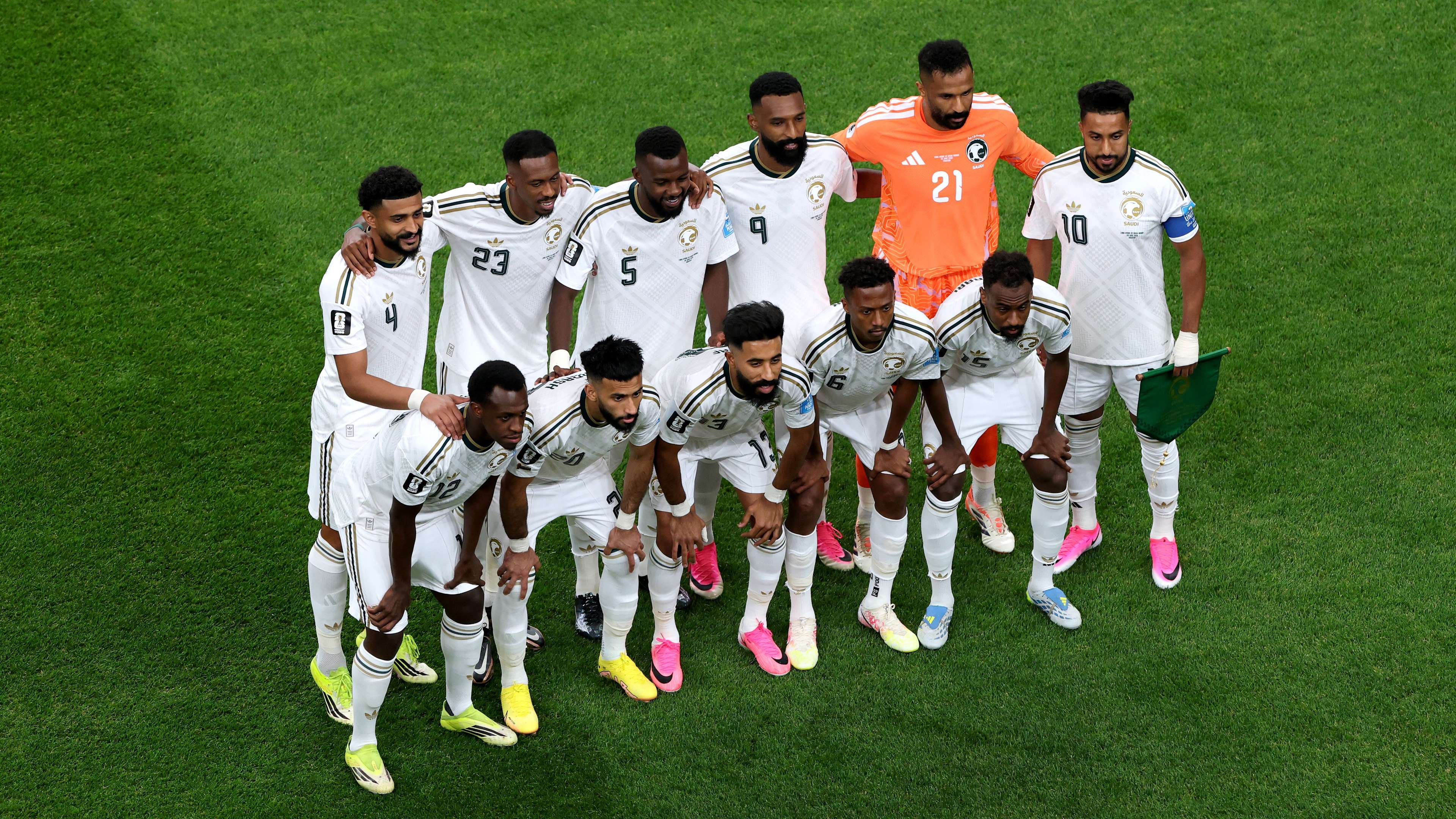


Saudi Arabia’s Victory in Gulf Cup Opens Door for Strategic Reflection and Future Improvements
In a closely contested opening match of the Arabian Gulf Cup, Saudi Arabia managed to secure a narrow 1-0 victory over Kuwait at Al-Inma Stadium in Jeddah. While the result was welcomed by fans and officials alike, the post-match comments from head coach Georgios Donis reveal a deeper concern about the team’s current tactical and technical performance. As football enthusiasts analyze the game and look ahead to future predictions, understanding the strategic insights from this match provides valuable context for both supporters and analysts alike.
Analyzing the Match: A Hard-Fought Win with Underlying Challenges
The game, held on Wednesday evening, was characterized by intense competition and a tactical battle between two competitive teams. Saudi Arabia, often regarded as a strong contender in the Gulf region, showed resilience and determination to claim essential early points in the tournament. However, the match also exposed certain vulnerabilities in their gameplay, particularly in attacking efficiency and decision-making in critical moments.
The sole goal of the match came through a fortunate turn of events, with Youssef Al-Haqqan inadvertently turning the ball into his own net after a shot from Humam Al-Humami struck his foot. This kind of misfortune can sometimes define a match, but it also underscores the importance of clinical finishing and defensive awareness—elements that the Saudi team will likely focus on improving moving forward.
Coach Georgios Donis’s Candid Post-Match Assessment
Following the game, Greek head coach Georgios Donis spoke candidly about the team’s performance, emphasizing both the positives and areas for growth. His comments, broadcasted on Qatar’s “Al-Kass” channels, reflect a coach deeply committed to improving the team’s tactical discipline and decision-making processes.
“I congratulate the players because they tried hard and gave everything,” Donis stated, acknowledging the effort displayed on the pitch. However, he quickly balanced this praise with constructive criticism, highlighting the need for greater composure and strategic decision-making in future matches.
Key Tactical Concerns and Areas for Improvement
One of the critical issues Donis pointed out pertains to ball possession around the opponent’s penalty area. Despite controlling large portions of the game and maintaining possession, Saudi Arabia struggled to convert this dominance into clear goal-scoring opportunities. “It is not acceptable to have the ball close to the opponent’s penalty area so many times without having real chances on goal, and without scoring,” he remarked, underlining the importance of clinical finishing and decisive attacking moves.
This situation mirrors a common challenge in modern football, where possession alone does not guarantee success. The ability to create high-quality chances and execute the final pass effectively is often what separates winning teams from the rest. Donis’s comments suggest that the team needs to refine their attacking movements, improve their final decision-making, and develop more confidence in front of goal.
Building Confidence and Calmness: The Next Step for Saudi Football
Donis stressed that the team’s next evolution lies in fostering greater calmness and confidence among players. “The next step for us is to make our players calmer and more confident in order to make the right decisions,” he explained. This mental aspect is crucial, especially in high-pressure situations where hesitation or rushed decisions can cost valuable points in tournaments like the Gulf Cup.
For football prediction enthusiasts, this insight offers a glimpse into the tactical mindset of the Saudi team. It signals that while they are capable of controlling matches and creating opportunities, their finishing and decision-making need sharpening to translate dominance into goals consistently.
Persistent Challenges Since the World Cup
Donis also touched upon a longstanding issue that has persisted since the recent World Cup: the team’s struggle to convert possession into tangible results. Despite controlling the game and getting close to scoring, the final execution remains an area requiring significant improvement. He emphasized, “We have the ball, we control the match, and we get the ball close to the opponent’s penalty area; but the final pass and final decision are not the best, so we have to make better decisions and score goals.”
This statement is particularly relevant for football prediction analysts looking to gauge Saudi Arabia’s potential in upcoming matches. Their ability to capitalize on opportunities could be the difference between progressing deep into the tournament or facing early exits, making tactical discipline and clinical finishing key factors in forecasts.
The Role of Luck and Defensive Resilience
While the victory was partly attributed to misfortune—Youssef Al-Haqqan’s own goal—the match also highlighted Saudi Arabia’s defensive resilience. Such moments often sway the outcome in tight contests, but they also serve as a reminder that consistency and defensive solidity are vital for sustained success in football tournaments.
Looking Ahead: Strategic Predictions and Expectations
As the Gulf Cup progresses, football prediction experts will closely monitor Saudi Arabia’s tactical adjustments and psychological resilience. Their ability to implement the coach’s advice—particularly in improving final passes, decision-making, and finishing—will be crucial in their bid to advance further in the competition.
Moreover, the upcoming fixtures against Iraq and Oman will serve as critical benchmarks to assess whether the team can translate their possession into more decisive attacking actions. With the tournament still in its early stages, there is ample room for growth, but the path to success demands strategic refinement and mental composure.
Conclusion: A Team at a Crossroads with Promising Potential
Saudi Arabia’s narrow victory over Kuwait in the Gulf Cup exemplifies the complexities inherent in modern football. The match revealed both tactical strengths and vulnerabilities, providing a foundation for future improvements. Under the guidance of Georgios Donis, the team appears committed to addressing these issues, with a focus on smarter decision-making and clinical finishing.
For football fans and prediction enthusiasts, this tournament offers a fascinating case study of how strategic adjustments, mental toughness, and a bit of luck can influence outcomes. As Saudi Arabia aims to build on this victory, the emphasis will be on transforming possession into goals and maintaining defensive stability—elements that could define their success in this and future tournaments.
Stay tuned for more updates, tactical analyses, and predictions as the Arabian Gulf Cup unfolds, promising an exciting journey filled with drama, skill, and strategic battles on the football pitch.