
China Broadcaster Migu Drops Real Madrid Match After Mbappé Controversy
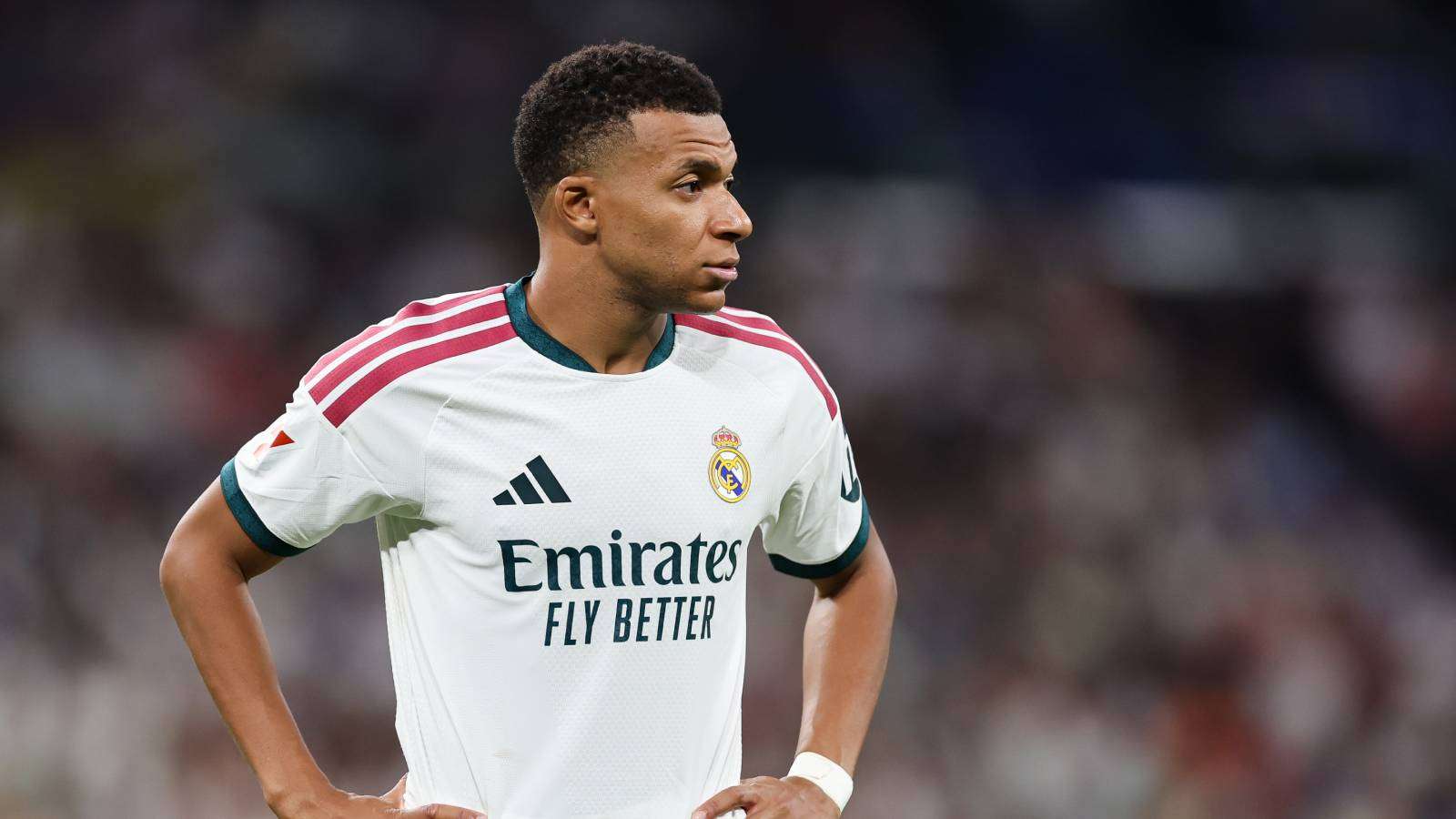
A growing dispute over comments by Kylian Mbappé has begun to affect football coverage and commercial partnerships in China. Migu, a major Chinese video and sports-streaming platform, has removed Real Madrid’s upcoming La Liga match against Racing Santander from its broadcast schedule, according to reports. The decision follows an online backlash linked to a video featuring the French international and a satirical image associated with former Chinese leader Mao Zedong.
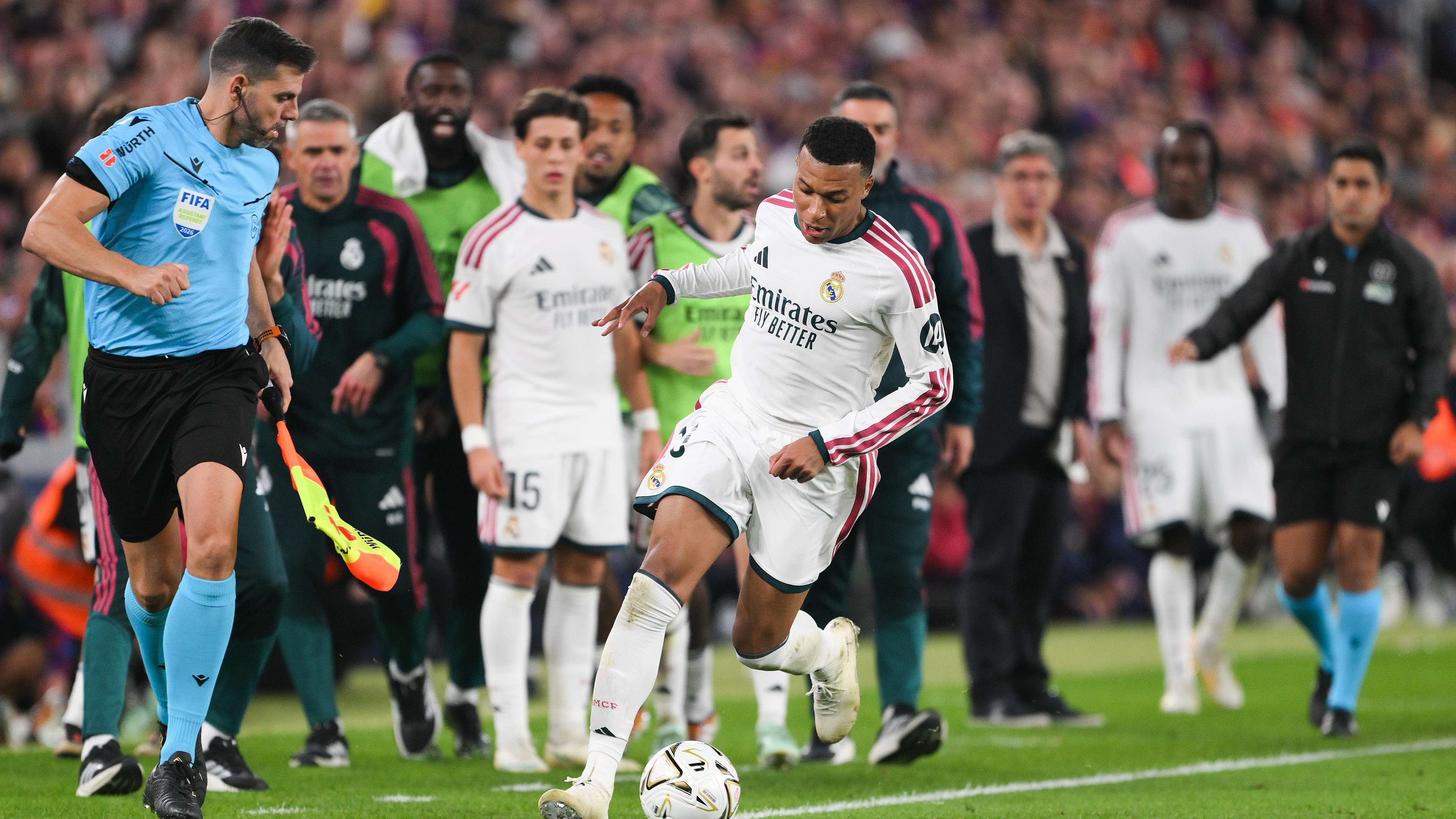
The fixture, scheduled for November 1 at Racing Santander’s El Sardinero stadium, was expected to be available to viewers in China. Migu’s reported decision marks a significant escalation: the controversy is no longer limited to social-media criticism or sponsorship concerns, but may also affect the international reach of a high-profile league match.
Why Migu’s decision matters
Migu is one of China’s prominent digital platforms for sports broadcasting and is reported to have around 400 million subscribers. Its coverage has included La Liga, giving the service an important role in connecting Spanish football with a large audience in the country. Removing a Real Madrid match from its schedule could therefore have consequences for viewers, the league and the club.
The immediate impact is straightforward: Chinese fans may be unable to watch Mbappé and his teammates through Migu during the fixture. The broader effect is harder to measure. A withdrawn broadcast can reduce the visibility of a match in a major international market, while also raising questions about media rights, advertising exposure and the commercial value of overseas audiences.
Spanish outlet Mundo Deportivo has reported that the decision could carry an economic cost for both Real Madrid and La Liga. Any financial impact would depend on the terms of broadcasting and sponsorship agreements, which have not been publicly detailed. Still, the episode highlights how a controversy involving one player can reach far beyond the pitch.
How the controversy began
The dispute followed the circulation of a clip from a recorded interview with Mbappé. In the video, he discussed a mocking image that placed his face over the likeness of a Chinese political figure. Mbappé described the figure as a Chinese dictator, but did not name Mao Zedong directly. The image was nevertheless associated online with the former leader, prompting anger among many Chinese social-media users.
Political and historical references can carry particular weight in China, where public discussion of major national figures is often treated with sensitivity. As the clip spread, criticism focused not only on the wording but also on the perceived disrespect attached to the image. The reaction illustrates how a remark made in one media setting can be interpreted differently across countries and cultural contexts.
Mbappé later apologised, saying he regretted hurting the feelings of people in China and elsewhere. Real Madrid also issued an apology to the Chinese public, while La Liga president Javier Tebas became involved in efforts to calm the situation. Despite those responses, the backlash has continued, showing that an apology does not necessarily bring an immediate end to a reputational crisis.
Commercial fallout and uncertainty
Reports say several Chinese companies have cut commercial ties with Mbappé, including Mengniu Dairy Group, Shanghai Milkground and Dongpeng Beverage. Those developments could affect his advertising income and make future partnerships in China more difficult. The full financial consequences remain unclear, and companies have not all provided detailed public explanations of their decisions.
For global athletes, commercial relationships are built on more than sporting performance. Brands weigh public image, audience trust and the risks associated with operating in different markets. A controversy that gains traction online can therefore influence sponsorship decisions even when it has no connection to a player’s conduct on the field.
Real Madrid also has a broader interest in the situation. The club’s international profile depends partly on strong relationships with supporters, broadcasters and commercial partners around the world. While one missed broadcast would not determine the club’s standing in China, a prolonged dispute could make it harder to maintain the visibility and goodwill that support its global business.
What this means for the match and La Liga
From a football perspective, Real Madrid’s trip to Santander remains a notable La Liga fixture. Racing will have the chance to test itself against one of Europe’s best-known clubs, while Madrid will be expected to manage the pressure of an away game and maintain its domestic form. However, for Chinese fans, the main story may now be whether they can access a legal broadcast of the match at all.
At the time of the reported schedule change, there was no confirmed indication that Migu would reverse its decision or that another Chinese broadcaster would step in. That leaves uncertainty for viewers and rights holders alike. If the match remains unavailable, the episode could prompt renewed discussion about how broadcasters respond when athletes become involved in politically sensitive disputes.
Prediction: the fallout may outlast one match
The most cautious prediction is that the controversy will not be resolved simply by the match passing. Mbappé’s apology and the statements from Real Madrid and La Liga may help limit further damage, but restoring commercial confidence can take longer than issuing a public response. Companies and media platforms will likely assess how audiences react before deciding whether to resume normal arrangements.
For now, the Migu decision is a reminder that modern football operates across borders, where players, clubs and leagues are exposed to different cultural expectations. A short interview clip can quickly become a global issue, affecting sponsorships, broadcasting and fan access. The Racing Santander–Real Madrid match is still a sporting contest, but its coverage in China has become part of a much larger debate about public image, cultural sensitivity and the business of international football.