

Italy’s World Cup Qualification Match Against Bosnia Holds Economic Significance
As Italy gears up for their crucial World Cup qualification match against Bosnia on Tuesday, March 31st, the stakes are not just about securing a spot in the prestigious tournament. The game holds significant economic implications for the Italian Football Federation (FIGC) and the country as a whole.
Economic Impact of the Match
While the primary focus is on earning a ticket to the World Cup, the financial aspects cannot be overlooked. Football is not just a sport, but a multi-billion dollar industry, and the financial health of the FIGC depends on the team’s success on the field.
According to reports from La Gazzetta dello Sport, the Bosnia-Italy match is estimated to be worth around 30 million euros for Italy. This figure takes into account various revenue streams such as ticket sales, broadcasting rights, sponsorship deals, and merchandise sales that are directly impacted by the team’s performance.
FIGC’s Financial Situation
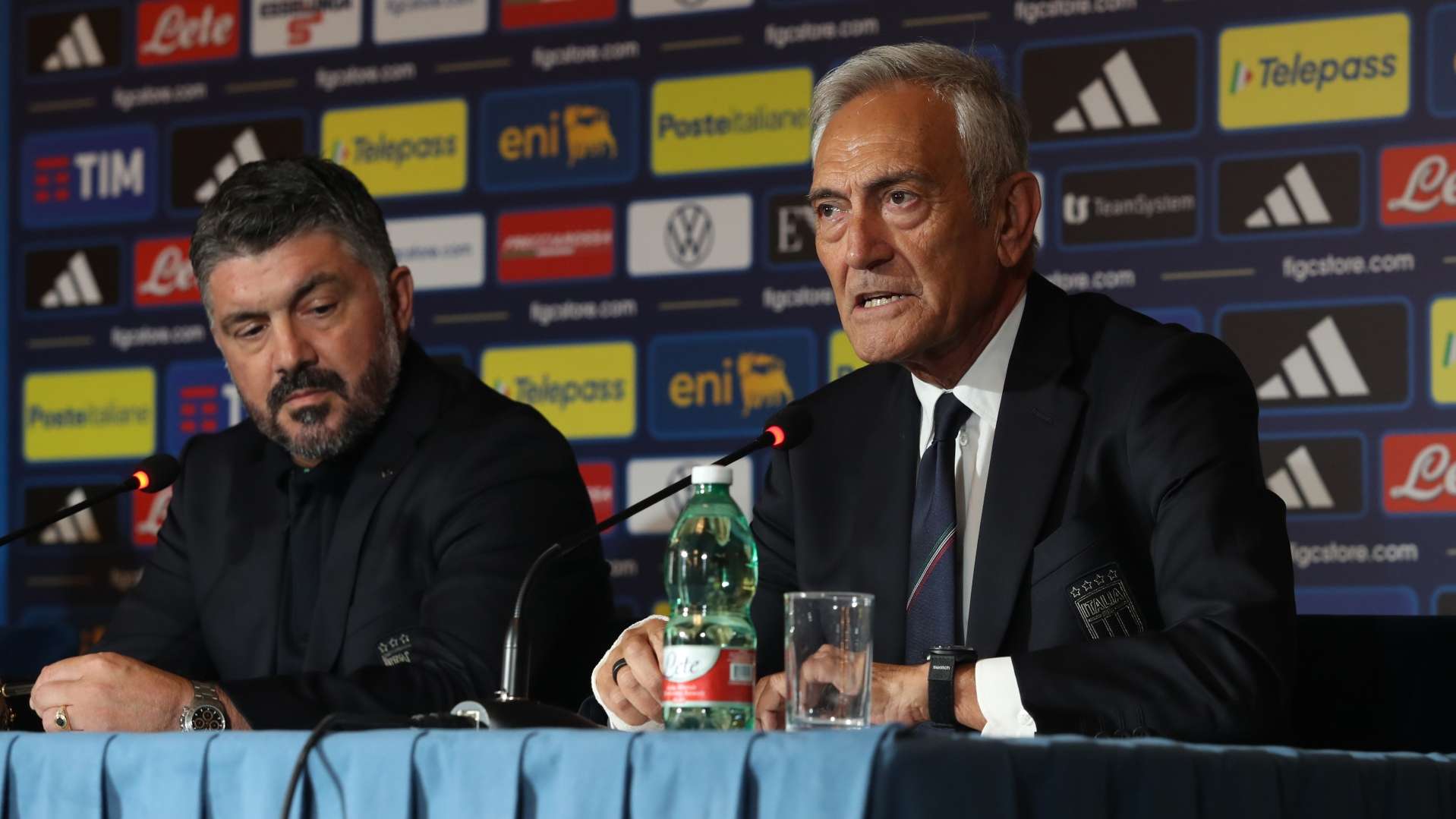
The FIGC recently closed its accounts in the red, highlighting the financial challenges faced by the federation. President Gravina has emphasized that the financial outlook for the federation hinges on the team’s qualification for the World Cup. Securing a spot in the tournament would not only boost the team’s morale but also provide a much-needed financial injection for the FIGC.
The success of the national team on the international stage has a direct correlation with the federation’s financial stability. Qualifying for the World Cup can attract lucrative sponsorship deals, increase TV revenues, and boost merchandise sales, all of which contribute to the overall economic health of the FIGC.
Beyond World Cup Qualification
While the immediate focus is on securing a victory against Bosnia to qualify for the World Cup, the long-term implications of the match are equally significant. A successful World Cup campaign can have a lasting impact on the popularity of the sport in Italy, inspiring a new generation of football fans and players.
The joy of seeing the Azzurri jersey at a World Cup after generations is a dream that many Italian fans hold dear. The emotional and cultural significance of the team’s success on the international stage cannot be understated, making the Bosnia-Italy match a pivotal moment for Italian football.
Looking Ahead
As Italy prepares to face Bosnia in a high-stakes World Cup qualification match, the economic implications of the game highlight the intersection of sports and finance. The outcome of the match will not only determine the team’s fate in the tournament but also shape the financial future of the FIGC.
With millions of euros riding on the outcome of the match, the pressure is on for the Azzurri to deliver a performance that not only secures their spot in the World Cup but also ensures the financial stability of Italian football for years to come.
The Importance of Transfer Market Activity
While the economic impact of the Bosnia-Italy World Cup qualification match is significant, another crucial aspect that plays a role in the financial health of football clubs and federations is transfer market activity. The transfer market is a pivotal time for clubs to strengthen their squads, increase their competitiveness, and potentially generate revenue through player sales.
For Italy, successful performances in international competitions like the World Cup can increase the market value of players, making them more attractive to clubs looking to bolster their teams. A standout performance by Italian players in the tournament can lead to increased interest from top clubs, potentially resulting in lucrative transfer deals that benefit both the players and their respective clubs.
Prediction and Analysis
As fans and analysts eagerly await the outcome of the Bosnia-Italy match, predictions and analysis play a crucial role in building excitement and anticipation for the game. Experts and commentators provide insights into team strategies, player form, and potential outcomes, adding to the narrative surrounding the match.
Furthermore, prediction and analysis are not just limited to the match itself but also extend to the potential economic impact of different scenarios. Analysts assess the financial implications of qualifying for the World Cup versus missing out on the tournament, offering valuable perspectives on what the future may hold for the FIGC based on various outcomes.
Global Reach and Fan Engagement
International competitions like the World Cup have a unique ability to transcend borders and attract a global audience. The economic significance of the Bosnia-Italy match extends beyond national borders, with fans from around the world tuning in to witness the drama unfold.
The global reach of the World Cup not only boosts TV viewership and merchandise sales but also opens up opportunities for international partnerships and collaborations. The success of the Italian national team can enhance the country’s reputation on the global stage, attracting foreign investment and fostering cultural exchanges through the universal language of football.
Sustainability and Long-Term Planning
While the immediate focus is on the financial implications of the Bosnia-Italy match, it is essential for the FIGC to prioritize sustainability and long-term planning to ensure the continued success of Italian football. Developing grassroots programs, investing in youth talent, and promoting inclusivity are crucial aspects of building a strong foundation for the future.
By balancing short-term financial gains with long-term sustainability efforts, the FIGC can create a robust ecosystem that not only thrives in the present but also sets the stage for continued success in the years to come. The Bosnia-Italy match serves as a reminder of the interconnected nature of sports, economics, and strategic planning in shaping the future of football in Italy.