
The Evolution of Chelsea Football Club: A Tale of Three Eras
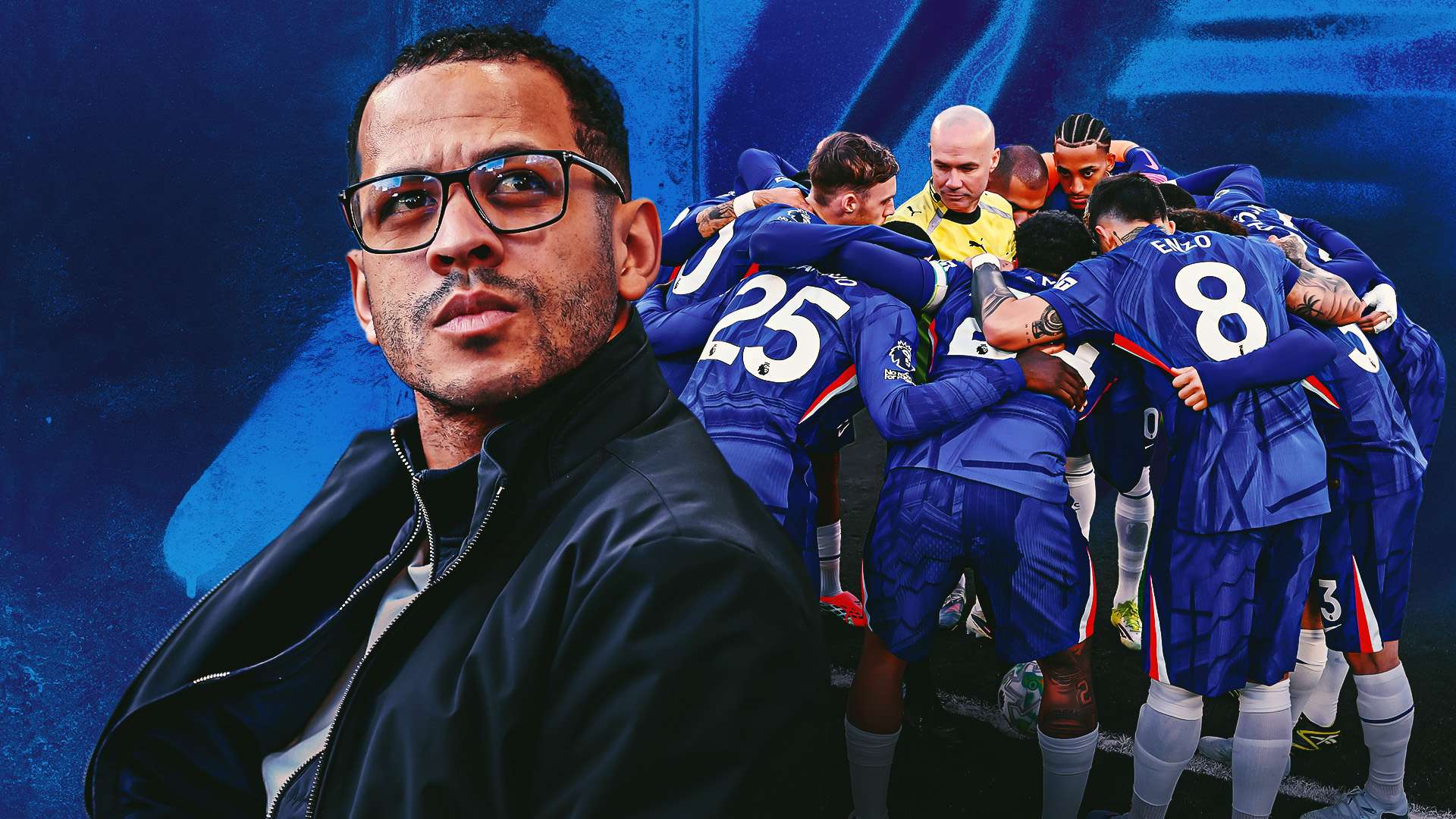
Chelsea Football Club, one of London’s iconic football teams, has a rich history that can be divided into three distinct eras. From its humble beginnings before Roman Abramovich’s takeover in 2003 to its transformation under the Russian oligarch’s ownership, and now, under the BlueCo-Clearlake consortium’s control in 2022, Chelsea’s journey has been nothing short of remarkable.
The Early Years: Pre-Abramovich Era
Founded in 1905 to occupy Stamford Bridge after its renovation into a football stadium, the original Chelsea quickly established themselves as one of London’s newer clubs. Despite only winning one league title in the 20th century, Chelsea built a loyal fan base and a strong identity. The older generation of supporters still reminisce about the club’s early days and hold a special place in their hearts for the Blues.
The Abramovich Era: A Reign of Dominance
When Roman Abramovich took over Chelsea in 2003, everything changed. Under the Russian billionaire’s ownership, the club experienced unprecedented success, claiming every honor in the club game. Winning became the primary focus, and Chelsea emerged as a powerhouse in English and European football. The Abramovich era was characterized by big-money transfers, star-studded lineups, and a relentless pursuit of trophies.
The Post-Abramovich Era: A New Direction
In 2022, after nearly two decades of Abramovich’s rule, Chelsea transitioned into a new phase as ownership passed to the BlueCo-Clearlake consortium. This marked the beginning of a new chapter for the club, signaling a shift in priorities and strategies. However, the transition has not been without challenges.
Today, Chelsea finds itself at a crossroads, navigating the complexities of modern football. No longer solely focused on winning at all costs, the club is evolving into a more sustainable and community-oriented organization. However, this shift has also raised questions about the club’s identity and future direction.
The Changing Face of Chelsea: From Champions to Controversy
While Chelsea’s success on the pitch has been undeniable, off-field controversies have marred its reputation in recent years. The club’s image as a serious sporting institution has been called into question following a series of public relations and on-pitch setbacks.
Despite these challenges, Chelsea remains a formidable force in English football. With a rich history, passionate fan base, and a commitment to excellence, the club continues to inspire and captivate football enthusiasts around the world.
In conclusion, Chelsea Football Club’s journey through three distinct eras reflects the ever-changing landscape of modern football. As the club navigates new challenges and opportunities, one thing remains certain: the spirit of Chelsea will endure, shaping the future of the beautiful game.
Chelsea Football Club Under BlueCo-Clearlake Consortium
Since the BlueCo-Clearlake consortium took control of Chelsea Football Club in 2022, there have been significant changes in the club’s approach and operations. The new ownership has emphasized sustainability, community engagement, and long-term planning, signaling a departure from the high-spending, short-term success-driven model of the Abramovich era.
The BlueCo-Clearlake consortium has prioritized building a strong foundation for the club’s future by investing in youth development, infrastructure, and sustainable practices. This shift towards a more sustainable and community-oriented approach has been well-received by fans, who appreciate the club’s commitment to responsible management and ethical practices.
Under the new ownership, Chelsea has also focused on improving its relationship with the local community through various initiatives and partnerships. From supporting local charities to engaging with fans through community events, the club has made a concerted effort to strengthen its ties with the people of London and beyond.
The Future of Chelsea Football Club
Looking ahead, Chelsea Football Club faces a number of challenges and opportunities as it strives to maintain its position as a top footballing institution. With the changing landscape of modern football, including financial regulations, player development, and fan engagement, Chelsea must continue to adapt and evolve to stay competitive.
One of the key areas of focus for Chelsea’s future success will be youth development. By nurturing young talent through the academy and giving them opportunities to shine in the first team, Chelsea can build a sustainable and successful long-term strategy. Investing in the future stars of the club will not only benefit Chelsea on the pitch but also help maintain a strong connection with the fan base.
Another important aspect for Chelsea’s future success is maintaining a balance between on-field performance and off-field reputation. The club must continue to uphold high standards of integrity, ethics, and professionalism to ensure its long-term success and sustainability. By building a positive image both on and off the pitch, Chelsea can attract top talent, sponsors, and fans, securing its position as a leading football club.
Conclusion
In conclusion, the evolution of Chelsea Football Club through three distinct eras highlights the club’s resilience, adaptability, and commitment to excellence. From its early days to the Abramovich era and now under the BlueCo-Clearlake consortium, Chelsea has demonstrated a willingness to change, grow, and innovate in response to the ever-evolving landscape of modern football.
As Chelsea navigates the challenges and opportunities of the future, one thing remains clear: the club’s rich history, passionate fan base, and dedication to success will continue to shape its identity and influence the world of football for years to come.
By embracing sustainability, community engagement, and ethical practices, Chelsea Football Club is poised to build on its legacy and create a bright future for itself and its supporters.