
Chelsea and RC Strasbourg Fans Unite in Protest Against Ownership Group
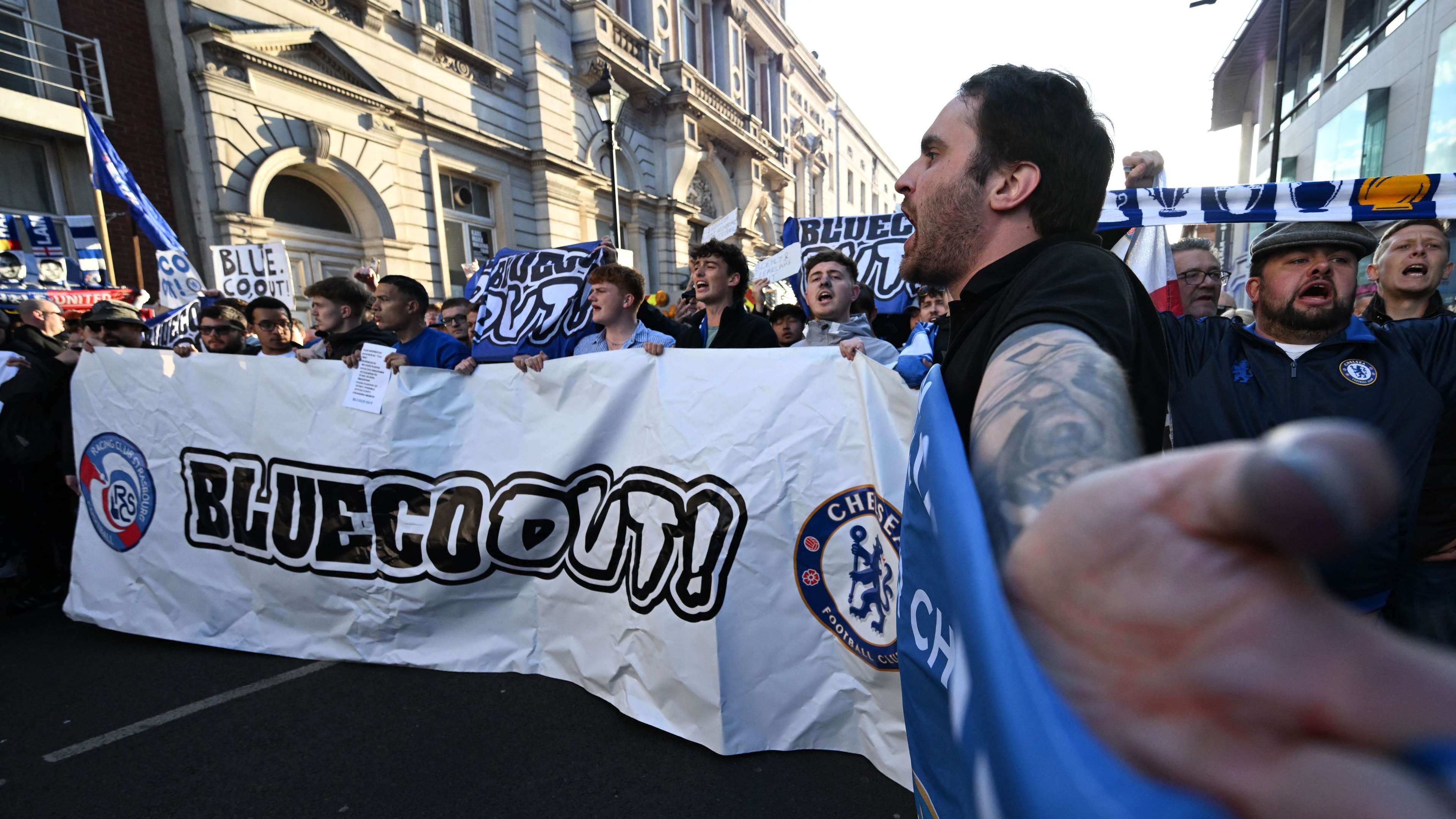
Chelsea supporters, alongside fans from French sister club RC Strasbourg, made a powerful statement against the BlueCo ownership group in a massive protest before the Premier League clash with Manchester United on Saturday. This joint demonstration marked a significant escalation in fan unrest as concerns over the multi-club ownership model continue to grow on both sides of the English Channel.
Unity in Protest
The sight of Chelsea fans marching alongside their counterparts from RC Strasbourg sent a clear message to the football world. Supporters from both clubs waved banners and chanted slogans, demanding change within the ownership structure that has come under intense scrutiny in recent months.
The protest highlighted the growing discontent among fans who believe that the current ownership model prioritizes profits over the well-being and success of the clubs. The partnership between Chelsea and RC Strasbourg has drawn criticism for its perceived lack of transparency and accountability, leading to calls for greater fan involvement in decision-making processes.
Pushing for Change
As fans continue to voice their frustrations, the pressure on the BlueCo ownership group is mounting. Calls for a more sustainable and fan-centric approach to club management have been gaining momentum, with supporters demanding greater transparency and involvement in key decisions that impact the future of their clubs.
The protest before the match against Manchester United was a tangible display of the collective power of fans united in their pursuit of change. The message was clear – supporters will not stand idly by while decisions that affect the heart and soul of their clubs are made without their input.
Impact on Football
The demonstration by Chelsea and RC Strasbourg fans is just the latest example of growing unrest within the football community over the ownership of clubs. With more and more fans speaking out against the commercialization of the sport and the lack of accountability from owners, the pressure is mounting on clubs to listen to the voices of those who truly care about the game.
As the debate over the multi-club ownership model rages on, it is clear that fans will play a crucial role in shaping the future of football. Their passion, dedication, and unwavering support make them a powerful force for change, pushing for a more sustainable and fan-friendly approach to club management.
Looking Ahead
As Chelsea and RC Strasbourg fans continue to advocate for change within their respective clubs, the impact of their collective action cannot be underestimated. The protest before the match against Manchester United was a powerful reminder of the importance of fan voices in shaping the future of football.
With fans united in their call for greater transparency, accountability, and fan involvement in club decision-making, the pressure on ownership groups to listen and respond to these demands will only continue to grow. The protest was a bold statement of solidarity and determination, signaling a new era of fan activism in football.
The Power of Fan Activism
The joint protest by Chelsea and RC Strasbourg fans serves as a prime example of the increasing influence of fan activism in modern football. Supporters are no longer content to simply watch from the sidelines; they are actively engaging in conversations about club ownership, financial sustainability, and the values that should underpin the sport they love.
By coming together in a united front, fans are amplifying their voices and sending a strong message to club owners and governing bodies that their opinions matter. The solidarity displayed in protests like the one before the Chelsea-Manchester United match showcases the passion and dedication fans have for their clubs, transcending borders and languages to stand together for a common cause.
Transparency and Accountability
One of the key demands of the protesting fans is greater transparency and accountability from ownership groups. The multi-club ownership model has raised concerns about conflicts of interest, lack of oversight, and the prioritization of financial gains over sporting success. Fans are calling for clear communication, open dialogue, and a seat at the table when decisions that impact the future of their clubs are being made.
Transparency in club ownership and decision-making processes is essential for building trust between fans and owners. By pushing for more openness and accountability, supporters hope to ensure that the values and traditions of their clubs are upheld, and that the focus remains on the game itself rather than profit margins.
The Future of Football Ownership
The protests by Chelsea and RC Strasbourg fans are part of a larger conversation about the future of football ownership. As the sport continues to evolve and face new challenges, fans are asserting their role as stakeholders who deserve to have a say in how their clubs are run.
While the debate over the multi-club ownership model is ongoing, one thing is clear – fans are a vital part of the football ecosystem. Their passion, loyalty, and commitment to their clubs make them a driving force for positive change. By standing together, supporters have the potential to shape a future where football is truly by the fans, for the fans.
Conclusion
The protest by Chelsea and RC Strasbourg fans represents a turning point in fan activism within the football community. By joining forces and speaking out against ownership practices they believe are detrimental to the values of the sport, supporters are demonstrating their commitment to preserving the integrity and soul of their clubs.
As fans around the world continue to advocate for greater transparency, accountability, and fan involvement in club decision-making, the landscape of football ownership is likely to undergo significant changes. The unity and determination shown by Chelsea and RC Strasbourg fans serve as a powerful reminder of the impact fans can have when they come together to demand a more sustainable and fan-friendly approach to football management.