
France Manager Didier Deschamps Criticizes FIFA over Mandatory Cooling Breaks
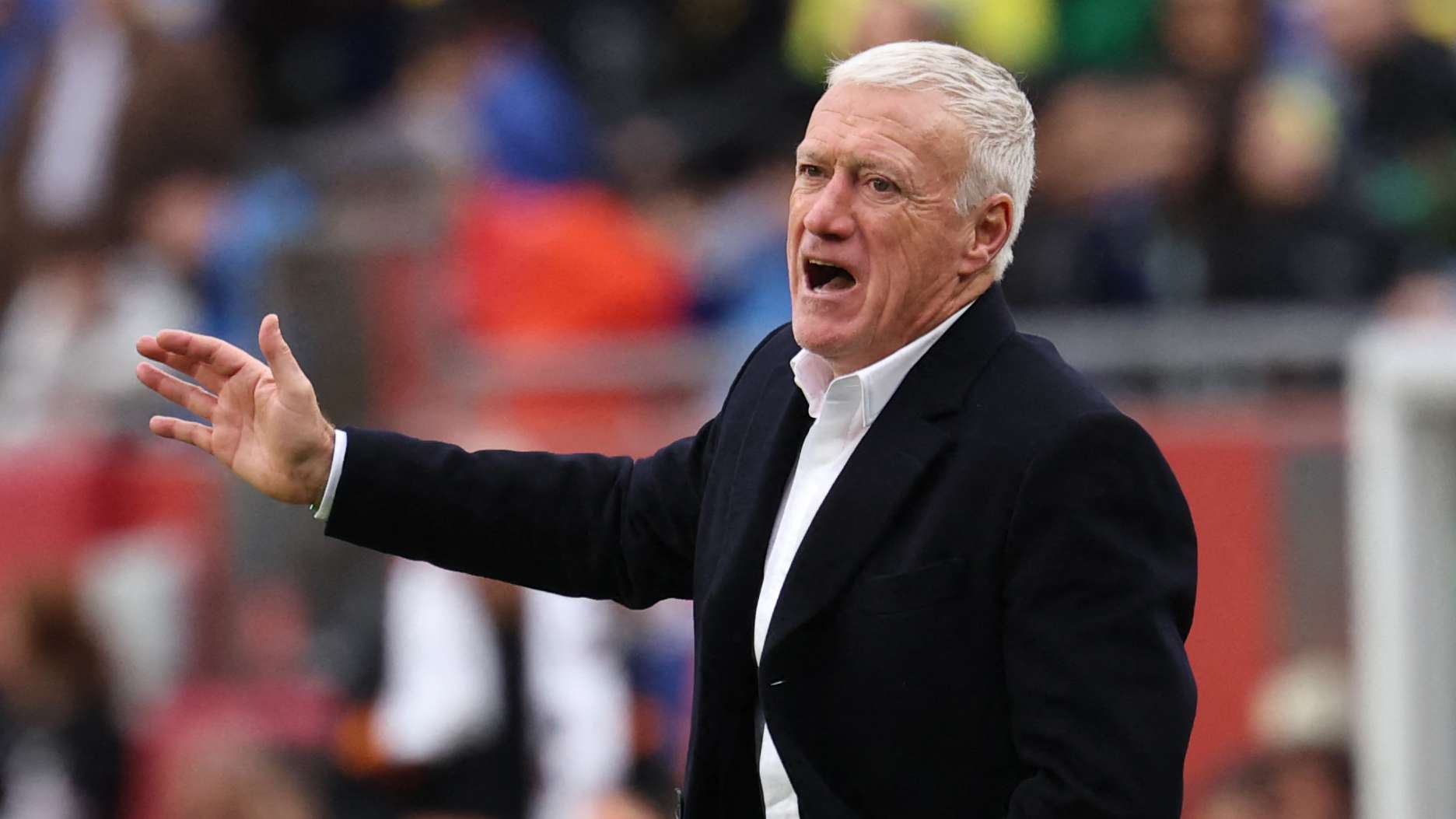
Following France’s hard-fought victory over Brazil in the United States, manager Didier Deschamps has raised concerns about FIFA’s implementation of mandatory cooling breaks during matches. Despite the positive outcome for his team, Deschamps expressed frustration over the interruptions to the game’s rhythm and flow caused by the breaks.
Deschamps’ Discontent
Deschamps, a World Cup-winning coach, was vocal in his criticism of the mandatory cooling breaks that were enforced during the match against Brazil. The breaks, which are intended to allow players to rehydrate and cool down in high-temperature conditions, disrupted the flow of the game and affected the players’ performance.
Deschamps emphasized the importance of maintaining the pace and intensity of the match, particularly in high-stakes games against top-tier opponents like Brazil. He argued that the frequent stoppages for cooling breaks negatively impacted the players’ focus and concentration, potentially altering the outcome of the game.
Impact on Players and Tactics
The mandatory cooling breaks not only disrupted the players’ physical and mental rhythm but also had implications for tactical planning and strategy on the field. Deschamps highlighted how the breaks altered the momentum of the game, making it challenging for teams to maintain their momentum and capitalize on strategic opportunities.
Furthermore, Deschamps pointed out that the breaks gave players additional time to rest and receive instructions from coaches, potentially shifting the balance of power in the match. This raised concerns about fairness and the integrity of the game, as teams with superior conditioning or coaching staff could gain an advantage through the breaks.
FIFA’s Response
Deschamps’ criticism of FIFA’s mandatory cooling breaks has prompted discussions within the football governing body about the necessity and effectiveness of such measures. While FIFA introduced the breaks to protect players’ health and safety in extreme weather conditions, the unintended consequences on the game’s dynamics have raised valid concerns.
However, FIFA has yet to announce any changes to the policy regarding mandatory cooling breaks. The governing body is likely to consider feedback from coaches, players, and officials to evaluate the impact of the breaks on the overall quality of matches and player performance.
Looking Ahead
As France continues its preparations for upcoming matches and tournaments, Deschamps’ critique of FIFA’s cooling breaks serves as a reminder of the importance of balancing player welfare with the integrity of the game. Coaches, players, and fans will be watching closely to see how FIFA addresses these concerns and if any adjustments are made to improve the match experience for all stakeholders.
In conclusion, Deschamps’ warning to FIFA highlights the ongoing debate surrounding player safety, game tactics, and the overall quality of football in the face of external interventions. The discussion sparked by his comments underscores the need for a thoughtful and balanced approach to safeguarding the sport’s core principles while adapting to evolving challenges.
Evolution of Player Safety Measures in Football
Player safety has become an increasingly important issue in football, with governing bodies like FIFA implementing various measures to protect the well-being of athletes. In recent years, the focus on hydration, heat stress, and injury prevention has led to the introduction of mandatory cooling breaks in matches played in extreme weather conditions.
While the intention behind these breaks is noble, their implementation has sparked debates among coaches, players, and fans regarding their impact on the game. Critics argue that the breaks disrupt the natural flow of play, hindering teams’ ability to maintain momentum and execute tactical strategies effectively. On the other hand, proponents advocate for the breaks as essential for preventing heat-related illnesses and maintaining player performance at optimal levels.
The Balancing Act of Player Welfare and Game Integrity
Didier Deschamps’ criticism of FIFA’s mandatory cooling breaks sheds light on the delicate balance between safeguarding player welfare and preserving the integrity of the game. While no one disputes the importance of ensuring the health and safety of athletes, finding the right balance between player protection and maintaining the essence of football remains a challenge.
Coaches like Deschamps are tasked with not only guiding their teams to victory but also navigating external factors that can influence the outcome of matches. The introduction of mandatory cooling breaks adds another layer of complexity to their strategic planning, forcing them to adapt to interruptions that may disrupt their game plan.
Strategic Implications of Cooling Breaks
From a tactical perspective, the mandatory cooling breaks can significantly impact the ebb and flow of a match. Teams that rely on high-intensity pressing or fast-paced transitions may find it challenging to maintain their rhythm after a break. Coaches must find ways to keep their players focused and motivated during these interruptions to prevent a loss of momentum.
Furthermore, the breaks offer an opportunity for coaches to provide additional instructions to their players, potentially altering the course of the game. This raises concerns about the fairness of allowing teams to regroup and adjust their tactics mid-match, potentially giving certain sides an unfair advantage.
Future Considerations for FIFA
As FIFA evaluates the impact of mandatory cooling breaks on the overall quality of matches, it faces the challenge of balancing player welfare with the integrity of the game. The governing body must carefully weigh the benefits of ensuring players’ health and safety against the potential drawbacks of disrupting the natural flow of play.
Moving forward, FIFA may consider implementing alternative solutions to address heat-related issues without compromising the competitive nature of football matches. Whether through improved hydration protocols, advanced cooling technologies, or revised scheduling practices, finding a middle ground that satisfies all stakeholders will be essential for the future of the sport.
Conclusion
Didier Deschamps’ critique of FIFA’s mandatory cooling breaks highlights the ongoing dialogue surrounding player safety, game tactics, and the essence of football. As the sport continues to evolve, finding a harmonious balance between protecting athletes and upholding the integrity of the game will be crucial for its sustainability and growth.
Ultimately, the debate sparked by Deschamps’ comments serves as a reminder of the complex challenges faced by football’s governing bodies in adapting to changing circumstances while preserving the core values of the sport. By engaging in open discussions and considering diverse perspectives, stakeholders can work together to shape a future for football that prioritizes both player welfare and the spirit of competition.