
Roberto De Zerbi’s Turbulent Marseille Spell Comes to an Abrupt End
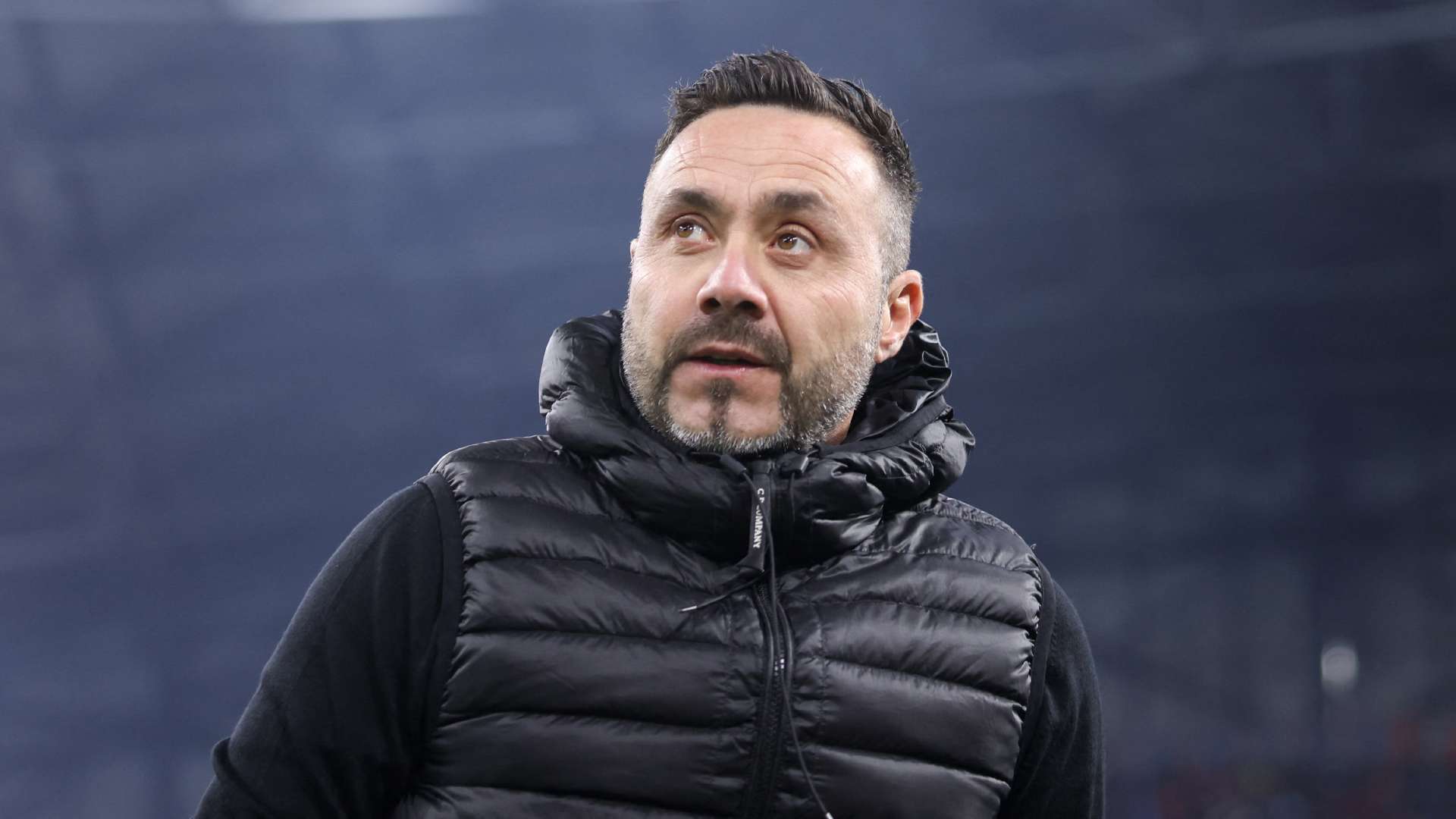
Roberto De Zerbi’s time at Marseille has been nothing short of tumultuous, culminating in a heated confrontation with defender Amir Murillo that sent shockwaves through the football world. The incident, captured on video and shared widely online, highlighted the growing internal tensions within the club and ultimately led to De Zerbi’s departure.
A Clash of Personalities
The dressing-room flashpoint between De Zerbi and Murillo was a turning point in the relationship between the manager and his players. During a heated video review session, Murillo was reportedly told that he had no future at the club, sparking a heated exchange that quickly escalated. The tense atmosphere in the dressing room mirrored the growing discontent within the team, with players feeling increasingly alienated by De Zerbi’s management style.
The incident was just one in a series of conflicts that marred De Zerbi’s time at Marseille. The Italian manager, who arrived with high hopes and expectations, struggled to connect with his players and implement his tactical vision on the pitch. As results began to falter, tensions behind the scenes continued to rise, leading to a toxic atmosphere within the club.
The Fallout
Following the incident with Murillo, it became clear that De Zerbi’s position at Marseille was untenable. The video of the confrontation quickly went viral, attracting widespread attention and scrutiny from fans and media alike. Pressure mounted on the club to take action, and De Zerbi’s departure was announced shortly after, bringing an abrupt end to his tenure.
The decision to part ways with De Zerbi was met with mixed reactions from fans and pundits. While some saw it as a necessary step to restore harmony within the team, others questioned the handling of the situation and the impact it would have on the players and their performance on the pitch.
The Road Ahead
As Marseille begins the search for a new manager to lead the team, the focus now shifts to rebuilding and regaining stability. The club will need to find a candidate who can not only deliver results on the pitch but also foster a positive and cohesive environment off it. The players will be looking for a fresh start under new leadership, hoping to put the tumultuous De Zerbi era behind them.
While the departure of De Zerbi marks the end of a challenging chapter for Marseille, it also opens the door to new opportunities and possibilities. The club will be hoping to turn the page and start afresh, with a renewed sense of optimism and determination to succeed in the upcoming season.
Overall, De Zerbi’s turbulent spell at Marseille serves as a cautionary tale of the importance of effective communication, strong leadership, and mutual respect within a football club. As the team looks ahead to the future, they will be aiming to learn from past mistakes and move forward with a renewed sense of unity and purpose.
The Impact of De Zerbi’s Departure on Marseille’s Performance
With Roberto De Zerbi no longer at the helm, Marseille faces the challenge of regaining stability and improving their on-field performance. The abrupt departure of a manager can often disrupt a team’s rhythm and dynamics, requiring a period of adjustment for the players under new leadership. The incoming manager will need to quickly establish rapport with the squad, implement their own tactical philosophy, and address any lingering issues from De Zerbi’s tenure.
One key aspect to consider is how the players will react to the change in management. Some may view it as an opportunity for a fresh start and a chance to prove themselves under new guidance, while others may struggle to adapt to a new playing style or coaching approach. The transitional period following a manager’s departure can either galvanize a team or lead to further instability, depending on how well the transition is managed.
The Importance of Predicting Managerial Success in Football
In the world of football, predicting the success of a manager at a new club is a challenging task. Factors such as tactical acumen, man-management skills, and the ability to build a cohesive team all play a role in determining a manager’s impact. Clubs often rely on a combination of past performance, interviews, and recommendations to assess a manager’s suitability for the job.
However, even with thorough vetting and due diligence, there are no guarantees that a manager will succeed in a new environment. The chemistry between a manager and their players, the club’s overall philosophy, and external factors such as media scrutiny and fan pressure all contribute to the complex equation of managerial success in football.
The Future of Marseille Under New Leadership
As Marseille embarks on a new chapter under a yet-to-be-named manager, the club has the opportunity to redefine its identity and goals. The appointment of a new manager will be a critical decision that could shape the team’s trajectory for the upcoming season and beyond. Fans will be looking for a manager who can instill a winning mentality, build a strong team culture, and deliver results on the pitch.
The turbulent spell under De Zerbi has undoubtedly left its mark on Marseille, but it also presents the club with valuable lessons and a chance to reset. The incoming manager will have the task of uniting a fractured squad, restoring confidence, and reigniting the passion and pride that Marseille is known for. The road ahead may be challenging, but with the right leadership and determination, Marseille has the potential to rise above its recent struggles and compete at the highest level once again.
Overall, the departure of Roberto De Zerbi marks the end of a tumultuous chapter in Marseille’s history, but it also signifies a new beginning filled with possibilities and opportunities for growth. As the club navigates the uncertainties of managerial changes and strives for success on the pitch, the lessons learned from past experiences will be crucial in shaping Marseille’s future trajectory in the competitive landscape of football.