
Former Barcelona President Bartomeu Sets the Record Straight on Messi Transfer Influence
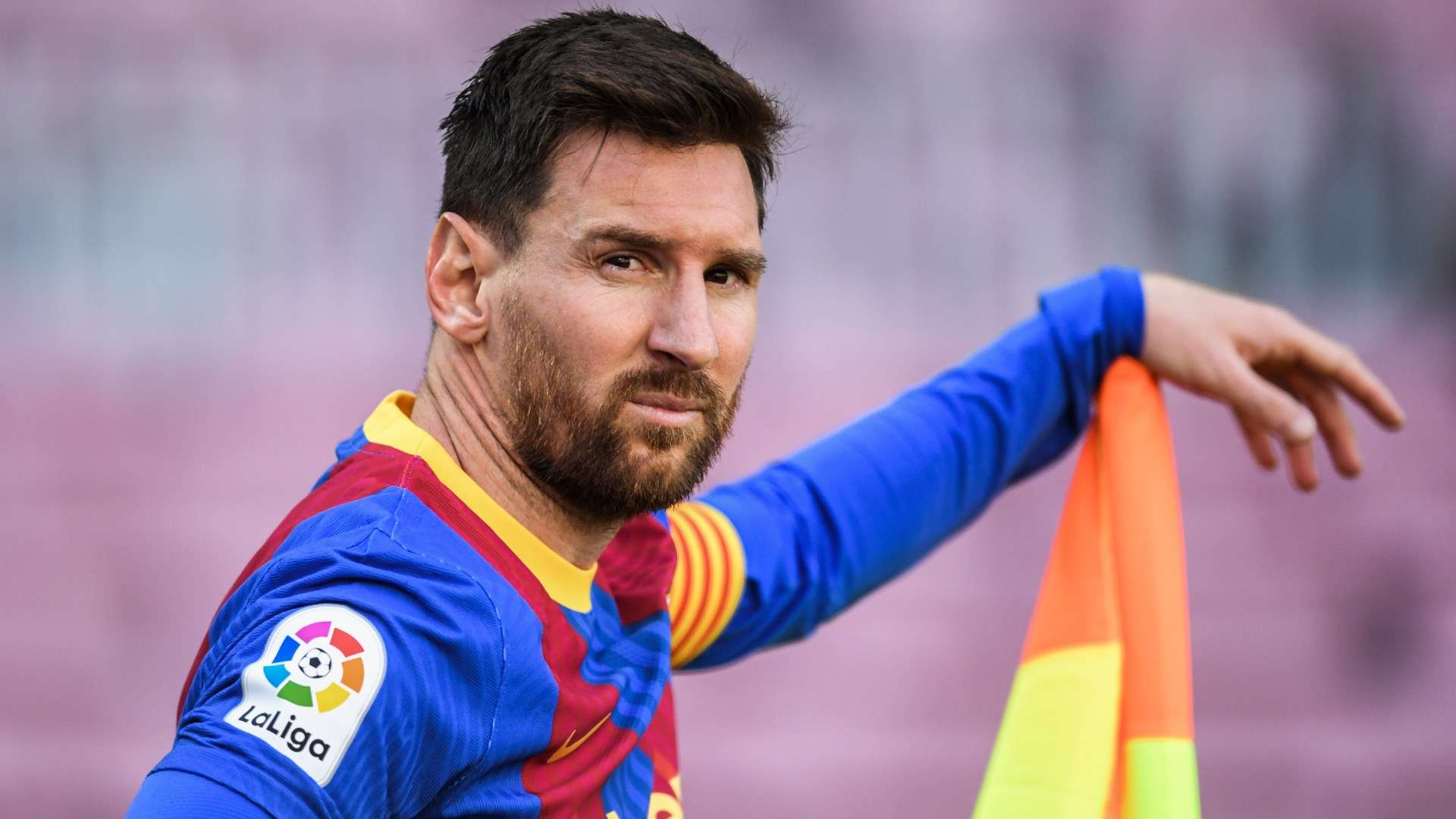
After months of speculation and rumors surrounding Lionel Messi’s alleged influence over club transfers at Barcelona, former president Josep Maria Bartomeu has finally broken his silence. In a recent interview, Bartomeu addressed the long-standing claims and shed light on the financial challenges that plagued the club during his tenure.
Debunking Myths
One of the most persistent rumors during Messi’s final years at Camp Nou was his supposed control over player transfers. Many speculated that the Argentine superstar had the final say in which players the club signed or sold. However, Bartomeu vehemently denied these allegations, stating that Messi never interfered in the club’s transfer decisions.
According to Bartomeu, while Messi was a revered figure at Barcelona, he did not have the authority to dictate transfer policies. The former president emphasized that the club’s transfer activities were always conducted by the board and coaching staff, with Messi’s input limited to on-field matters.
Financial Turmoil
In addition to addressing the rumors surrounding Messi’s influence, Bartomeu also opened up about the financial challenges that plagued Barcelona during his final years in office. The club faced mounting debt, exacerbated by the impacts of the COVID-19 pandemic on the football industry.
Bartomeu explained that the financial situation at Barcelona was dire, with the club struggling to balance its books and meet its financial obligations. The former president highlighted the difficult decisions that had to be made to ensure the club’s survival, including player wage cuts and budget restructuring.
Looking Ahead
Despite the challenges faced during his tenure, Bartomeu remains optimistic about Barcelona’s future. He expressed confidence in the current leadership and coaching staff to steer the club in the right direction and overcome the financial hurdles that lie ahead.
With a renewed focus on financial stability and long-term planning, Barcelona is determined to regain its status as one of the top clubs in European football. Bartomeu’s insights into the club’s challenges and his debunking of myths surrounding Messi’s influence shed light on the complexities of managing a prestigious football institution.
Conclusion
As the dust settles on Bartomeu’s revelations, the football world gains a deeper understanding of the inner workings of Barcelona during a tumultuous period in its history. While the rumors surrounding Messi’s influence may have captured headlines, Bartomeu’s perspective offers valuable insights into the challenges faced by one of the world’s most iconic football clubs.
With a new chapter unfolding at Camp Nou, Barcelona looks towards a brighter future, guided by the lessons learned from its past struggles. The legacy of Messi and the leadership of former president Bartomeu will forever be intertwined in the rich tapestry of Barcelona’s storied history.
Impact of Messi’s Departure on Barcelona’s Performance
Following Lionel Messi’s departure from Barcelona after over two decades at the club, many fans and analysts speculated on how his absence would affect the team’s performance on the field. With Messi being a pivotal figure in Barcelona’s success for so many years, his departure undoubtedly left a significant void in the squad.
One of the key areas where Barcelona felt Messi’s absence was in terms of creativity and goal-scoring prowess. Messi’s ability to create opportunities out of seemingly impossible situations and his knack for scoring crucial goals were unmatched. Without his presence on the pitch, Barcelona struggled to find a player who could replicate his impact consistently.
Moreover, Messi’s departure also had implications for the team’s overall dynamics and leadership. As a long-standing captain and one of the most experienced players in the squad, Messi played a crucial role in guiding and motivating his teammates both on and off the field. His absence meant that younger players had to step up and fill the leadership void left by the Argentine superstar.
Transition Period and Youth Development
In the aftermath of Messi’s departure, Barcelona entered a period of transition as they sought to rebuild the team and adapt to a new style of play. The club’s focus shifted towards youth development, with an emphasis on nurturing talent from within the academy and integrating young players into the first team.
Players such as Ansu Fati, Pedri, and Ronald Araujo emerged as key figures in Barcelona’s new-look squad, showcasing the club’s commitment to promoting young talent. The emphasis on youth development signaled a shift in Barcelona’s approach to team-building, moving away from big-money signings towards a more sustainable and long-term strategy.
While the transition period was challenging, Barcelona’s faith in their youth players paid off as they began to see promising results on the pitch. The blend of experienced veterans and talented youngsters provided a glimpse of the club’s potential for the future, offering hope to fans and stakeholders alike.
Future Prospects and Predictions
As Barcelona continues to navigate through a period of renewal and transformation, the club’s future prospects remain a topic of speculation and debate among football enthusiasts. With a new generation of players stepping up to the plate and a renewed focus on financial stability, Barcelona aims to reclaim its status as a dominant force in European football.
While the road ahead may be challenging, Barcelona’s rich history and tradition serve as a strong foundation for the club’s resurgence. The lessons learned from past struggles, coupled with a renewed sense of purpose and determination, bode well for Barcelona’s future prospects.
As fans eagerly await the unfolding of the next chapter in Barcelona’s storied history, the club’s ability to adapt, innovate, and overcome challenges will be key in shaping its trajectory. With a blend of experience, youth, and resilience, Barcelona is poised to write a new chapter of success and glory in the annals of football history.
By delving into the impact of Messi’s departure, the challenges of the transition period, and the future prospects for Barcelona, a more comprehensive understanding of the club’s trajectory and evolution emerges. As Barcelona continues its journey towards greatness, the legacy of Messi and the resilience of the club in the face of adversity will serve as guiding lights in the pursuit of excellence.