
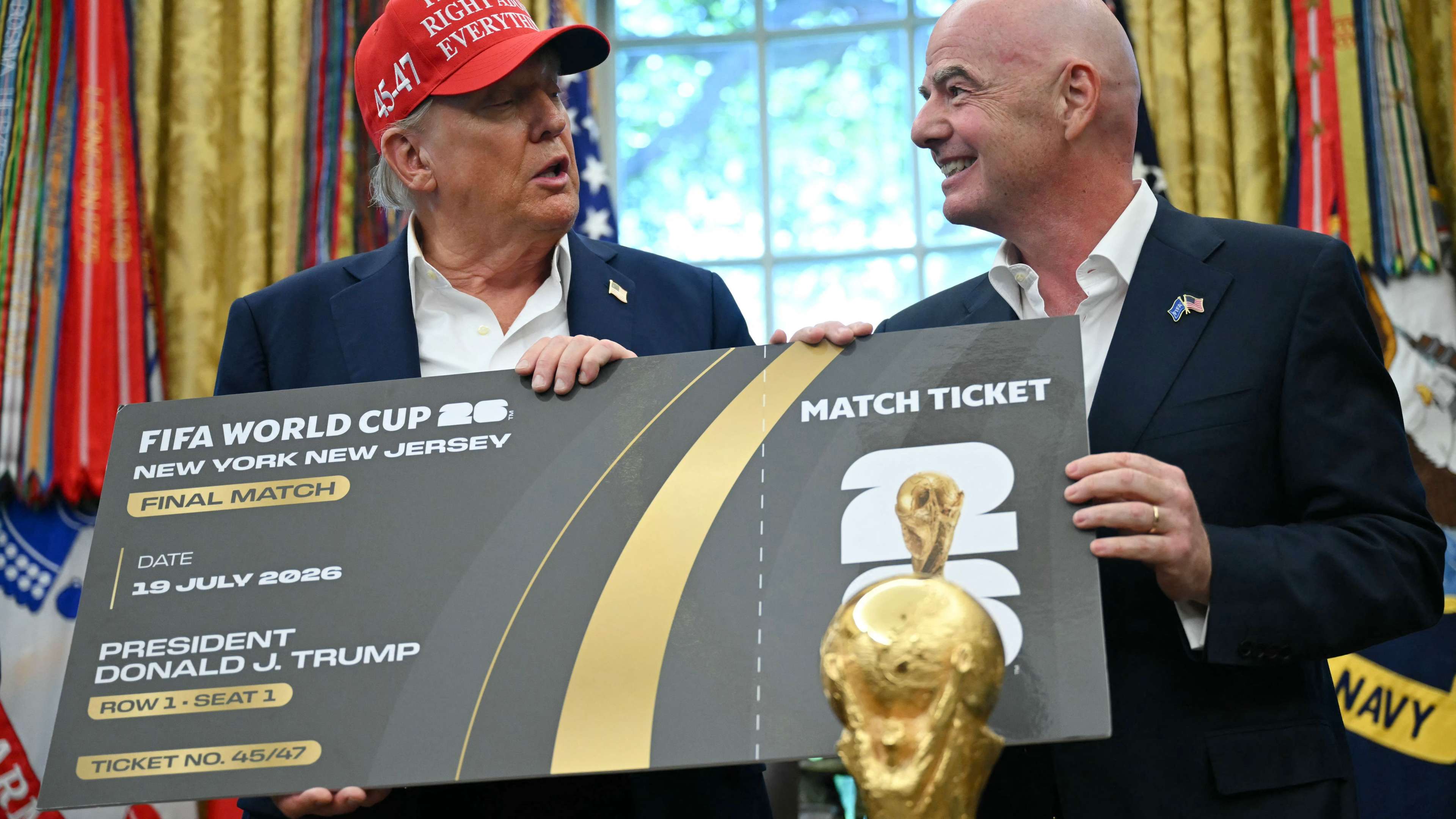

Donald Trump Voices Concerns Over High Prices for World Cup Tickets
In a recent interview with the New York Post, President Donald Trump expressed his reluctance to pay the reportedly high prices for World Cup tickets. The U.S. leader admitted that he was surprised to learn that tickets were being sold for more than $1,000 for the US Men’s National Team’s opening fixture against Paraguay. Trump noted that he personally “wouldn’t pay” such exorbitant fees to attend a World Cup game.
Surprise and Disbelief
Trump’s comments reflect the shock and disbelief felt by many fans around the world upon discovering the exorbitant prices of tickets for major sporting events like the World Cup. The President’s candid admission highlights the financial barriers that can prevent even high-profile figures from attending such prestigious tournaments.
While Trump’s statements may have been unexpected, they shed light on the ongoing debate surrounding ticket pricing for major sporting events. The World Cup, in particular, has faced criticism in recent years for the high costs associated with attending matches, leaving many fans priced out of the experience.
Financial Accessibility of Sports Events
The issue of ticket pricing extends beyond the World Cup and into other sporting events, raising questions about the financial accessibility of sports for fans of all backgrounds. As ticket prices continue to rise, many supporters find themselves unable to afford the experience of seeing their favorite teams compete on a global stage.
In light of Trump’s comments, the conversation around ticket pricing for sporting events like the World Cup is likely to intensify, with fans, officials, and organizers alike weighing in on the need for greater affordability and inclusivity in the world of sports.
Impact on Fan Engagement
The high prices of World Cup tickets not only affect individual fans but also have broader implications for fan engagement and participation in the sport. As ticket prices soar, the risk of alienating fans who are unable to afford attendance grows, potentially leading to reduced interest and support for major sporting events.
By addressing the issue of ticket pricing head-on, Trump has sparked a conversation about the importance of ensuring that sports events remain accessible to all fans, regardless of their financial means. The President’s remarks serve as a reminder of the challenges faced by organizers in balancing the financial aspects of hosting major tournaments with the need to maintain a strong and engaged fan base.
Looking Ahead
As the debate over ticket pricing for the World Cup and other major sporting events continues, stakeholders will need to consider the impact of high prices on fan engagement and participation. Finding a balance between generating revenue and ensuring accessibility for fans will be crucial in shaping the future of sports events around the world.
Trump’s comments serve as a starting point for a broader discussion on the financial barriers that can limit fans’ ability to attend major tournaments like the World Cup. By addressing these issues, stakeholders can work towards creating a more inclusive and engaging sports environment for fans of all backgrounds.
Global Reactions to Ticket Prices
Trump’s remarks on the high prices of World Cup tickets have sparked discussions not only in the United States but also around the world. Fans from various countries have voiced their concerns over the affordability of attending major sporting events, particularly the World Cup. Many have expressed frustration at the rising costs, which can make it challenging for average individuals to experience the thrill of live matches.
In response to Trump’s comments, some have called for greater transparency in ticket pricing, suggesting that organizers should provide justification for the high costs associated with attending prestigious tournaments. Others have proposed alternative solutions, such as implementing tiered pricing structures to accommodate fans with different budget constraints.
Role of Technology in Ticket Sales
Advancements in technology have also played a significant role in shaping the landscape of ticket sales for sporting events. Online platforms and ticketing systems have made it easier for fans to purchase tickets, but they have also introduced new challenges, such as scalping and resale markets that can drive prices even higher.
In response to these challenges, some organizations have implemented measures to combat ticket scalping and ensure fair access to tickets for fans. Strategies such as personalized ticketing, identification requirements, and limits on resale prices aim to create a more controlled and equitable ticketing process for major events like the World Cup.
Government Intervention and Regulation
Trump’s comments on World Cup ticket prices have also raised questions about the role of government intervention in regulating ticket sales for major sporting events. While ticket pricing is typically determined by market forces, some argue that government oversight may be necessary to prevent price gouging and ensure fair access to tickets for all fans.
Legislators in various countries have proposed regulations to address the issue of ticket affordability, including price caps, anti-scalping laws, and requirements for ticket resale transparency. These measures aim to protect consumers from excessive pricing practices and promote a more equitable distribution of tickets for popular sports events.
Community Engagement and Fan Support
Beyond the financial aspects of ticket pricing, the accessibility of major sporting events like the World Cup also plays a crucial role in fostering community engagement and fan support. When fans are unable to attend matches due to high prices, the sense of camaraderie and unity that comes from shared experiences can be diminished.
Organizers and stakeholders in the sports industry must consider the broader implications of ticket pricing on fan engagement and the long-term sustainability of their events. By prioritizing affordability and inclusivity, they can ensure that sports remain a unifying force that brings people together across diverse backgrounds and cultures.
Conclusion
Donald Trump’s comments on the high prices of World Cup tickets have ignited a global conversation about the financial barriers that can limit fans’ access to major sporting events. As stakeholders continue to grapple with the challenge of balancing revenue generation and fan inclusivity, it is clear that a collaborative and forward-thinking approach is needed to address the complexities of ticket pricing in the sports industry.
By taking into account the perspectives of fans, officials, and organizations, the sports community can work towards creating a more equitable and sustainable ticketing model that benefits both fans and the future of sports events worldwide.