
Saudi Arabia Face Major Defensive Concern Ahead of 2027 AFC Asian Cup
Saudi Arabia’s preparations for the 2027 AFC Asian Cup have been overshadowed by a serious injury concern, with experienced defender Hassan Kadesh at risk of missing the continental tournament. The Al-Ittihad centre-back is recovering from surgery on a left thigh injury, and his availability for the competition remains uncertain.
The potential absence would be a significant setback for Saudi Arabia, who are set to host the Asian Cup from 7 January to 5 February 2027. Kadesh is one of the squad’s most experienced defenders, and his leadership and familiarity with high-pressure international football could prove valuable as the hosts pursue success on home soil.
How Hassan Kadesh Sustained His Injury
Kadesh was injured during Saudi Arabia’s match against Oman in the second round of the group stage at the 27th Arabian Gulf Cup, known as Gulf 27. The defender went down during the contest, raising immediate concerns about the severity of the problem and his ability to return in time for the national team’s next major challenge.
According to Saudi newspaper Arriyadiyah, Kadesh later underwent surgery in Finland on 9 October. The procedure was required to treat an injury to his left rectus femoris muscle, a major muscle in the front of the thigh that plays an important role in running, kicking and changing direction.
Injuries to this area can be especially demanding for professional footballers. Recovery often involves a carefully managed programme that progresses from rest and rehabilitation to strength work and, eventually, football-specific training. Even when a player returns to the pitch, medical staff typically need to assess whether he can handle the pace and physical demands of competitive matches.
Asian Cup Participation Remains in Doubt
The reported recovery timeline could keep Kadesh out until the international break beginning in January 2027—the same period in which the Asian Cup is scheduled to start. That leaves little room for a full return to match fitness before Saudi Arabia begin their campaign.
His participation is therefore in doubt, although the final decision will depend on how his rehabilitation progresses. A player may be medically cleared before he is ready to perform consistently at international level, so Saudi Arabia’s coaching and medical teams are likely to prioritise his long-term fitness over a rushed comeback.
For supporters following the latest Saudi Arabia football news, Kadesh’s recovery will be a key storyline in the months ahead. His progress could influence the team’s defensive planning, squad selection and tactical approach as the tournament draws closer.
Why Kadesh’s Absence Could Matter
Kadesh is more than a potential option in the centre of defence. His experience gives the back line a dependable presence, particularly in matches when Saudi Arabia are under pressure or need to protect a narrow lead. Centre-backs must coordinate closely with one another, communicate with the goalkeeper and recognise danger early—qualities that become increasingly important in major tournaments.
If he is unavailable, coach Georgios Donis may need to reshape the defensive partnership or turn to less experienced alternatives. That would not automatically weaken Saudi Arabia’s chances, but it could require time for new combinations to develop. The hosts will also need to consider how their full-backs and midfielders can provide defensive cover if the central defence changes.
Saudi Arabia’s tournament preparations are likely to include several possible scenarios. The coaching staff can build a system with Kadesh in mind while also preparing a reliable alternative, reducing the risk of disruption if the defender cannot return. Strong squad depth will be particularly important in a competition where teams may play several demanding matches in a short period.
Gulf Cup Triumph Offers Encouragement
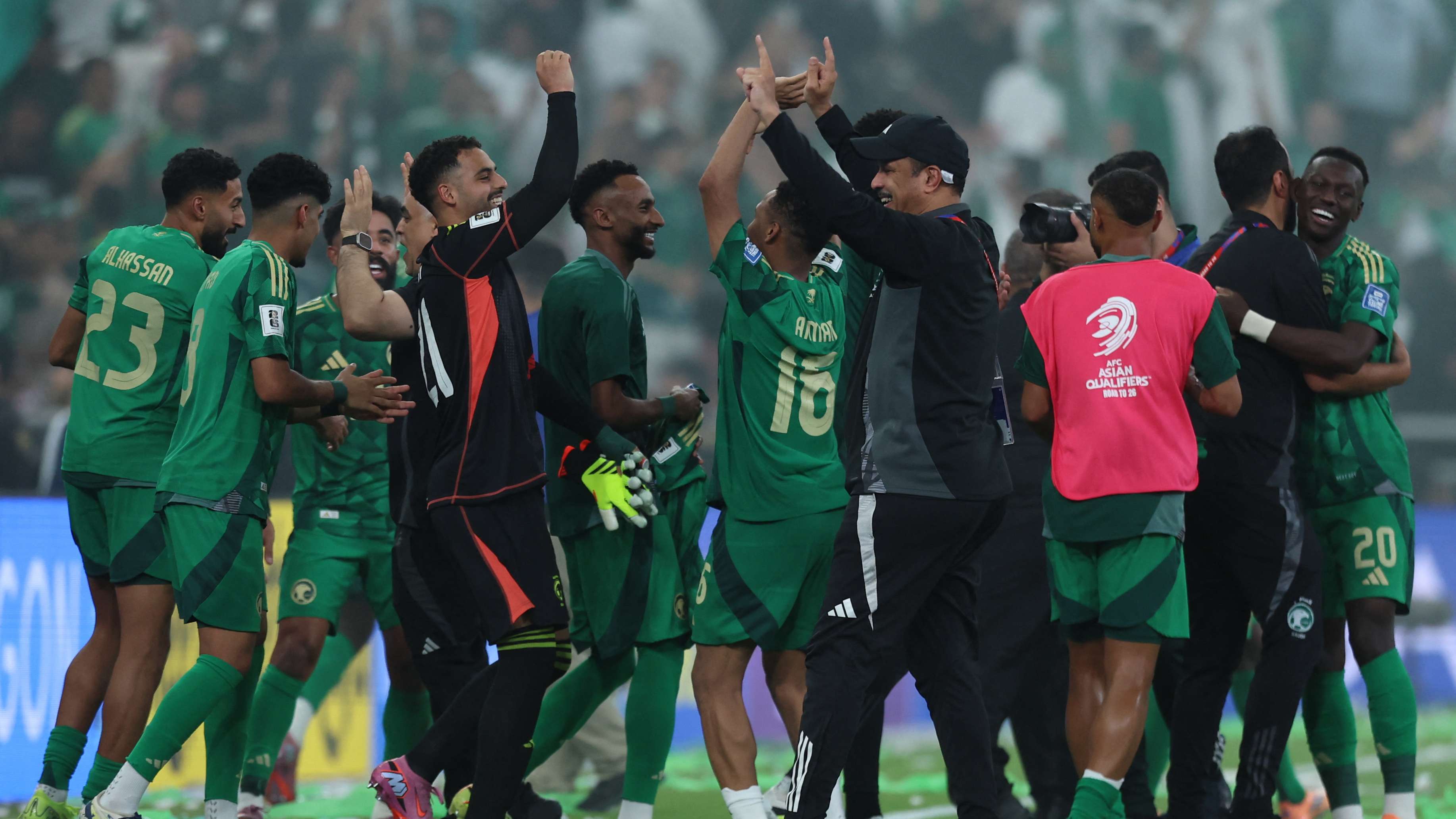
Despite the injury concern, Saudi Arabia have recent success to draw on. The national team won Gulf 27 after defeating the United Arab Emirates 2-0 in the final, securing their first title in 23 years. The victory provided a boost for the squad and its supporters, while offering the coaching staff an opportunity to assess players in a competitive setting.
Winning the Gulf Cup does not guarantee success at the Asian Cup, where the level of competition and the pressure of hosting will bring different challenges. However, the title can strengthen confidence and reinforce belief in the team’s progress. Saudi Arabia will hope to carry that momentum into their preparations, while continuing to improve their organisation and depth.
Prediction: Saudi Arabia Must Prepare for Both Outcomes
Any prediction about Saudi Arabia’s Asian Cup prospects should account for the uncertainty surrounding Kadesh. If he recovers in time and returns to full fitness, his experience could provide a timely boost to the hosts’ defence. If he misses the tournament, the team will need another centre-back to step into a demanding role and establish an effective partnership quickly.
The most sensible approach is for Saudi Arabia to plan for both possibilities rather than rely on an optimistic recovery timeline. That means monitoring Kadesh’s rehabilitation closely, testing alternative defensive combinations in upcoming fixtures and ensuring the wider squad is prepared for the physical and tactical demands of the competition.
For now, the focus remains on the defender’s recovery. Saudi Arabia have reasons for optimism after their Gulf Cup success, but Kadesh’s fitness will be one of the most important factors to watch as the hosts move closer to the 2027 AFC Asian Cup. His absence would be a heavy blow; his return, if achieved safely, could offer the national team valuable experience at a crucial moment.