
Bayern Munich Sporting Director Criticizes Real Madrid’s Reaction to Camavinga’s Red Card
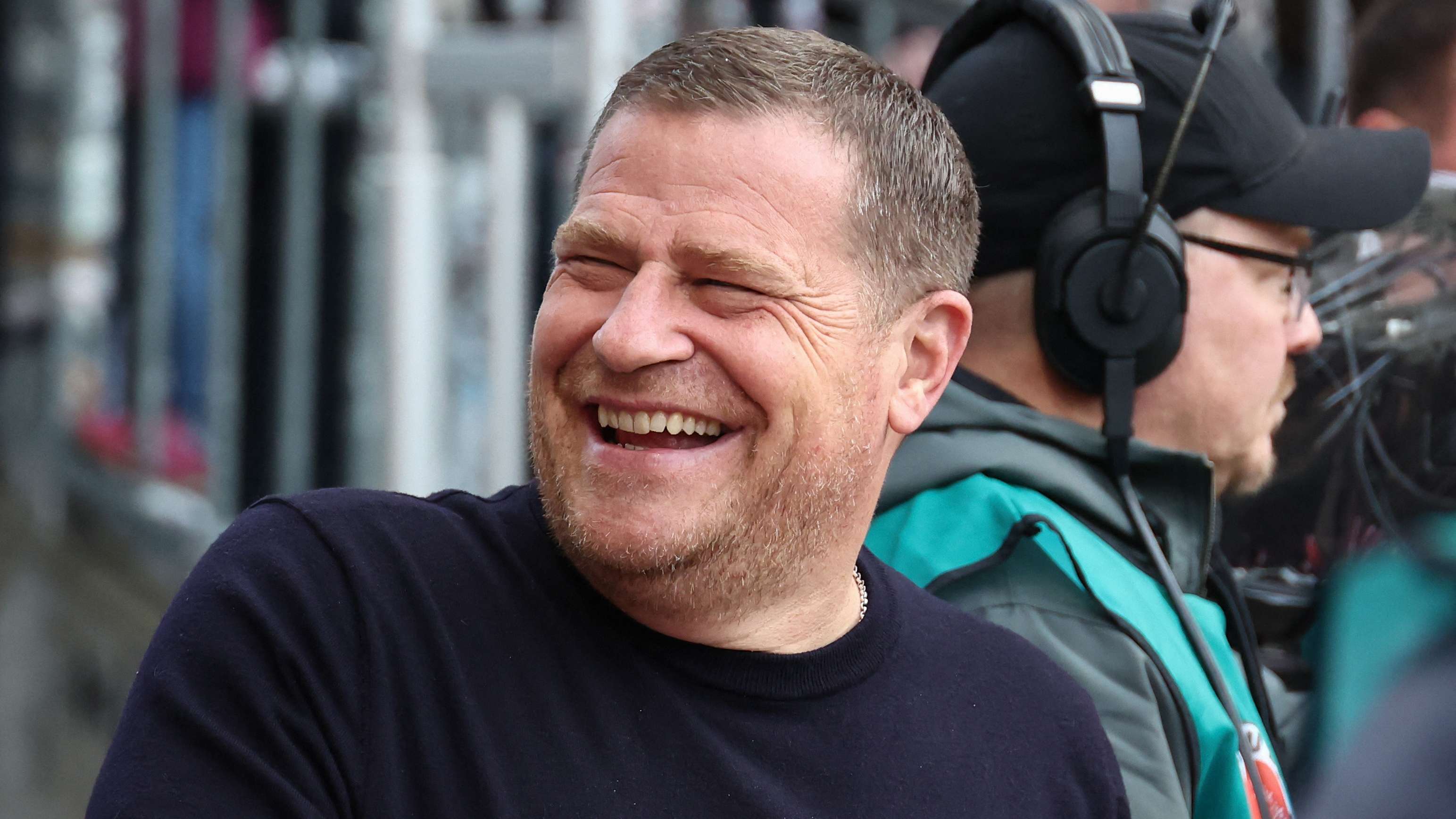
Max Eberl, the sporting director of Bayern Munich, has expressed his disbelief at the strong criticism directed towards Eduardo Camavinga’s red card during the recent Champions League quarter-final second leg match between Real Madrid and an opponent. The incident occurred with Real Madrid leading 3-2 when Slovenian referee Slavko Vincic seemingly forgot that Camavinga had already received a yellow card. Initially signaling for a standard caution, Vincic quickly realized his mistake and confirmed that a second yellow card should have been given.
Speaking to DAZN after the game concluded, Eberl shared his thoughts on the situation, stating, “If he wasn’t aware that Camavinga had already been booked, then it should have been a straight yellow card, as that was his original intention. If he refrained from giving it because he believed the player had already been booked… but as it stands, it was indeed a straight yellow card.”
Controversy Surrounding the Red Card
The confusion and subsequent red card for Camavinga sparked controversy among fans, players, and officials alike. Real Madrid’s reaction to the decision has been met with criticism, with many questioning the fairness and integrity of the call. Some have suggested that the incident highlights the need for better communication and clarity in refereeing decisions to avoid such contentious situations in the future.
Despite the outcry from Real Madrid and their supporters, the rules of the game dictate that once a referee recognizes their error in not issuing a second yellow card, they must rectify the mistake by enforcing the appropriate disciplinary action. In this case, Camavinga’s dismissal stood, much to the dismay of the Real Madrid camp.
Implications for the Champions League
The red card for Camavinga could have significant implications for Real Madrid as they progress through the latter stages of the Champions League. With the young midfielder now suspended for the upcoming matches, Real Madrid will need to adjust their tactics and lineup to compensate for his absence.
On the other hand, Bayern Munich’s Eberl has called for a more understanding approach to such decisions, emphasizing the complexities and split-second nature of refereeing in football. While controversies like these are not uncommon in the sport, it is essential for all parties involved to respect the officials’ decisions and focus on the game at hand.
Looking Ahead
As the Champions League continues to unfold, fans can expect more intense matches, thrilling moments, and, undoubtedly, further controversy. The unpredictability of football, coupled with the pressure of high-stakes competitions, often leads to contentious incidents like the one involving Camavinga. However, it is the resilience and adaptability of teams like Real Madrid and Bayern Munich that will ultimately determine their success in the tournament.
In conclusion, while the red card incident may have caused a stir in the football community, it is essential to remember that such controversies are part and parcel of the sport. As the competition heats up, teams must remain focused on their goals and overcome any obstacles that come their way. Only time will tell how this incident shapes the fate of the teams involved in the Champions League.
Analysis of Refereeing Decisions in Football
The incident involving Camavinga’s red card has once again brought the spotlight on the role of referees in football. Referees are tasked with making split-second decisions in high-pressure situations, leading to occasional errors that can have significant consequences for the outcome of a match. The reliance on human judgment in officiating matches has long been a topic of debate in the football community, with calls for the introduction of technology to assist referees in making accurate decisions.
VAR (Video Assistant Referee) technology has been implemented in various leagues and competitions to review key incidents and provide additional insights to match officials. While VAR has been successful in correcting obvious errors and reducing the number of controversial decisions, there are still instances where interpretation and judgment play a crucial role in refereeing decisions.
The incident involving Camavinga highlights the challenges faced by referees in maintaining consistency and fairness on the field. Real Madrid’s reaction to the red card reflects the intense emotions and stakes involved in top-level football, where even the slightest decision can have far-reaching consequences for a team’s season.
The Role of Sporting Directors in Defending Players
Max Eberl’s defense of Camavinga and critique of Real Madrid’s reaction demonstrate the role of sporting directors in advocating for their players and clubs. Sporting directors play a crucial role in representing the interests of the club, overseeing transfer activities, and supporting the team’s performance on and off the pitch.
Eberl’s comments not only reflect Bayern Munich’s stance on fair play and respect for officiating decisions but also serve to protect Camavinga from undue criticism and scrutiny. Sporting directors often act as a buffer between players, coaches, and the media, providing a voice of reason and perspective in moments of controversy and conflict.
Lessons Learned and Moving Forward
As the footballing world reflects on the Camavinga red card incident, there are valuable lessons to be learned about sportsmanship, integrity, and the unpredictable nature of the game. While controversies will continue to arise in football, it is essential for all stakeholders to uphold the values of fair play, respect, and professionalism.
Moving forward, teams like Real Madrid and Bayern Munich will need to regroup, refocus, and adapt to the challenges presented by the Champions League. The ability to overcome setbacks, stay united as a team, and maintain composure in the face of adversity will be critical in determining their success in the competition.
Ultimately, football is a game of passion, skill, and resilience, where every decision and action can have a profound impact on the outcome. As fans eagerly anticipate the next thrilling matches in the Champions League, they can expect more drama, excitement, and unforgettable moments that define the beautiful game.
By exploring the nuances of refereeing decisions, the role of sporting directors, and the lessons learned from the Camavinga incident, football enthusiasts gain a deeper understanding of the complexities and dynamics that shape the sport they love. As the Champions League journey continues, the unfolding drama and excitement will undoubtedly keep fans on the edge of their seats, eager to witness the magic of football in action.