
Steve McClaren Reveals Details of Ronaldo and Ten Hag Fallout
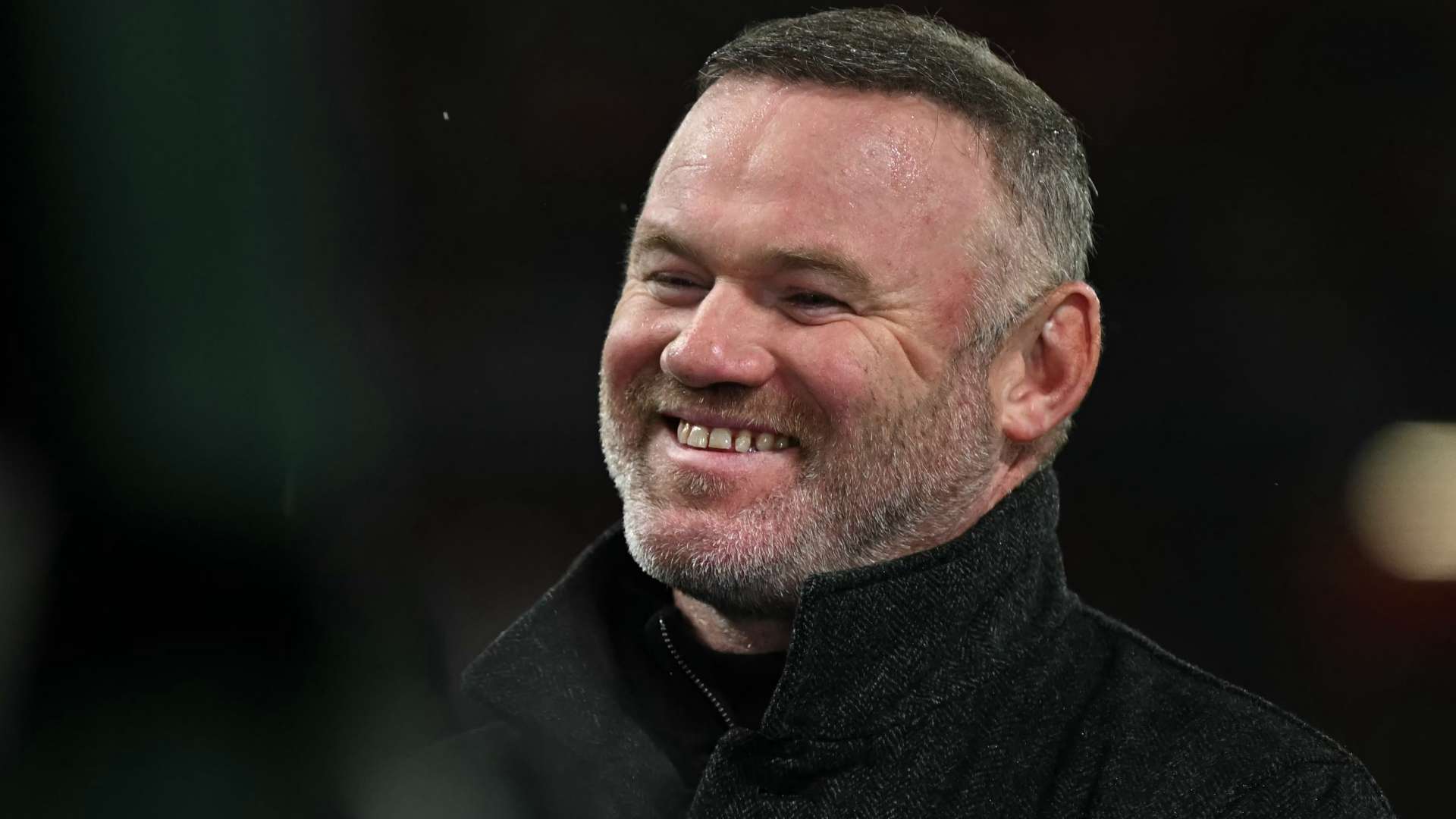
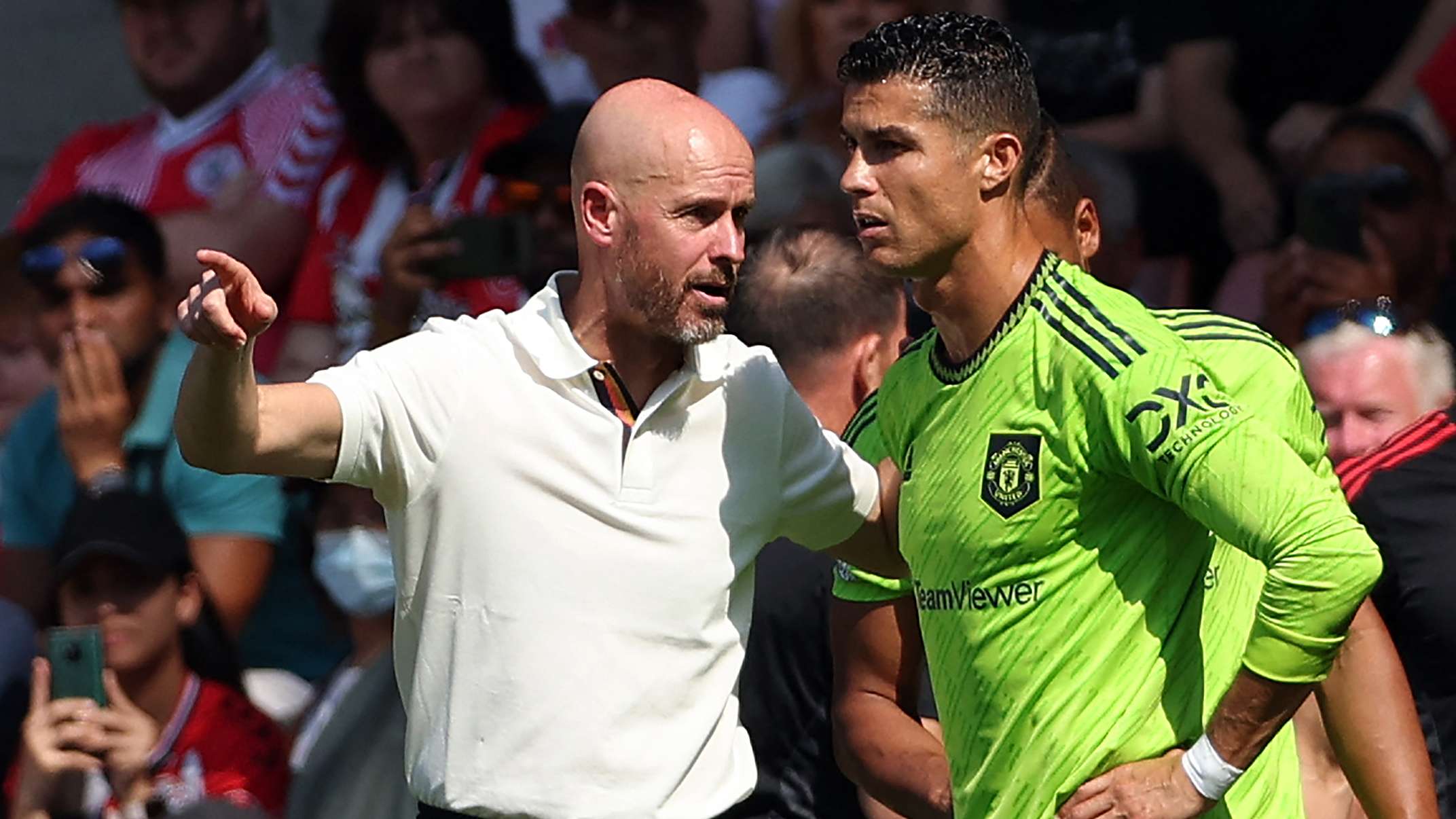
Former Manchester United backroom member, Steve McClaren, recently shed light on the reasons behind the highly publicized falling out between Cristiano Ronaldo and ex-head coach Erik ten Hag. The rift between the football icon and the manager reportedly played a key role in Ronaldo’s departure to Saudi Arabia at the end of 2022.
The Bombshell Interview
The Portugal international’s exit from the club came as a shock to many fans and analysts alike. However, according to McClaren, it was triggered by a bombshell interview that Ronaldo gave to journalist Piers Morgan. In the interview, Ronaldo didn’t hold back in criticizing the Red Devils’ owners, as well as his manager and team-mates.
McClaren, who was privy to the behind-the-scenes dynamics at Manchester United, disclosed that tensions had been brewing between Ronaldo and ten Hag for quite some time before the interview. The former England manager revealed that the relationship between the two had deteriorated to a point where it was no longer sustainable.
Unveiling the Issues
While details of the specific issues that led to the fallout were not disclosed, it is believed that differences in playing style, tactics, and overall philosophy were at the heart of the conflict. Ronaldo, known for his attacking prowess and goal-scoring ability, may have clashed with ten Hag’s strategic approach to the game.
Additionally, there may have been disagreements on team selection, training methods, and overall team dynamics. The pressure of performing at a top club like Manchester United, coupled with the high expectations placed on Ronaldo as a superstar player, likely added to the tensions between him and the coach.
Impact on the Club
The fallout between Ronaldo and ten Hag undoubtedly had a significant impact on Manchester United as a whole. With Ronaldo being a key player and a major asset to the team, his departure left a void that needed to be filled. The sudden exit of the football icon also raised questions about the club’s ability to manage star players and maintain a harmonious team environment.
As Manchester United regroups and moves forward, the lessons learned from the Ronaldo-ten Hag fallout will undoubtedly be taken into consideration. The club may look to improve communication, foster better relationships between players and staff, and ensure that conflicts are addressed and resolved in a timely manner to prevent similar situations in the future.
Looking Ahead
As Ronaldo embarks on a new chapter in his career in Saudi Arabia, the football world will be watching closely to see how he fares in his new environment. Meanwhile, Manchester United will be focusing on rebuilding and strengthening their team to continue competing at the highest level in football.
In conclusion, the revelation by Steve McClaren sheds light on the reasons behind the Ronaldo-ten Hag fallout and provides valuable insights into the challenges faced by top football clubs in managing star players. As the football world evolves, clubs will need to adapt and find ways to navigate conflicts and disagreements to ensure success both on and off the pitch.
Exploring the Ronaldo-ten Hag Fallout Further
Delving deeper into the Ronaldo-ten Hag fallout, it becomes evident that the clash between the two personalities extended beyond just tactical differences. Ronaldo, known for his passion, drive, and winning mentality, may have found it challenging to adapt to ten Hag’s coaching style, which might have emphasized a more collective approach over individual brilliance.
Moreover, Ronaldo’s status as a football legend and one of the greatest goal scorers in the history of the sport could have created a power dynamic within the team that potentially clashed with ten Hag’s authority as the head coach. This power struggle could have led to friction behind the scenes, impacting team chemistry and overall performance on the pitch.
Lessons Learned for Football Clubs
The Ronaldo-ten Hag saga serves as a cautionary tale for football clubs worldwide on the importance of effective communication, conflict resolution, and managing egos within a team structure. As clubs continue to invest in high-profile players, ensuring that the coaching staff can effectively manage personalities and egos will be crucial for sustained success.
Additionally, the fallout highlights the need for clear expectations, roles, and responsibilities to be established within a club to prevent misunderstandings and conflicts from escalating. Building a culture of respect, open communication, and accountability can help mitigate potential issues and foster a positive team environment conducive to success.
The Impact of Player-Coach Relationships
Player-coach relationships are often complex and multifaceted, influenced by factors such as personality, playing style, and individual goals. The Ronaldo-ten Hag fallout underscores the delicate balance that clubs must strike in managing these relationships to maximize player performance and team success.
By nurturing strong bonds between players and coaches, fostering mutual respect, and aligning goals and objectives, clubs can create an environment where players feel valued, supported, and motivated to excel. Effective communication, feedback mechanisms, and conflict resolution strategies play a critical role in maintaining healthy player-coach relationships and preventing potential breakdowns.
Looking to the Future
As Ronaldo continues his football journey in Saudi Arabia and ten Hag explores new coaching opportunities, both individuals will be seeking to learn from their past experiences and grow professionally. Ronaldo’s competitive spirit and relentless pursuit of excellence will likely drive him to succeed in his new environment, while ten Hag may leverage the lessons learned from his time at Manchester United to further develop his coaching philosophy.
For Manchester United, the aftermath of the Ronaldo-ten Hag fallout presents an opportunity for reflection, growth, and renewal. The club can use this experience to strengthen its team culture, enhance communication channels, and build a cohesive squad capable of achieving its long-term objectives.
In summary, the Ronaldo-ten Hag fallout offers valuable insights into the complexities of player-coach relationships, the challenges of managing star players, and the importance of effective conflict resolution in football. By learning from these experiences and implementing proactive strategies, clubs can navigate potential conflicts and create a conducive environment for success in the ever-evolving world of football.