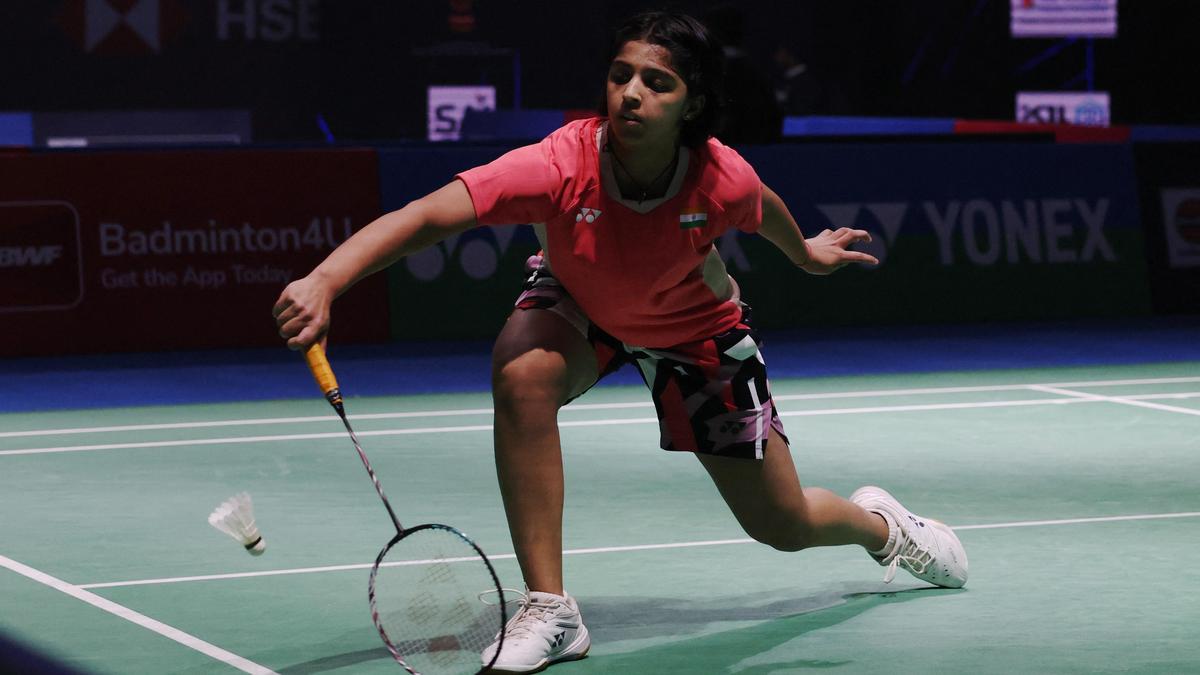


The Badminton World Federation Announces Major Overhaul of Global Calendar
The Badminton World Federation (BWF) has recently revealed plans for a significant revamp of the sport’s global calendar, set to take effect from 2027. These changes include an expanded World Tour, higher prize money, and new competition formats designed to enhance badminton’s presence on the international stage.
Increased Coverage and Prize Money
One of the key features of the BWF’s new framework is the substantial increase in the number of TV-produced matches, which will more than double from 1,410 to around 3,000 across all BWF tournaments. This change is aimed at providing fans with more opportunities to watch their favorite players in action and to attract a wider audience to the sport.
Furthermore, the total annual prize pool on the World Tour is set to rise to approximately USD 26.9 million. Prize money will be distributed as follows: USD 2 million for Super 1000 tournaments, USD 1.1 million for Super 750, USD 560,000 for Super 500, USD 290,000 for Super 300, and USD 140,000 for Super 100 events. These enhancements aim to incentivize players and elevate the competitiveness of the sport.
Revamped BWF World Tour
The centerpiece of the BWF’s reforms is the revamped BWF World Tour, which will now consist of 36 tournaments organized into a six-tier structure. This structure includes the World Tour Finals, five Super 1000 events, five Super 750, nine Super 500, eight Super 300, and eight Super 100 tournaments. Notably, Super 100 events will be integrated into the main tour for the first time.
Among the changes in the Super 1000 tournaments, a new format will be introduced for singles matches, with 48 players competing in a group stage followed by knockouts. Doubles events will feature 32-pair knockout draws. Each Super 1000 tournament will span 11 days across two weekends, providing fans with extended opportunities to watch top-level badminton action.
Expanded Competitions and Formats
Starting from 2027, the World Championships will adopt a group stage followed by knockouts, ensuring that every player competes in at least two matches. Additionally, the Sudirman Cup Finals and Thomas & Uber Cup Finals will expand to accommodate more teams, fostering greater participation and competition.
Hosts for the revamped World Tour from 2027 to 2030 have already been confirmed, while the venue for the World Tour Finals will be announced at a later date. These changes signify a new chapter for badminton, promising a more engaging and competitive experience for players, fans, and stakeholders alike.
Overall, the BWF’s efforts to overhaul the sport’s global calendar demonstrate a commitment to innovation, growth, and excellence in badminton. By introducing these changes, the federation aims to elevate the sport to new heights and attract a larger and more diverse audience worldwide.
Impact on Player Development
With the increased prize money and expanded tournament formats, the BWF’s overhaul of the global calendar is expected to have a significant impact on player development in the sport of badminton. The higher financial incentives at stake in top-tier tournaments will likely attract more talented athletes to pursue a career in badminton, leading to a more competitive field of players at the international level.
Moreover, the new tournament structures, such as the group stage followed by knockouts in the World Championships, provide players with more opportunities to showcase their skills and gain valuable experience against a diverse range of opponents. This exposure to different playing styles and strategies can help players refine their own techniques and elevate their performance on the court.
Global Expansion and Outreach
By enhancing the visibility and competitiveness of badminton through the revamped global calendar, the BWF is also paving the way for the sport’s continued global expansion and outreach. The increased number of TV-produced matches and the higher prize money on offer will attract more attention from broadcasters, sponsors, and fans worldwide, helping to grow the sport’s fan base and commercial appeal.
Furthermore, the inclusion of more teams in prestigious events like the Sudirman Cup Finals and Thomas & Uber Cup Finals will encourage greater participation from diverse regions, promoting the development of badminton talent in countries that may not have traditionally been strong in the sport. This expansion of the sport’s reach can help foster a more inclusive and diverse badminton community on a global scale.
Technological Innovations and Fan Engagement
With the increased emphasis on TV-produced matches and extended tournament formats, the BWF’s overhaul of the global calendar also opens up opportunities for technological innovations and enhanced fan engagement. Advanced technologies such as virtual reality (VR) and augmented reality (AR) could be leveraged to provide fans with immersive viewing experiences, allowing them to feel like they are right in the middle of the action on the badminton court.
Additionally, interactive features such as live polls, player statistics, and behind-the-scenes content can further engage fans and enhance their overall viewing experience. By embracing digital platforms and cutting-edge technologies, the BWF can create a more interactive and dynamic environment for fans to connect with the sport and its athletes, driving greater interest and participation in badminton globally.
Conclusion
The BWF’s major overhaul of the global calendar represents a bold and forward-thinking approach to advancing the sport of badminton on a global scale. Through increased coverage, higher prize money, revamped tournament formats, and expanded competitions, the federation is setting the stage for a new era of innovation, growth, and excellence in badminton.
By prioritizing player development, global expansion, technological innovations, and fan engagement, the BWF is not only elevating the competitive landscape of the sport but also creating a more immersive and inclusive experience for fans, players, and stakeholders alike. As the new framework takes effect from 2027 onwards, the future of badminton looks brighter than ever, with exciting prospects for continued growth and success in the years to come.