
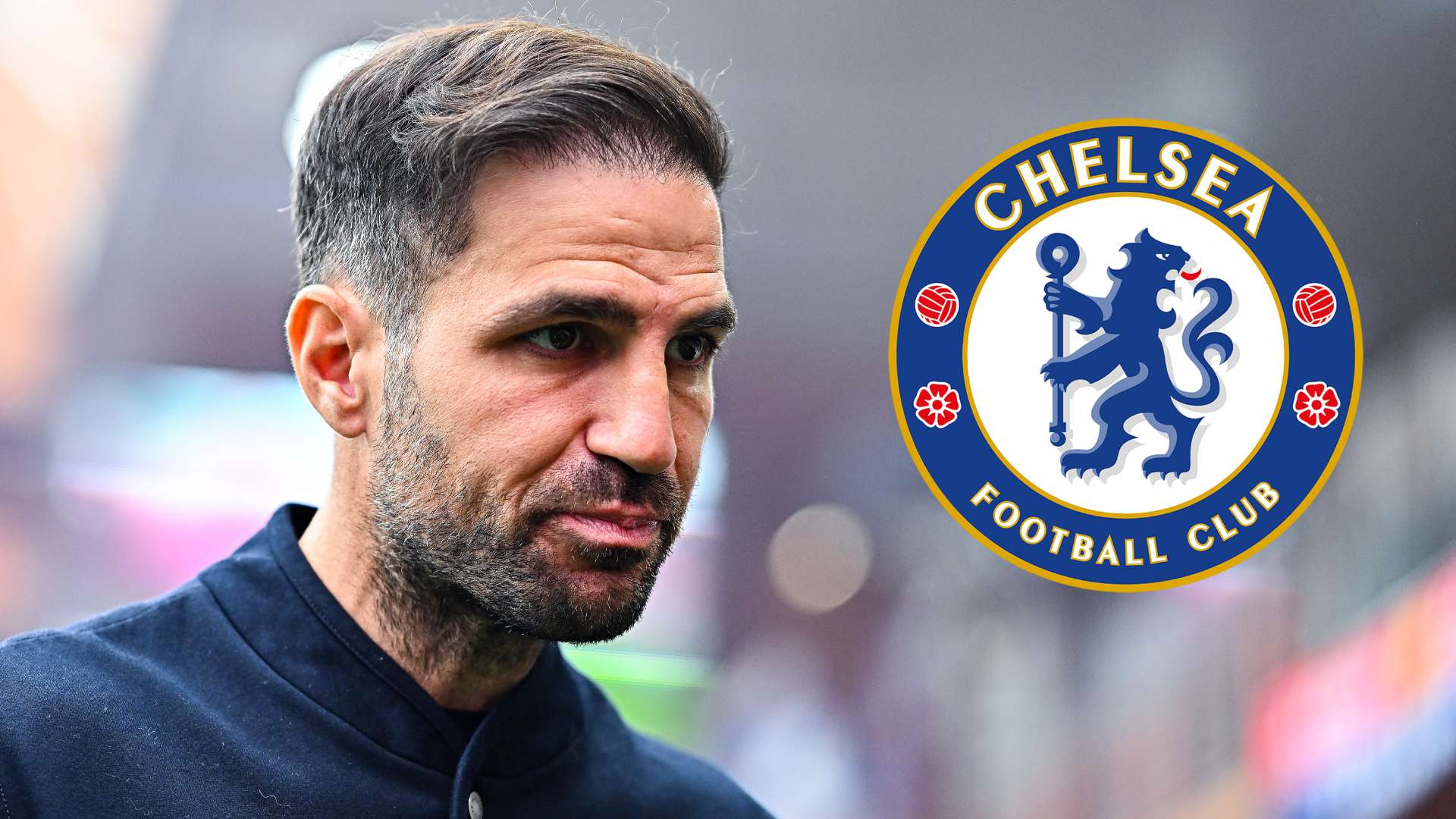

Former Chelsea Star Cesc Fabregas Warned Off Managerial Role
Chelsea Football Club has been cautioned against appointing Cesc Fabregas as their next manager, with concerns raised over his lack of experience and his current team’s performance in big games. Tony Dorigo, a former professional footballer, has expressed his views on why Fabregas may not be the best fit for the managerial role at Stamford Bridge at this time.
Fabregas’ Managerial Potential Questioned
Despite his illustrious playing career, which included successful stints at clubs like Arsenal, Barcelona, and Chelsea, Cesc Fabregas has been advised to gain more experience before stepping into a managerial position. Currently managing Italian side Como, Fabregas has faced criticism for his team’s performance in crucial matches, with a tendency to “fall apart” in high-pressure situations.
According to Dorigo, Fabregas may need more time to hone his managerial skills and prove himself in different scenarios before taking on a role as demanding as managing a top club like Chelsea. This caution comes from a place of understanding the challenges and expectations that come with leading a high-profile team in the football world.
Exploring Alternatives for Chelsea
Instead of rushing into appointing Fabregas as their manager, Chelsea may opt for an alternative candidate who brings more experience and a proven track record of success in managing top-tier teams. By selecting a manager with a strong background in handling big games and high-pressure situations, the club can ensure stability and competitiveness on the field.
While the prospect of Fabregas returning to Chelsea in a managerial role is intriguing, it may be wiser for the club to wait for the right time when he has gained more experience and proven his ability to lead a team effectively. This strategic approach can benefit both Fabregas and Chelsea in the long run, setting the stage for a successful partnership in the future.
Looking Ahead
As the football world eagerly anticipates Chelsea’s next managerial appointment, the club’s decision-makers will need to carefully consider all options and weigh the pros and cons of each candidate. While Fabregas’ name is certainly one that sparks interest and excitement among fans, prioritizing experience and proven leadership qualities may be the key to ensuring the club’s continued success on the pitch.
Ultimately, the decision on who will lead Chelsea into the next chapter of their footballing journey is crucial, and it is essential that the club makes a choice that aligns with their long-term goals and aspirations. Whether Fabregas will eventually make his return to Stamford Bridge as a manager remains to be seen, but for now, the focus remains on finding the right candidate to guide the team to victory.
The Importance of Experience in Football Management
Experience in football management is crucial for success at the highest levels of the game. Managing a top club requires more than just knowledge of the sport; it demands a deep understanding of tactics, player dynamics, and the ability to handle pressure situations effectively. While former players like Cesc Fabregas may have the passion and footballing IQ, transitioning into a managerial role without the necessary experience can be risky.
Managers need to be able to make split-second decisions, motivate players, analyze opponents, and adapt tactics during matches. These skills are honed over time through years of coaching, learning from mentors, and gaining valuable experience in different footballing environments. Without this foundation, even the most talented former players may struggle to succeed as managers.
Building a Strong Managerial Profile
For Cesc Fabregas, the path to becoming a successful manager may involve gaining more experience in different leagues, facing diverse challenges, and proving his ability to lead a team to consistent success. Managing a smaller club like Como in Italy can provide him with valuable insights into the intricacies of football management, allowing him to learn from both victories and defeats.
By gradually building his managerial profile and demonstrating his ability to handle high-pressure situations, Fabregas can strengthen his case for a future role at a top club like Chelsea. Taking on diverse challenges, working with experienced coaching staff, and continuously improving his tactical knowledge can all contribute to his growth as a manager.
The Role of Mentors and Guidance
Having the right mentors and guidance can also play a significant role in shaping a former player’s transition into management. Learning from experienced coaches, seeking advice from seasoned managers, and observing successful leaders in the football world can provide valuable insights and help navigate the complexities of the managerial role.
By surrounding himself with a strong support system and seeking mentorship from seasoned professionals, Cesc Fabregas can accelerate his development as a manager and enhance his chances of success in the future. Building a network of mentors and advisors can offer perspective, guidance, and support during challenging times, ultimately contributing to his growth and evolution as a football manager.
Striking a Balance between Potential and Experience
While potential and talent are essential in football management, experience remains a critical factor in determining long-term success. Clubs like Chelsea must strike a balance between recognizing the potential of former players like Fabregas and prioritizing candidates with proven experience and a track record of success in managerial roles.
By carefully evaluating candidates based on a combination of potential, experience, leadership qualities, and tactical acumen, clubs can make informed decisions that align with their strategic goals and aspirations. Balancing the allure of former players with the necessity of managerial experience can lead to a sustainable and successful managerial appointment in the long run.
In Conclusion
While the prospect of Cesc Fabregas becoming the manager of Chelsea is captivating, the caution raised regarding his lack of experience serves as a valuable reminder of the importance of building a strong foundation in football management. By focusing on gaining diverse experiences, seeking mentorship, and continuously improving his skills, Fabregas can position himself for a successful transition into a managerial role at a top club in the future.
As the football world waits to see who will lead Chelsea next, the discussion around potential candidates underscores the significance of experience, leadership qualities, and proven success in football management. While the journey from player to manager is challenging, it is one that, with dedication, commitment, and the right guidance, can lead to a rewarding and impactful career in football management.