
Yoann Cathline’s Early Miss Sparks Frustration as FC Utrecht and PEC Zwolle Reach Half-Time Level
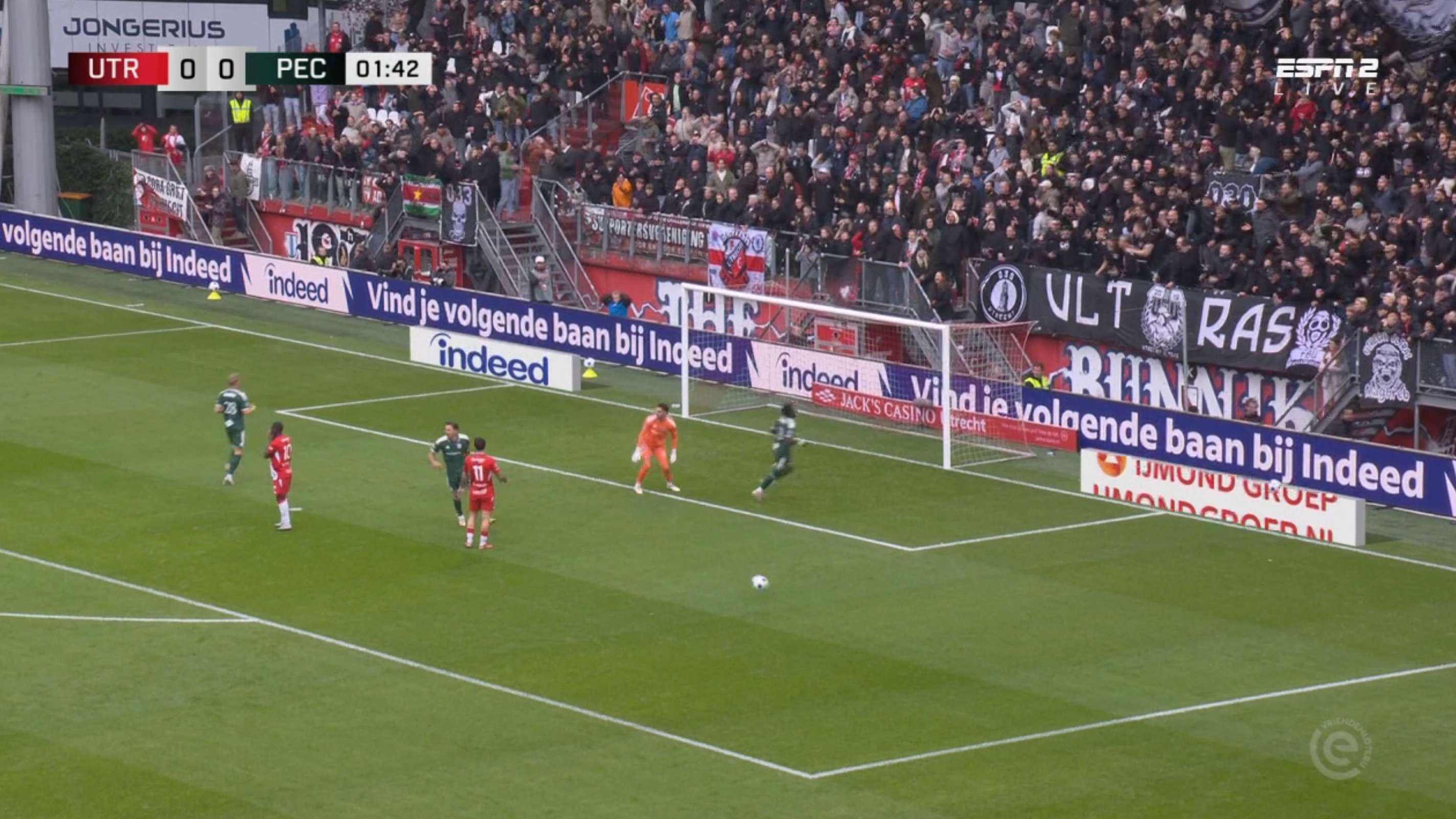
FC Utrecht’s home match against PEC Zwolle began with a golden opportunity—and a decision that quickly became the talking point among supporters and pundits. French forward Yoann Cathline had a clear route to goal in the second minute, but chose to shoot rather than pass to the unmarked Ángel Alarcón. His effort went wide, leaving Utrecht to rue a chance that could have given them an immediate lead at Stadion Galgenwaard.
The miss shaped the mood around the opening stages of the contest. Utrecht had launched a rapid counter-attack after resisting a PEC Zwolle corner, turning a defensive moment into a promising two-on-one break. With Alarcón in space and only one defender between the attackers and goal, the home side appeared to have a strong chance of taking control early. Instead, Cathline’s attempt failed to hit the target, and the score remained 0-0 at half-time.
A promising counter-attack ends without a shot on target
The opportunity developed after Didden’s persistence helped Utrecht regain the ball and move forward quickly. Cathline and Alarcón surged toward the PEC Zwolle goal, forcing the lone defender to choose which attacker to cover. The defender moved toward Cathline, leaving Alarcón with room to receive a pass in a more favourable position.
Cathline could have squared the ball for his teammate, who would have had a clearer sight of goal. Instead, the French forward attempted to finish himself, sending his shot wide. The choice was especially costly because Utrecht had created the chance through speed and numbers, but could not turn that advantage into an opening goal.
In football, split-second decisions often determine whether a counter-attack becomes a scoring opportunity or a missed possibility. Cathline may have believed he could beat the goalkeeper from his position, but the available passing option appeared difficult to ignore. Alarcón’s space, combined with the defender’s movement toward Cathline, made the pass look like the more effective route.
Journalist questions Cathline’s decision
De Telegraaf journalist Jeroen Kapteijns criticised the forward’s choice in a post on X. He described the moment as a major early miss for Utrecht and said the two-on-one situation had been handled poorly because Cathline did not pass to the unmarked Alarcón before shooting wide.
Kapteijns also argued that the incident deserved attention from Utrecht manager Anthony Correia after the match. In his view, the forward should have laid the ball off to a teammate who was in a better position. The criticism reflected the frustration felt by many Utrecht supporters: the issue was not simply that the shot missed, but that a promising team opportunity appeared to be passed over.
Such moments can become more significant when a match remains tight. An early goal might have changed the tempo, forced PEC Zwolle to take greater risks and given Utrecht more space to attack. With the chance gone, the home side had to continue searching for a breakthrough rather than building on an early advantage.
Kees Kwakman says passing did not seem to be an option
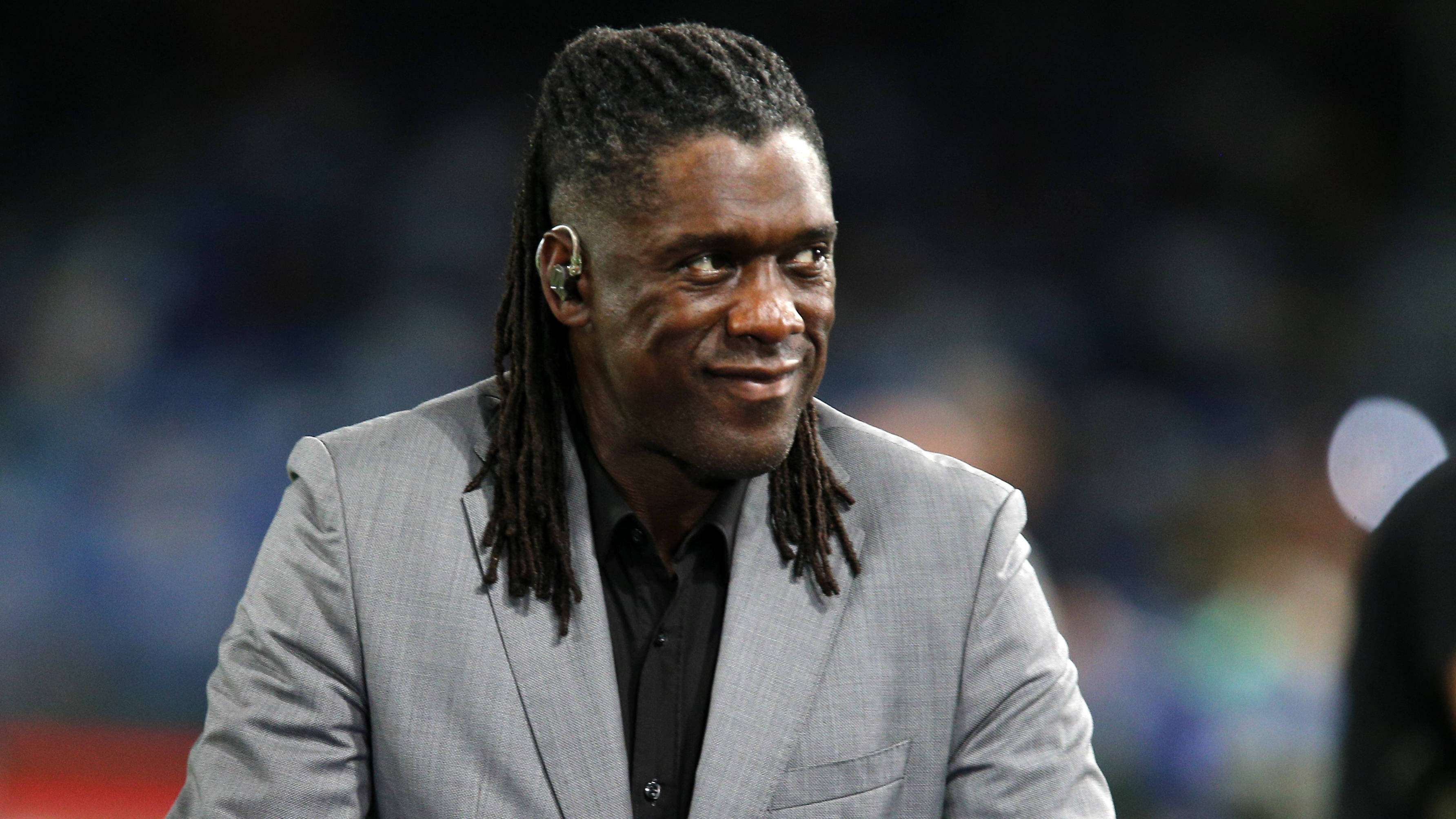
ESPN pundit Kees Kwakman was also puzzled by Cathline’s decision when discussing the incident at half-time. He suggested the forward seemed committed to shooting from the moment the counter-attack began, rather than weighing up whether Alarcón was better placed.
Kwakman said Cathline could have passed to Alarcón at several points during the move, but appeared to have no intention of doing so. He acknowledged that choosing to shoot is not automatically wrong, but felt the circumstances made the decision difficult to understand. His assessment was that Cathline’s focus seemed to be on scoring personally, rather than choosing the option most likely to benefit Utrecht.
The pundit also considered Alarcón’s reaction. The teammate appeared relatively calm, Kwakman noted, although he said he might have reacted more strongly in the same situation. The response matters because missed chances can affect communication and confidence between forwards, particularly when one player feels a clear opportunity to score was overlooked.
PEC Zwolle’s defensive choice left Alarcón free
Kwakman pointed to the defender’s positioning as another reason the pass seemed so obvious. As the PEC Zwolle player moved across to confront Cathline, Alarcón was left unmarked. That defensive decision opened a lane for a square pass and gave the Spanish forward a chance to finish from a more advantageous position.
From a tactical perspective, the sequence highlighted the value of drawing a defender before releasing the ball. If Cathline had passed at the right moment, the defender might have been unable to recover in time. Instead, the shot ended the move without troubling the goal, and PEC Zwolle escaped an early setback.
That does not mean the outcome of the match can be judged by one incident alone. Football matches are shaped by many decisions, defensive actions and chances over 90 minutes. Still, the opening break offered Utrecht a valuable opportunity to set the tone, and its failure naturally invited scrutiny from analysts and fans.
What the miss could mean for Utrecht
For Cathline, the challenge will be to respond positively rather than allow the criticism to dominate his performance. Forwards are expected to make decisive choices, and confidence is central to attacking play. But the episode may also serve as a reminder that awareness of teammates can be just as important as individual finishing, especially during fast breaks when defenders are outnumbered.
For Correia, reviewing the sequence could provide a useful coaching point: identify the defender’s movement, recognise the free player and make the decision that offers the team the highest-probability chance. Whether the manager addresses it publicly or privately, the play is likely to feature in Utrecht’s analysis of the match.
Any prediction about the final result would need to account for more than Cathline’s early miss, including the teams’ later chances and tactical adjustments. But at half-time, the moment remained the clearest talking point: Utrecht had a two-on-one break, Alarcón was free, and the chance to make it 1-0 disappeared when Cathline chose to shoot. As Kwakman’s verdict suggested, it was an opportunity that Utrecht might reasonably have expected to convert.