
Stephen Fleming Wants County Cricket at the Heart of England’s Development Plan
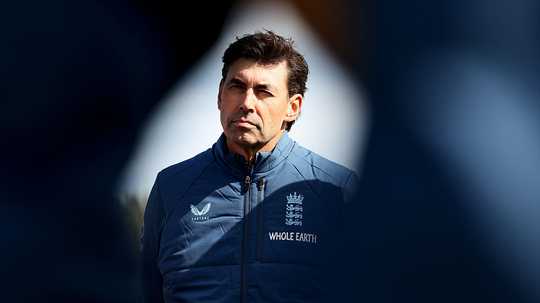
England head coach Stephen Fleming wants county cricket to play a bigger role in preparing the national team for the challenges ahead. As he builds his coaching programme, Fleming plans to draw on the expertise of county coaches and former England players, creating closer links between the domestic game and the international set-up.
The approach is intended to strengthen player development and make England’s coaching structure more connected to the cricket played across the country. Fleming, who is due to lead England in his first series in South Africa later this year, has also said he hopes the national side will eventually be coached by an Englishman or Englishwoman.
A broader coaching network
Fleming’s initial coaching group includes several familiar figures from English cricket. Former batter Marcus Trescothick, who served as interim Test coach against Pakistan earlier this year, will work alongside former England wicketkeeper James Foster and ex-spinner Richard Dawson. Jonathan Trott, a member of England’s Ashes-winning team, is set to lead the England Lions.
The appointments reflect Fleming’s intention to build on the existing structure rather than rely solely on a small, fixed group of coaches. Speaking to BBC Radio 5 Live, he said the staff offered a strong starting point, while making clear that further development would involve people from across the domestic game.
“There are some really key people who have come back into the system and I’m really pleased about that,” Fleming said. He added that county coaches could be invited into the national set-up at particular times, while former players might also be asked to contribute their experience.
That flexibility could help England access specialist knowledge as players prepare for different opponents and conditions. A county coach who has worked closely with a developing batter or bowler, for example, may be able to provide practical insight that is difficult to gain from occasional observation alone. Former international players can also offer perspective on the demands of touring, selection pressure and performing at the highest level.
Why county cricket matters to England
County cricket remains a major part of the pathway for players hoping to represent England. It gives selectors and coaches an extended view of a player’s technique, temperament and consistency, while providing opportunities to develop skills over a full season. Fleming’s plan suggests the national team wants to make more deliberate use of that knowledge.
The issue has attracted attention following criticism of Brendon McCullum’s period as England’s Test coach. Questions were raised about his engagement with the domestic game, particularly after he took an extended break before joining the Test team at the beginning of the summer. Fleming’s stated commitment to watching county cricket offers a different emphasis: one based on regular contact with the competition and the people working within it.
Fleming visited several counties in September and said he enjoyed reconnecting with people he had played alongside, many of whom now hold coaching or leadership roles. He plans to continue following the competition, including spending time at county matches next summer as England prepare for a home Ashes series.
That involvement could be especially valuable before a major series, when selection decisions often depend on form, fitness and how players are adapting to particular roles. County performances do not automatically determine international selection, but sustained observation can help coaches identify who is ready for a step up and what support a player may need.
England’s search for the right spin combination
One of Fleming’s immediate challenges is to establish a clearer plan for spin bowling in the Test side. England did not select a specialist spinner in any of their three Tests against Pakistan, instead opting for an attack built around four frontline seamers. The decision has renewed debate about when England should include a specialist slow bowler and how conditions should influence that choice.
The wider cricket conversation has also been shaped by Australia’s decision to leave Nathan Lyon out of a Test against South Africa in Gqeberha, despite the off-spinner’s 573 Test wickets. The selection underlines a broader point: even a highly accomplished spinner is not guaranteed a place when team balance, pitch conditions and match strategy point in another direction.
Shoaib Bashir is the only specialist red-ball spinner among England’s fully centrally contracted players. Mason Crane and Liam Patterson-White have received development deals, giving the selectors other options to monitor. Fleming described Bashir as representing “continuity”, but stopped short of declaring him England’s automatic first-choice spinner.
He noted that several bowlers below Bashir are also pushing for opportunities. England may need different combinations in different conditions, particularly on tours where pitches are expected to offer more assistance to spin. Fleming cited Bangladesh as an example of a destination where England could consider selecting two or even three spinners.
Selection, conditions and the role of prediction
For supporters, the spinner debate adds an important layer to any cricket prediction about England’s future Test line-ups. A forecast based only on central contracts or recent selections may miss the influence of the pitch, the opposition and the balance of the attack. Bashir’s experience gives him a strong position, but England’s choices are likely to remain conditions-based rather than fixed.
That approach also makes domestic performances more relevant. County cricket can help England assess whether a spinner is improving control, developing variations or building the stamina required for long spells. It can also show how bowlers respond to different surfaces and match situations—evidence that may help coaches make more informed decisions when international conditions vary sharply.
Fleming’s comments point towards a national set-up that is intended to be more inclusive and closely connected to English cricket. His ambitions include using the expertise already present in counties, continuing to watch the domestic competition and developing a flexible approach to player selection. The impact will depend on how consistently those plans are put into practice, but the message is clear: county cricket is not simply a feeder system. Fleming wants it to become an active partner in shaping England’s next generation.