
Hansi Flick backs Barcelona to recover after defeats to PSG and Real Madrid
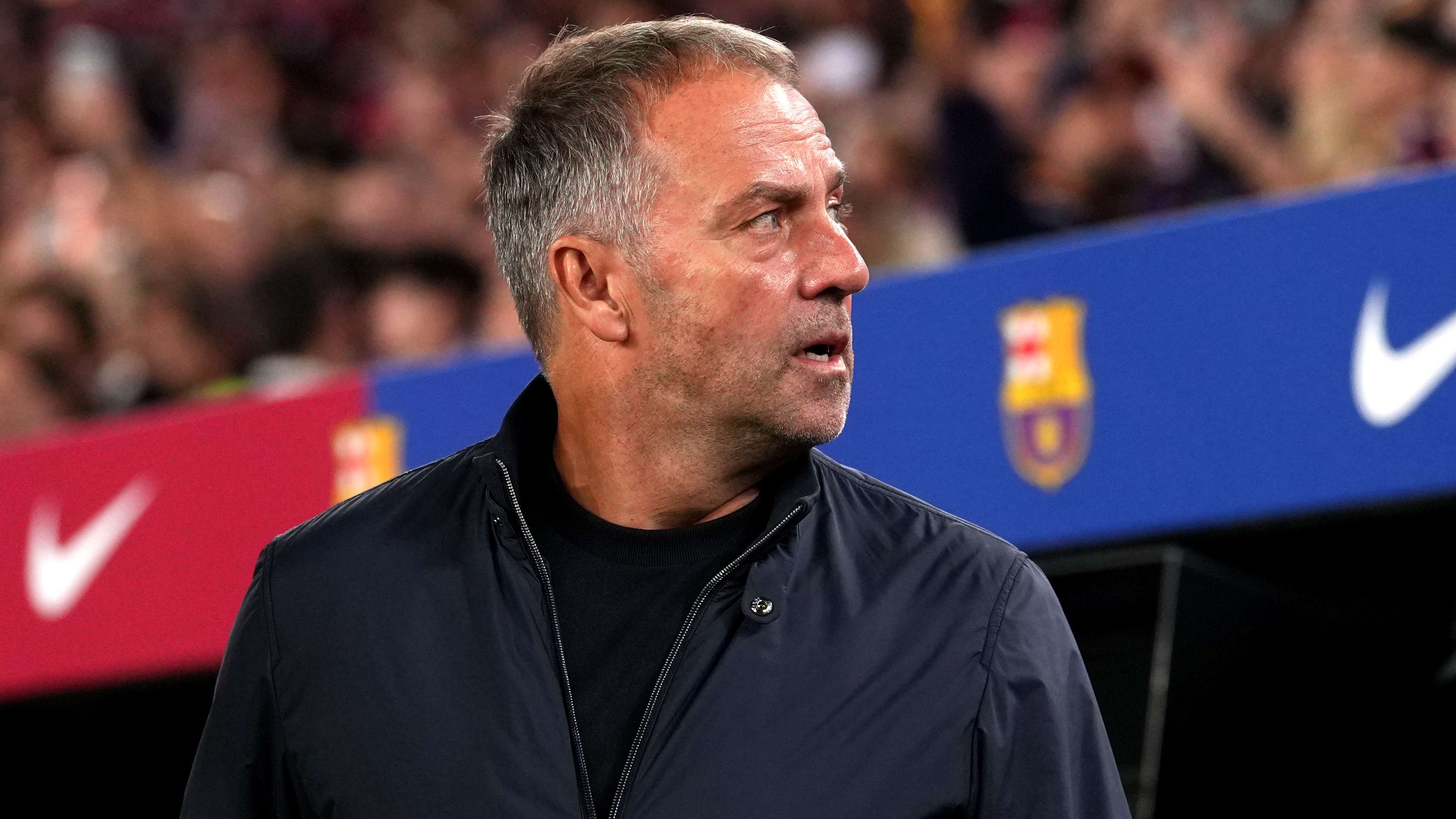
Barcelona coach Hansi Flick has urged calm after his team suffered consecutive losses to Paris Saint-Germain and Real Madrid, insisting the setbacks do not undermine the club’s long-term project. With a demanding La Liga trip to Deportivo Alavés approaching and several first-team players unavailable, Flick’s immediate priority is to find a way to restore Barcelona’s momentum.
The defeats ended an impressive run of 11 straight victories across La Liga and the Champions League. Barcelona first lost to reigning European champions PSG before falling to Real Madrid in a high-profile meeting between two of Spain’s leading title contenders. The timing has intensified scrutiny, but Flick says the response matters more than the results themselves.
Flick says Barcelona must learn from setbacks
Speaking before the Alavés match, Flick described the season as a long journey and rejected the idea that two losses should be treated as evidence that Barcelona’s plans are failing. He acknowledged that defeat is difficult to accept, particularly against a major rival, while stressing that the team must assess what went wrong and move forward.
“We lost to Real Madrid, and nobody likes losing, but we have to deal with it,” Flick said, according to Spanish newspaper AS. He added that Barcelona had created opportunities and could have taken a different result, but the players must accept the outcome and learn from the experience.
That message reflects a practical challenge for a side balancing ambition with the realities of a long campaign. Strong early-season form can create high expectations, but injuries, fixture congestion and difficult opponents can quickly test a team’s depth. Flick’s task is to keep the squad focused without allowing two high-profile defeats to define its season.
Injuries force Barcelona to search for solutions
Barcelona will travel to Alavés with a lengthy list of absences. Flick named Jules Koundé, Marc Casadó, Xavi Espart, Dani Olmo, Eric García and Andreas Christensen among the players unavailable for the match. The number of missing options could affect the coach’s choices in defence and midfield, making squad rotation and tactical flexibility especially important.
Flick did not disguise the difficulty of managing so many injuries at once. Instead, he said the team must find solutions with the players available and concentrate on the immediate objective: collecting three points. A win would not erase the losses to PSG and Real Madrid, but it could help restore confidence and prevent a brief slump from becoming a longer run of inconsistent results.
Against an Alavés side eager to make home advantage count, Barcelona will need to show patience as well as attacking quality. The visitors may have to adjust their usual combinations, while players who have had fewer minutes could be asked to take on greater responsibility. How effectively they adapt may be just as significant as the final score.
Barcelona president Joan Laporta offers support
Flick also addressed public backing from Barcelona president Joan Laporta. The coach said he had spoken with Laporta and sporting director Deco and described relations with the club’s leadership as normal. He welcomed the support but made clear that it would not change his approach to the job.
“Nothing has changed, and I have not lost a single ounce of my enthusiasm to coach this wonderful team,” Flick said. He pointed to Barcelona’s 11-match winning start as evidence of what the squad can achieve, while acknowledging that the team now has to return to winning ways.
The German coach remains committed to his footballing ideas, saying he believes his approach is right for the group and that the club will continue working with it. That conviction is significant at a moment when outside pressure can grow quickly after defeats to high-profile opponents. For Flick, the answer is not to abandon the project but to improve the details and help the players regain their rhythm.
Raphinha’s Brazil call-up raises workload concerns
One issue Flick discussed with greater frustration was Raphinha’s involvement with Brazil. The Barcelona captain is an important figure for the club, but he returned injured after the previous international break. That experience has left Flick concerned about the physical demands placed on the forward during a crowded schedule.
Flick said he had raised the matter with Deco and would welcome better control over Raphinha’s playing time for the national team. He also highlighted the strain of international travel, including the long journey back from Singapore, as a factor that can complicate recovery and preparation for club matches.
At the same time, Flick recognised the player’s position. Raphinha is Brazilian and wants to represent his country whenever he is called up. The coach said the forward cares deeply about Barcelona, but also understands why he responds to Brazil’s selection. The decision over international minutes, however, rests with the national team rather than the Barcelona manager.
That creates a familiar tension in modern football: clubs depend on their leading players across a packed season, while national teams expect their best performers to be available. Managing workloads carefully can help reduce injury risk, but coordination between clubs and national teams is not always straightforward. Flick’s comments underline Barcelona’s wish to protect a key player without questioning his commitment to Brazil.
Alavés match offers an early chance to respond
Barcelona’s meeting with Alavés gives Flick’s side an immediate opportunity to turn words into action. The result will matter in the La Liga standings, but the performance may also offer clues about the team’s resilience, its ability to cope with absences and the effectiveness of Flick’s tactical adjustments.
Any prediction for the match must account for Barcelona’s quality and strong start to the campaign, alongside the disruption caused by injuries and two consecutive defeats. Alavés will be motivated to exploit any uncertainty, particularly if the visitors struggle to settle early. Barcelona, meanwhile, will be looking for a composed display and a return to the habits that powered its winning streak.
Flick’s message is clear: the setbacks are serious, but they are not the end of the road. Barcelona must accept what happened, learn from it and focus on the next challenge. With pressure rising and key players sidelined, the Alavés fixture is an important test of whether the team can turn its coach’s confidence into a convincing response on the football pitch.