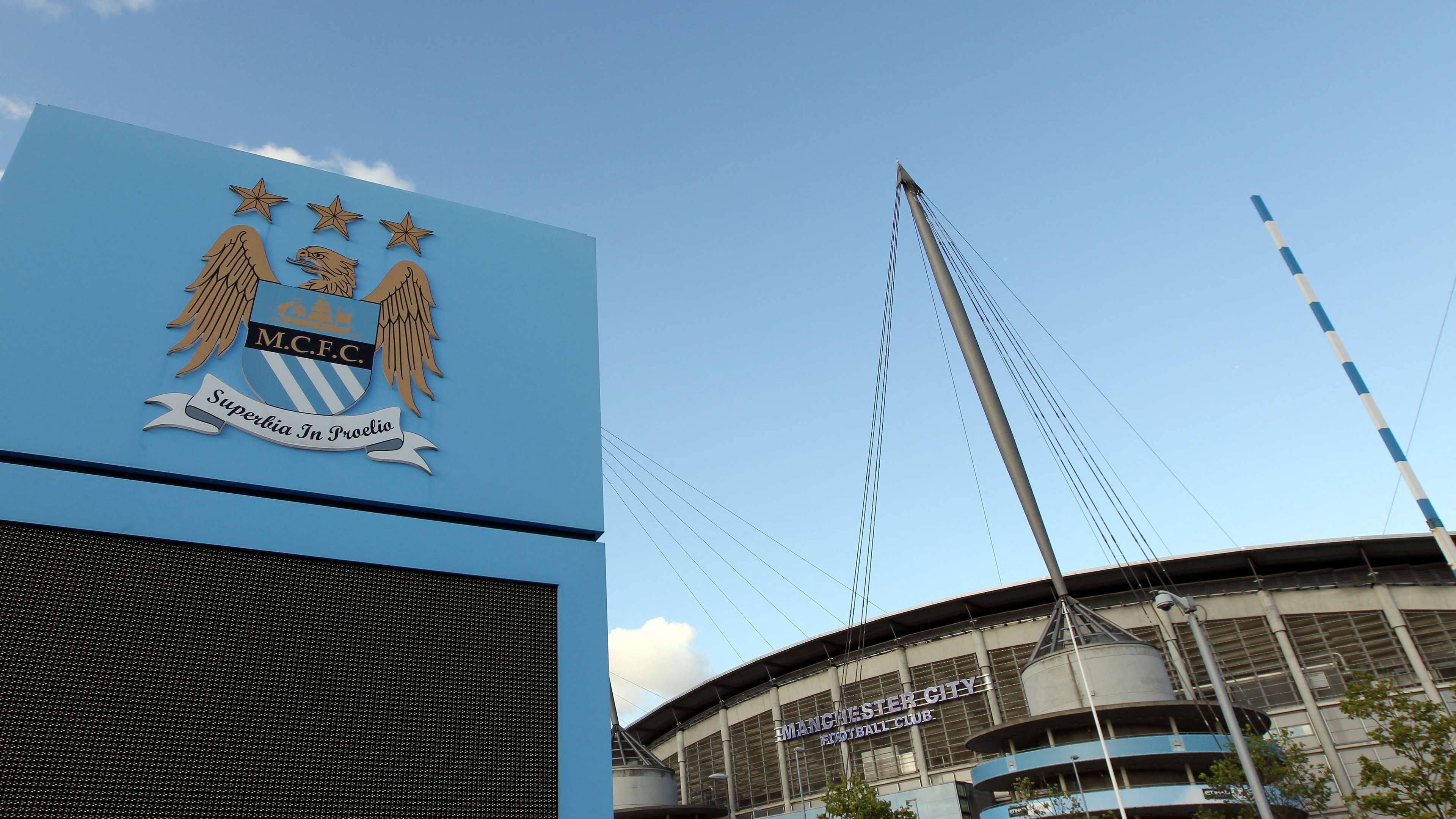

Bernstein Criticizes Manchester City’s Penalties Amid Financial Violations Scandal
The recent allegations of serious financial misconduct against Manchester City have sparked intense debate within the football community, with prominent former club chairman David Bernstein voicing strong opinions on the severity of the case. As the club prepares to contest the ruling, Bernstein emphasizes that any punitive measures should extend beyond mere financial penalties, raising concerns about the broader implications for football’s integrity and the Premier League’s credibility.
Former Chairman Highlights the Gravity of the Situation
David Bernstein, who served as Manchester City’s chairman from 1998 to 2003, did not hold back when discussing the gravity of the allegations. Speaking exclusively to the British Broadcasting Corporation (BBC) on Tuesday, Bernstein underscored the seriousness of the situation, suggesting that the repercussions could have far-reaching consequences for the club and the sport as a whole.
“It is beyond belief how serious this matter is,” Bernstein stated. “The first thing I think about is whether the board should continue to oversee the club during this turbulent period, and whether key personnel should be suspended immediately pending investigation.”
He further elaborated on the potential implications, emphasizing that the issue transcends mere financial breaches. “This isn’t just about money; it’s about the integrity of the competition,” Bernstein explained. “Football is built on trust, fairness, and transparency. If those principles are compromised, the entire league’s credibility is at stake.”
Concerns Over Potential Fraud and League Integrity
Bernstein’s remarks delve into the possibility that the violations could be more than just administrative errors—they could constitute fraud. Although he acknowledged he is not a legal expert, he expressed concern that the severity of the allegations might surpass typical disciplinary measures.
“Some lawyers suggest a pattern of denial and obfuscation, but in this case, it appears to be a fundamental breach of trust,” said Bernstein. “If proven, this could be an ingrained form of fraud, which the sport cannot ignore.”
He went further, asserting that football’s governing bodies should consider severe consequences beyond fines, including potential sanctions that could fundamentally alter the club’s standing within the league.
Why Financial Penalties Are Not Enough
In the ongoing debate about appropriate punishment, Bernstein highlighted a critical point: financial penalties, while necessary, are insufficient to address such grave violations. “If the allegations are substantiated, penalizing the club solely with fines would be inadequate,” he argued.
“The sanctions must include measures that reflect the seriousness of the misconduct, such as points deductions, transfer bans, or even expulsion from the Premier League if necessary.” Bernstein’s stance underscores the importance of maintaining the integrity of competitive football and deterring future misconduct.
Manchester City’s Response and Future Outlook
The club, meanwhile, remains defiant. In an official statement released shortly after the allegations surfaced, Manchester City reaffirmed their innocence, asserting that they possess substantial evidence to prove their compliance and integrity. The club announced their intention to appeal the decision, signaling a potentially lengthy legal process ahead.
“We are confident in our position and will vigorously defend ourselves against these unfounded allegations,” the statement read. “Our commitment remains to fair play, and we believe justice will prevail.”
The Broader Implications for Football and Prediction Models
This scandal not only shakes the foundation of Manchester City’s reputation but also raises broader questions about the governance and regulation of football at the highest level. For fans and analysts alike, the case becomes a crucial point of reference when making predictions about the future of the club and the league.
Football prediction models, which rely heavily on the integrity of the competition, could be significantly impacted by such scandals. When clubs are accused of financial misconduct, it calls into question the fairness of past results and the accuracy of future predictions. This controversy underscores the importance of transparent governance and rigorous enforcement of rules to ensure that predictions about match outcomes, league standings, and club performances remain reliable and credible.
The Impact on the Premier League’s Reputation
The Premier League, widely regarded as one of the most competitive and commercially successful football leagues globally, now faces a critical test. The league’s credibility hinges on its ability to uphold standards of fair play and financial regulation. The fallout from this case could have lasting effects on the league’s reputation, especially if sanctions are perceived as lenient or inconsistent.
Football experts and fans alike are watching closely to see how authorities handle this situation. The case serves as a reminder that the integrity of sport must be safeguarded at all costs, and that accountability is essential to maintain fans’ trust and the league’s standing worldwide.
Looking Ahead: What This Means for Football Prediction and Club Governance
As Manchester City prepares for its appeal, the broader football community is contemplating the implications for club governance and the accuracy of football predictions. The case highlights the necessity of stringent oversight and the potential need for reform in how clubs disclose and manage financial data.
For bettors, analysts, and fans relying on prediction models to gauge team performances and league outcomes, the scandal serves as a cautionary tale. It underscores the importance of transparency, ethical conduct, and rigorous enforcement of rules to ensure that predictions reflect genuine team strength and competitive fairness.
Conclusion: A Pivotal Moment for Football’s Future
The ongoing Manchester City case represents a pivotal moment for football’s governance and the integrity of the sport. As the club fights to clear its name, the broader implications extend to the credibility of the Premier League itself. Meanwhile, experts like Bernstein advocate for stronger sanctions, emphasizing that financial penalties are insufficient when the very foundation of fair competition is at risk.
Ultimately, the outcome of this case will influence not just Manchester City’s future but also set a precedent for how football leagues handle misconduct and uphold the principles that make the sport competitive, exciting, and trustworthy. Fans, prediction enthusiasts, and stakeholders worldwide will be watching closely, hoping for a resolution that preserves the integrity of football’s most beloved competitions.