
Tanvi Patri’s Historic Youth Olympic Silver Signals a Bright Future for Indian Badminton
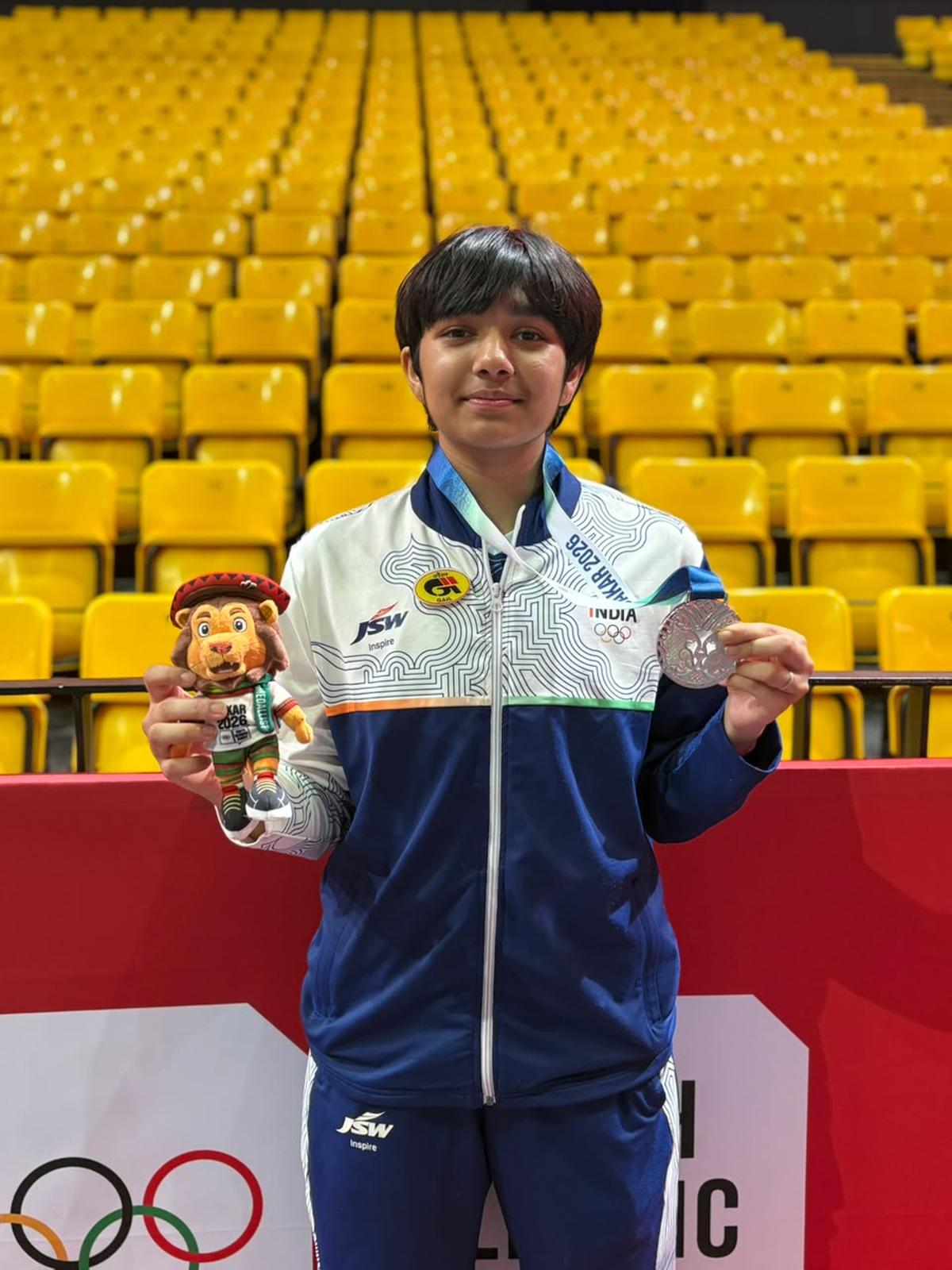
Indian badminton prospect Tanvi Patri has returned from the Youth Olympic Games in Dakar with a landmark silver medal—and a hard-earned lesson in resilience. Her run to the final was impressive on its own, but the circumstances behind it made the achievement even more remarkable: Patri arrived in Senegal after illness, limited training and a demanding recovery from earlier physical setbacks.
The young shuttler ultimately fell in a three-game final to China’s Zhang, the reigning world junior champion. Yet Patri’s performance showed that she could compete under pressure, adjust her tactics during a match and keep fighting when the result was still in doubt. For Indian badminton, her medal offers a promising glimpse of the talent emerging in the junior ranks.
A difficult build-up to the Dakar final
Patri’s preparation was disrupted by illness shortly before the World Junior Championships in Egypt. She said a fever affected her performance there and continued after she returned to India. With little time to recover before travelling to Dakar, she had to balance rest with the need to regain her rhythm on court.
“I took complete rest for one week, practised for just two days and then went to Dakar,” she said during a media interaction. Despite that brief preparation, she was pleased with the way she competed at the Youth Olympics. Her campaign demonstrated the value of staying composed when circumstances are far from ideal—an important quality in a sport where matches can turn quickly.
The conditions in Dakar also presented a challenge. Patri described the athlete accommodation as well organised, but said the heat and humidity were difficult to manage. The absence of air conditioning and the presence of mosquitoes added to the discomfort. For players accustomed to carefully controlled training environments, adapting to unfamiliar weather can affect recovery, concentration and movement.
How the final turned on court position and patience
Patri’s account of the final highlights how changing court conditions can influence badminton tactics. She began well on the slower side of the court, where she felt able to control the rallies. In the second game, however, her opponent used loose cross-court drops toward Patri’s backhand, forcing her to make difficult decisions about whether to move forward or cover the rear court.
“If I left back, I was scared that the shuttle might fall,” she explained. That hesitation can be costly in badminton: a player must read the shuttle early, judge its trajectory and commit to a movement before the opponent’s next shot arrives. When the shuttle lands close to a line, even a fraction of uncertainty can decide a rally.
In the deciding game, Patri tried to reduce unforced errors and bring the contest closer to the net. She also used lifts to make her opponent cover the full court. As the shuttle became slower, she felt that longer rallies and patient placement offered a better chance than forcing a winner too early. The approach produced some success, although the Chinese player also capitalised on key moments.
Patri identified one late opportunity that stayed with her: a smash that missed its intended target. She believes a safer shot could have kept the rally alive and potentially changed the outcome. Her takeaway is practical rather than dramatic: when the score is tight, she wants to play more inside the court and avoid aiming too close to the lines. That kind of reflection can be valuable for a developing player, turning a narrow defeat into a clear training objective.
Chinese roots and a technique-first foundation
Patri’s connection to badminton began in China, where her father worked for Nike. She was about seven and a half when she started playing doubles at a club where he played in the evenings. A Chinese coach noticed her and invited her to train at an academy, where she spent nearly three years.
Her early progress was not immediate. After losing at an open tournament, she performed strongly at the next event a month later and won. That improvement convinced her coaches to focus more seriously on her development. One of them, Xu, taught her to prioritise technique before volume or speed.
His advice was to work carefully on the right actions, master them step by step and avoid rushing through large numbers of shuttle drills without sound fundamentals. Xu passed away last year, but Patri says his teaching continues to shape how she approaches practice. She remains in contact with another former Chinese coach, Wu, and also credits blade skating in China with helping her develop balance and body control.
Building back from injuries at Bengaluru’s badminton academy
Patri moved back to India around 2020 during the COVID-19 period and trained in Odisha for roughly a year and a half. A Chinese coach later recommended that she contact the Prakash Padukone Badminton Academy in Bengaluru. After attending a camp, she was selected to join the programme in 2022 or 2023.
Her progress has included setbacks. She has dealt with a knee problem, a hamstring injury and a back injury earlier this year. Patri says the academy’s coaches have helped her improve her speed and supported her through rehabilitation. Her next priorities include reducing errors on the faster side of the court, improving half-smashes and shot accuracy, and strengthening her overall fitness and health.
That attention to physical preparation is especially important in modern badminton, where players must repeatedly accelerate, brake, lunge and recover across long rallies. For Patri, staying healthy will be central to converting promise into consistent results.
From Youth Olympic silver to long-term ambitions
The Dakar experience has strengthened Patri’s belief that she can stay in a match even when she falls behind. She said the Youth Olympics taught her not to give up on points and to continue giving her best. That mental resilience, combined with the tactical lessons from the final, could prove as important as the medal itself.
Her ambitions are substantial. Over the next two or three years, she hopes to qualify for the Los Angeles 2028 Olympic Games. She has also set targets around the Asian Under-19 Junior Championships and World Junior Championships, while aiming to move into the top 30 and then the top 20 of the BWF rankings. After her recent injuries, however, she is taking a measured approach: her immediate focus is to recover, improve and earn the chance to compete at the highest level.
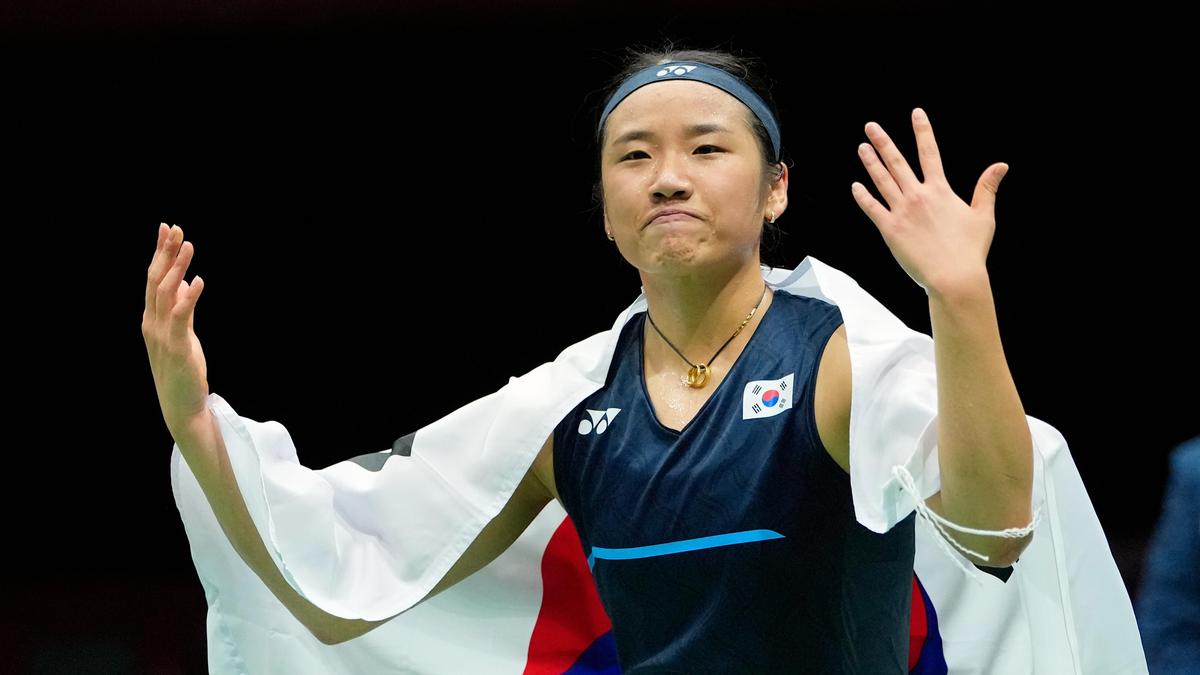
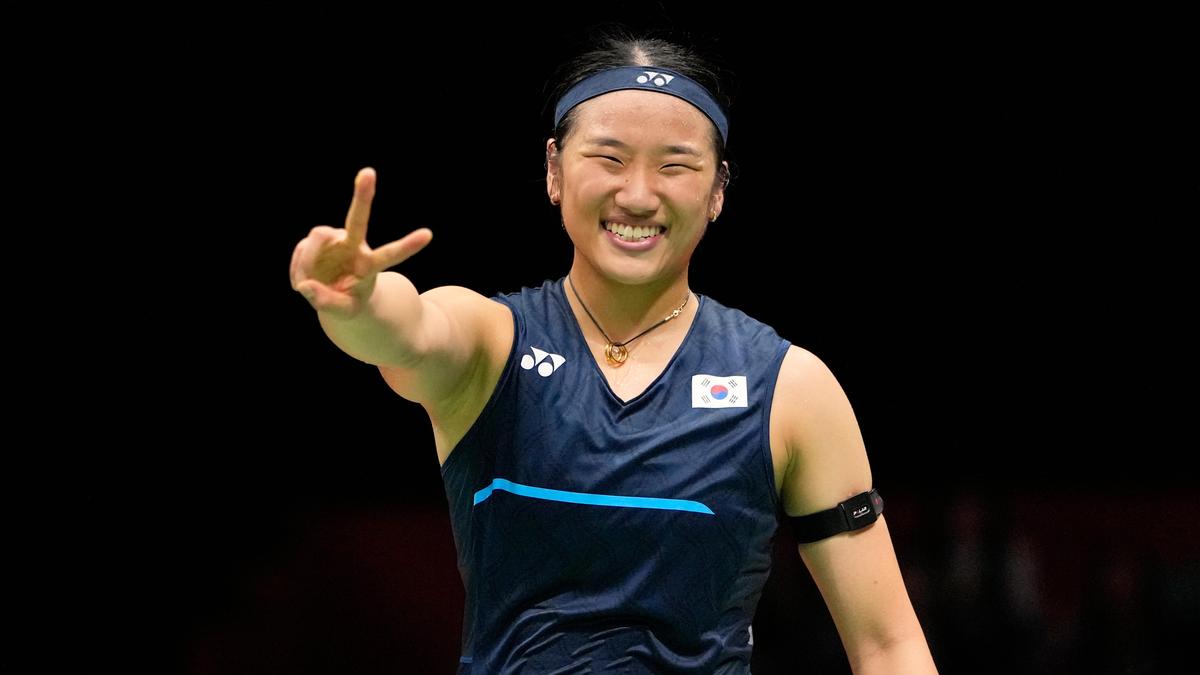
Patri draws inspiration from Viktor Axelsen, Lin Dan, Taufik Hidayat and South Korea’s An Se-young. She admires their discipline, patience and refusal to surrender points, as well as their confident and accurate shot selection. Those qualities echo the lessons she is working to apply in her own game.
A Youth Olympic silver medal does not guarantee future success, but it gives Patri valuable experience against elite junior opposition and a platform for further growth. If she can stay fit, sharpen her decision-making in close finishes and continue building on her technical foundation, India’s latest badminton standout could become a significant presence on the international circuit.