
The Controversy Surrounding Refereeing in Serie A
The issue of refereeing in Serie A has become a major point of contention in recent weeks, with mistakes affecting the league and the ambitions of the 20 teams involved. The Serie A League and the refereeing body have announced plans to hold an open discussion to address the growing concerns.
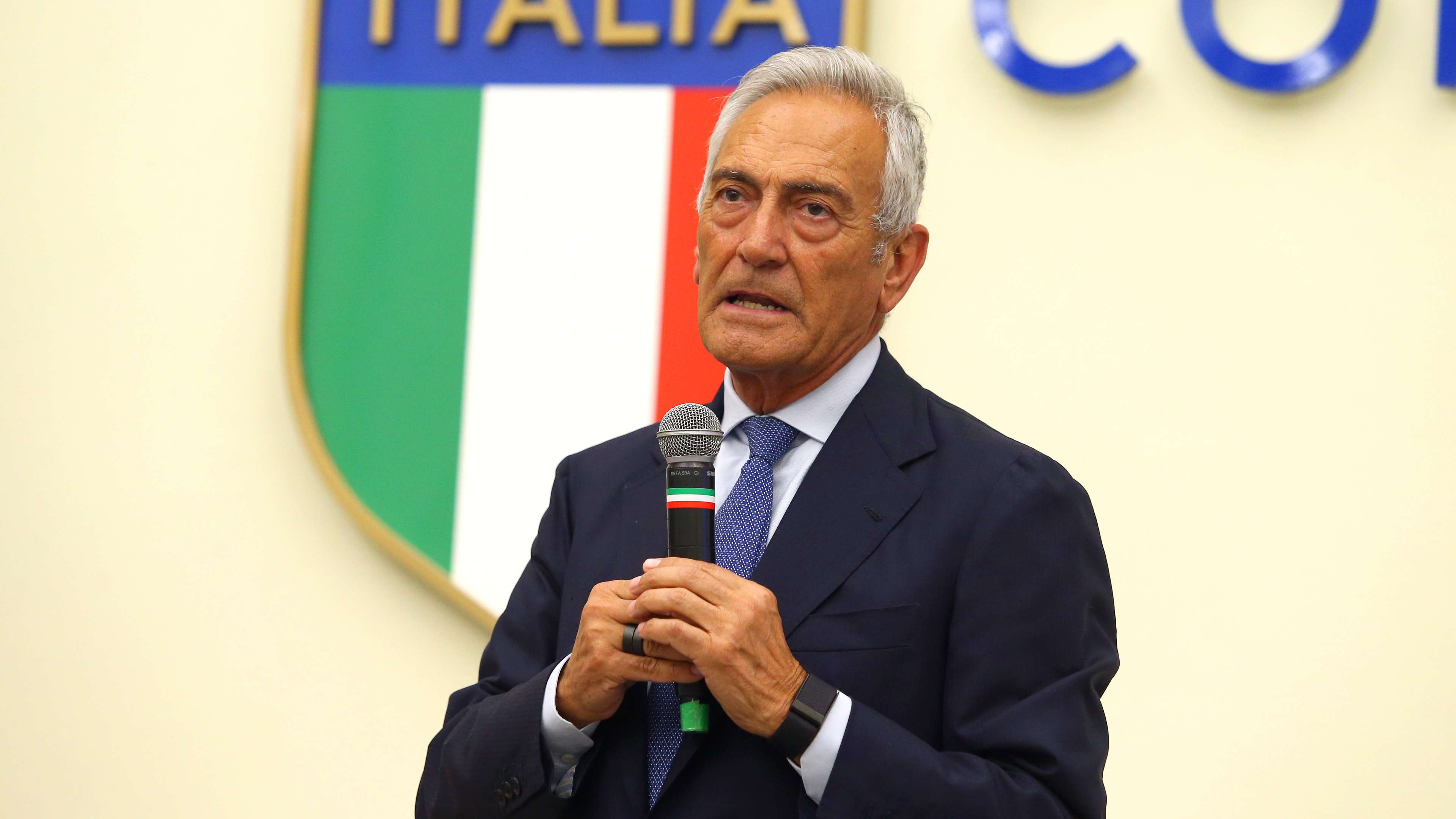
Recently, Gabriele Gravina, president of the Italian Football Federation (FIGC), spoke out in defense of the refereeing community. He highlighted the challenging environment in which referees are expected to operate, describing it as bordering on terror. Gravina expressed his concerns during the Bearzot Award press conference, shedding light on the pressures faced by officials on a weekly basis.
Proposed Changes
One of the key suggestions put forward by the FIGC president is the scrapping of the OpenVar format, which is broadcast on DAZN. This format allows viewers to listen in on the audio from the VAR room and provides commentary on any mistakes made on the pitch. Gravina believes that this level of scrutiny may be contributing to the growing criticism of referees in Serie A.
“The constant spotlight on referees’ decisions is putting immense pressure on them and affecting their ability to officiate matches effectively,” Gravina stated. “We need to consider whether the OpenVar format is beneficial or if it is adding to the already high-stress levels faced by referees.”
Seeking Solutions
In response to the ongoing debate, the Serie A League and the refereeing body have agreed to engage in discussions to find solutions that will enhance the officiating standards in the league. The goal is to address the concerns raised by clubs, players, and fans regarding the consistency and accuracy of refereeing decisions.
One proposed solution is the introduction of additional training and support for referees to help them navigate the challenges of modern football. This could involve implementing new technology or refining existing protocols to ensure that referees have the necessary tools to make informed decisions during matches.
Looking Ahead
As Serie A continues to be plagued by refereeing controversies, the FIGC and other stakeholders are committed to finding ways to improve the situation. The upcoming discussions are expected to shed light on the root causes of the issues facing referees and pave the way for meaningful changes that will benefit the league as a whole.
Ultimately, the goal is to restore confidence in the officiating standards in Serie A and ensure that the focus remains on the excitement and competitiveness of the football on the pitch. By working together, the league, the FIGC, and the refereeing body hope to create a more positive environment for referees to thrive in and enhance the overall experience for players and fans alike.
The Role of Technology in Refereeing
One of the key factors influencing the debate on refereeing in Serie A is the role of technology in officiating matches. The introduction of VAR (Video Assistant Referee) has been both praised for its ability to correct clear errors and criticized for its impact on the flow and pace of the game. While VAR has undoubtedly improved the accuracy of decisions, there are concerns about how it is implemented and its impact on the overall match experience.
Some argue that the reliance on VAR has shifted the focus away from the on-field officials, eroding their authority and contributing to a culture of constant scrutiny. The OpenVar format, in particular, has exposed referees to intense criticism and heightened pressure, potentially affecting their performance on the pitch. Finding the right balance between technology and human judgment remains a challenge for Serie A and other leagues worldwide.
The Psychological Toll on Referees
Beyond the technical aspects of refereeing, it is essential to consider the psychological toll that the job takes on officials. Referees in Serie A face immense scrutiny from fans, players, coaches, and the media, with every decision subject to intense analysis and critique. This constant pressure can impact their confidence, decision-making, and overall mental well-being.
Training and support programs for referees must address not only the technical aspects of officiating but also the mental and emotional challenges they face. Building resilience, coping strategies, and a strong support network can help referees navigate the demanding environment of professional football and perform at their best under pressure.
The Impact on Football Predictions
Refereeing controversies in Serie A can also have a significant impact on football predictions and betting markets. The accuracy and consistency of refereeing decisions play a crucial role in determining match outcomes, influencing the success of predictions made by fans, analysts, and bookmakers. When refereeing errors or inconsistencies occur, they can disrupt the integrity of the game and create uncertainty for those who rely on predictions for enjoyment or financial gain.
By addressing the challenges facing referees in Serie A, the league and the FIGC have an opportunity to enhance the reliability and fairness of officiating, ultimately benefiting not only the teams and players but also the broader football community. Improving the quality of refereeing in Serie A can lead to more accurate predictions, increased trust in the integrity of the sport, and a more enjoyable experience for all stakeholders involved.
Conclusion
As the debate on refereeing in Serie A continues to unfold, it is clear that there are multiple factors at play, from technology and training to psychology and prediction accuracy. By engaging in open discussions, exploring innovative solutions, and prioritizing the well-being of referees, the league can work towards a more positive and sustainable officiating environment.
Ultimately, the goal is to uphold the integrity of the game, provide a fair and consistent experience for all participants, and ensure that the focus remains on the excitement and passion of football in Serie A. By addressing the controversies surrounding refereeing, the league can move towards a brighter future where officiating enhances the spectacle of the game rather than detracting from it.