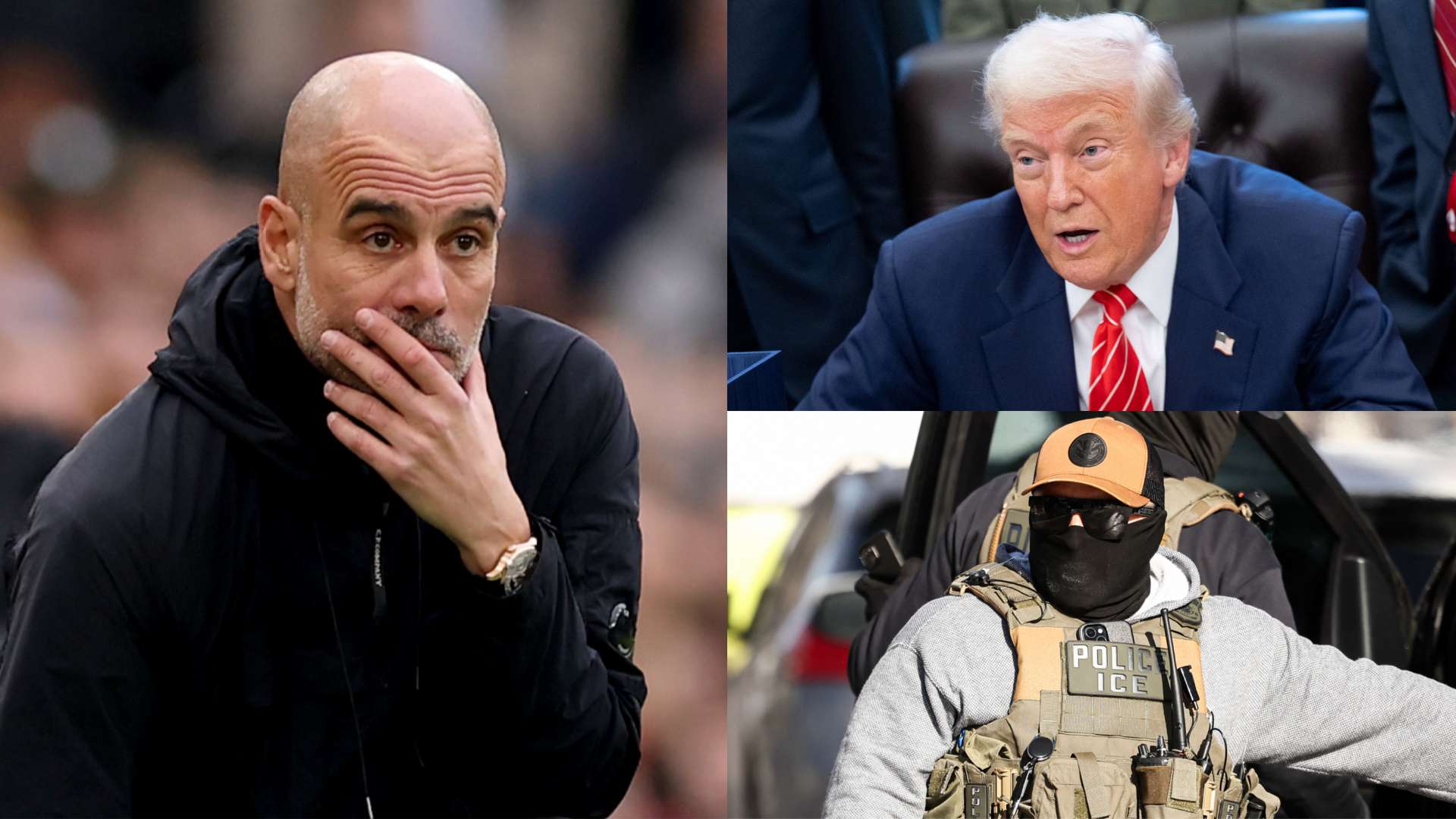

Manchester City manager, Pep Guardiola, recently made headlines for his strong condemnation of the U.S. president Donald Trump’s administration. Guardiola did not hold back during a press conference, where he addressed the tragic deaths of Renee Good and nurse Alex Pretti at the hands of ICE agents. The renowned football manager used this platform to express his concerns about human rights violations and the treatment of migrants.
Guardiola’s impassioned speech shed light on the pressing issues of our time, calling out what he described as “genocide” in Palestine. The manager emphasized the importance of showing compassion towards migrants who are risking their lives to cross the English Channel. His words resonated with many, sparking discussions about the role of world leaders in promoting human rights and social justice.
The Manchester City manager’s rare foray into politics and social issues comes at a time when the world is facing numerous challenges. Guardiola’s decision to speak out against injustice demonstrates his commitment to using his platform for good, even if it means stepping outside the realm of football.
In his address, Guardiola urged people to reflect on the values of empathy and compassion, reminding everyone of the shared humanity that binds us all. His words serve as a powerful reminder that football is not just a game but a platform for promoting important social causes.
As a well-respected figure in the world of football, Guardiola’s words carry weight and influence. His stance on human rights issues has sparked conversations not only within the football community but also among political leaders and activists worldwide. By speaking out against injustice, Guardiola has shown that he is not only a successful football manager but also a compassionate and socially conscious individual.
The Manchester City manager’s criticism of the Trump administration has drawn both praise and criticism from various quarters. While some applaud Guardiola for using his platform to speak out against injustice, others have questioned his decision to wade into political waters. However, Guardiola’s commitment to advocating for human rights and social justice remains unwavering.
In a world plagued by division and inequality, Guardiola’s message serves as a beacon of hope and solidarity. His call for empathy and compassion resonates with those who believe in a more just and equitable society. As the football world continues to grapple with social issues, Guardiola’s words remind us of the power of speaking out against injustice and standing up for what is right.
In conclusion, Pep Guardiola’s impassioned speech at the press conference has sparked important conversations about human rights, migration, and social justice. His message serves as a reminder that football has the power to inspire change and promote unity. Guardiola’s words have left a lasting impact on both the football community and the broader society, reinforcing the idea that sports can be a catalyst for positive social change.
Football Manager Pep Guardiola’s Advocacy for Social Issues
Pep Guardiola, the esteemed manager of Manchester City, has often been lauded for his tactical prowess and success on the football pitch. However, his recent outspokenness on social issues has garnered significant attention and praise from fans and critics alike. Guardiola’s strong condemnation of the Trump administration’s treatment of migrants and human rights violations reflects his deep commitment to using his platform for the greater good.
Beyond his achievements in football, Guardiola is demonstrating that prominent figures in sports can play a vital role in advocating for social justice. By speaking out against injustice, he is challenging the status quo and inspiring others to take a stand on important issues. In a world where athletes and coaches are often urged to remain apolitical, Guardiola’s bold stance serves as a reminder of the power of using one’s voice for positive change.
The intersection of sports and politics is not new, but Guardiola’s impassioned plea for empathy and compassion has reignited discussions about the responsibilities of public figures in addressing societal challenges. As a respected leader in the football community, Guardiola’s words carry weight and influence, shaping conversations and perceptions beyond the realm of sports.
In the face of global crises and growing inequalities, Guardiola’s message resonates with many who are seeking a more compassionate and just society. His call for solidarity and human rights serves as a rallying cry for those who believe in the transformative power of collective action. Guardiola’s activism transcends the boundaries of the football pitch, embodying the spirit of social responsibility and advocacy for marginalized communities.
As debates around migration, human rights, and social justice continue to unfold, Guardiola’s advocacy stands as a beacon of hope and inspiration. His unwavering commitment to speaking out against injustice sets an example for others in positions of influence to use their platforms for meaningful change. Guardiola’s actions remind us that sports can be a catalyst for raising awareness, promoting dialogue, and driving progress on pressing societal issues.
In a world where divisions seem to grow deeper, Guardiola’s message serves as a reminder of our shared humanity and the urgency of standing up for what is right. By amplifying voices that are often marginalized or silenced, Guardiola is amplifying the call for a more equitable and inclusive society. Through his actions, he is not only shaping the narrative around football but also contributing to a broader conversation about social change and collective responsibility.
In conclusion, Pep Guardiola’s advocacy for social issues transcends the boundaries of the football field, challenging stereotypes and expectations of sports figures. His unwavering commitment to human rights, empathy, and compassion serves as a powerful reminder of the transformative potential of sports in addressing pressing societal challenges. Guardiola’s bold stance reminds us that athletes and coaches can be agents of change, shaping a more just and equitable world through their actions and words.