
Pep Guardiola Blasts English Football Officiating
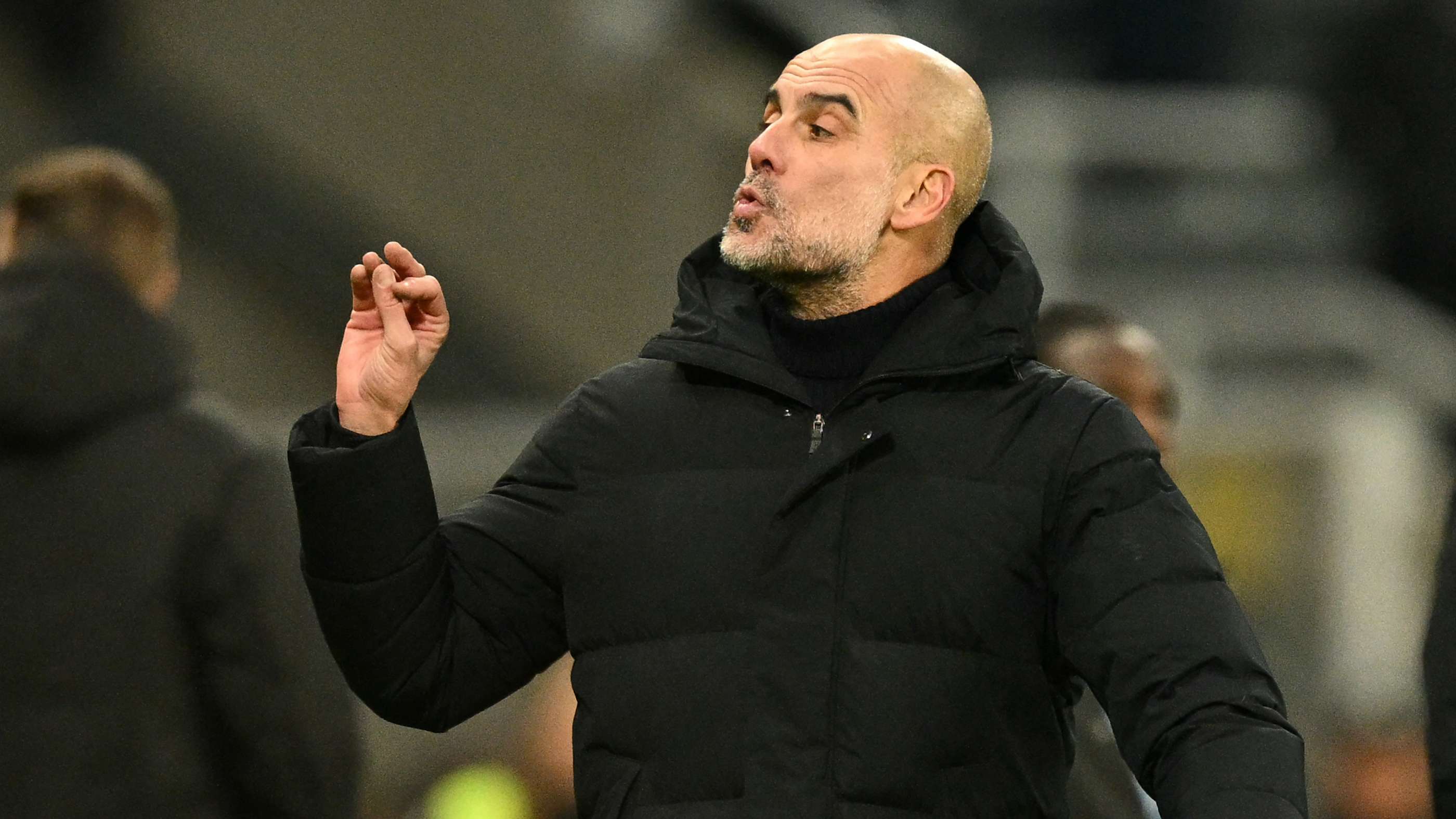
Manchester City manager Pep Guardiola has unleashed a scathing criticism of the officiating standards in English football. The Catalan coach demanded a personal explanation from Howard Webb, the chief of the Professional Game Match Officials Limited (PGMOL), following a controversial VAR review during City’s recent match against Newcastle United.
Despite Manchester City cruising to a comfortable 2-0 victory over Newcastle, Guardiola was left fuming after a goal from Antoine Semenyo was disallowed. This incident has reignited a longstanding feud over past injustices suffered by Manchester City, including their heartbreaking defeat in last season’s FA Cup final.
Guardiola’s Outburst
Guardiola’s frustration with the officiating boiled over as he criticized the consistency and competence of referees in the English game. The VAR decision to overturn Semenyo’s goal left Guardiola questioning the integrity of the officials and their understanding of the rules.
The Manchester City boss called for a personal explanation from Howard Webb, the head of PGMOL, in a bid to seek clarity on the decision-making process that led to the controversial call. Guardiola’s outburst reflects the growing discontent among managers, players, and fans towards the use of VAR in the English game.
Reigniting Past Feuds
The disallowed goal against Newcastle has reopened old wounds for Guardiola and Manchester City, who feel they have been on the wrong end of several contentious decisions in recent years. The memory of their bitter defeat in the FA Cup final last season still lingers, adding fuel to Guardiola’s fiery criticism.
Guardiola’s attack on the officiating standards in English football is not an isolated incident but rather a culmination of frustrations that have been building up over time. The perceived inconsistencies and inaccuracies in VAR decisions have cast a shadow over the game, leading to calls for a review of the system.
Impact on English Football
Guardiola’s public criticism of the officiating in English football has sparked a debate within the footballing community. The controversy surrounding VAR and the decisions made by referees have raised concerns about the credibility of the game and the impact on the outcome of matches.
As one of the most high-profile managers in English football, Guardiola’s words carry weight and could prompt a reevaluation of the officiating standards in the game. The call for transparency and accountability from PGMOL reflects a growing demand for greater clarity and consistency in decision-making.
In conclusion, Pep Guardiola’s furious attack on the standard of officiating in English football highlights the deep-rooted issues in the game that need to be addressed. The controversy surrounding VAR and referee decisions is a major talking point that could shape the future of the sport in England.
Refereeing in Football: A Crucial Aspect of the Game
Refereeing in football is a critical aspect that can often determine the outcome of matches. The role of referees and their decisions have a direct impact on the players, managers, and fans, shaping the narrative of the game. With the introduction of VAR in recent years, the scrutiny on officiating has only intensified, leading to more controversies and debates surrounding key moments in matches.
The Evolution of VAR in Football
VAR, or Video Assistant Referee, was introduced to help referees make more accurate decisions by utilizing video technology to review key incidents during matches. While the intention behind VAR was to reduce errors and eliminate controversies, its implementation has been met with mixed reactions. Critics argue that VAR has not only failed to achieve its objectives but has also added a layer of complexity and confusion to the game.
The use of VAR has led to delays in matches, as referees consult video replays to make decisions, disrupting the flow of the game. Additionally, the interpretation of VAR decisions has been inconsistent, with different referees applying the technology in varying ways. This lack of uniformity has fueled frustration among managers, players, and fans, who are left questioning the reliability of the system.
The Human Element in Officiating
While VAR aims to reduce human errors in refereeing, it cannot completely eliminate the subjective nature of decision-making in football. Referees, like players, are prone to making mistakes, and the pressure of officiating high-stakes matches can further complicate their judgment. The emotional intensity of the game, coupled with the fast-paced action on the field, makes officiating a challenging task that requires a balance of skill, experience, and composure.
The Need for Transparency and Accountability
Guardiola’s demand for a personal explanation from Howard Webb underscores the need for greater transparency and accountability in refereeing decisions. By engaging in dialogue with the head of PGMOL, Guardiola is advocating for clarity and consistency in the decision-making process, which is essential for maintaining the integrity of the game.
In order to address the concerns surrounding officiating in English football, there is a growing consensus that PGMOL needs to be more proactive in addressing issues related to VAR and referee decisions. By promoting open communication and providing insight into the decision-making process, PGMOL can help build trust and confidence in the officiating standards of the game.
Looking Ahead: The Future of Officiating in Football
As football continues to evolve, the role of officiating will remain a crucial aspect that requires constant evaluation and improvement. The implementation of technology like VAR is a step towards enhancing the accuracy of decisions, but it is equally important to preserve the human element in refereeing, which adds a layer of unpredictability and excitement to the game.
By fostering a culture of transparency, accountability, and continuous improvement, football authorities can address the challenges surrounding officiating and create a more equitable and fair playing field for all stakeholders. The dialogue initiated by Guardiola’s criticism highlights the importance of addressing these issues and striving for excellence in the officiating standards of the game.
In conclusion, the debate surrounding officiating in football is a complex and multifaceted issue that requires a collaborative effort from all stakeholders to ensure fairness, integrity, and credibility in the sport. As the game continues to evolve, it is imperative to prioritize the improvement of officiating standards to uphold the spirit of competition and uphold the values of sportsmanship in football.