
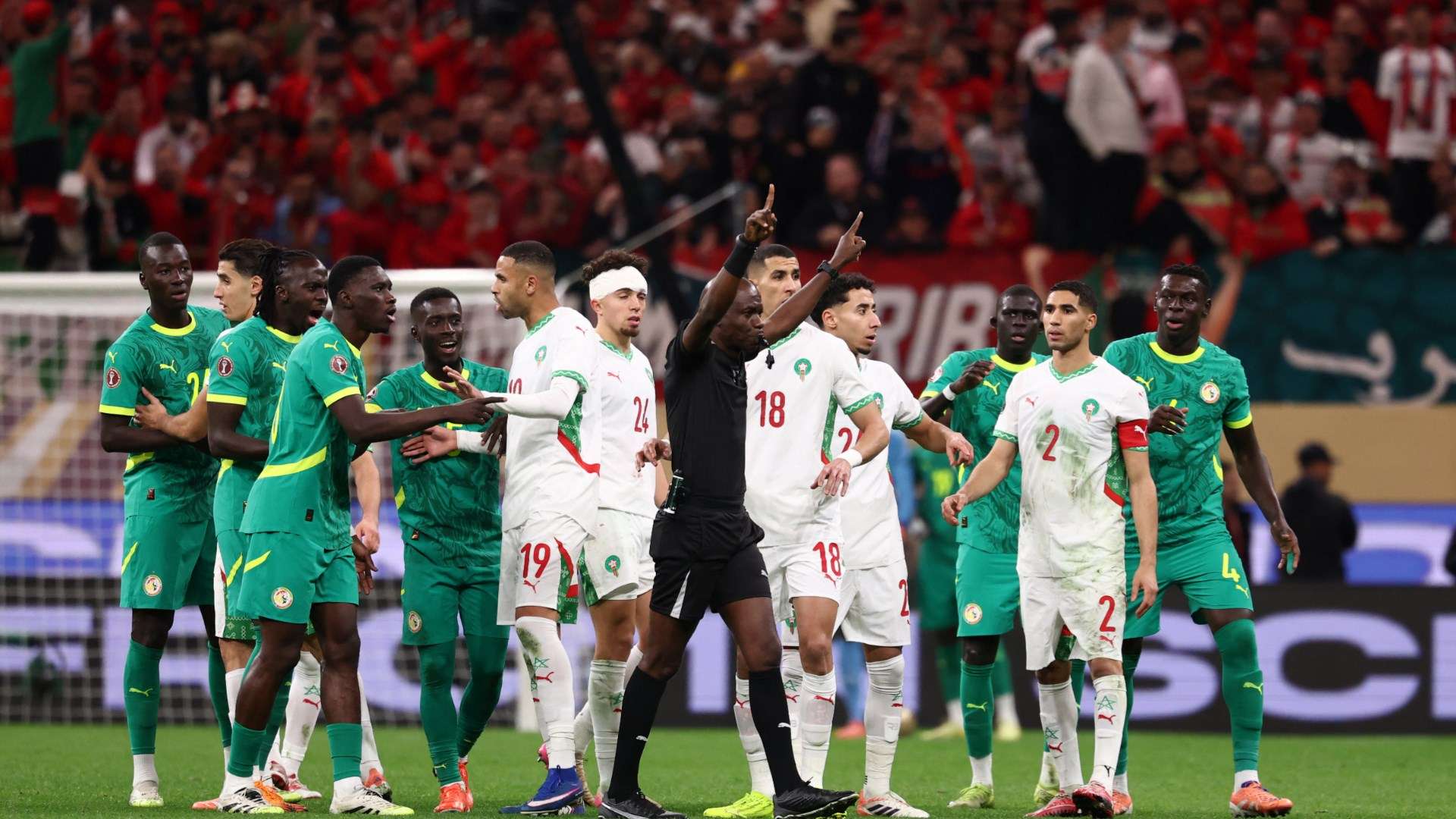

The Africa Cup of Nations Reignites Old Controversies
The recent decision to award the 2026 Africa Cup of Nations to Morocco has stirred up old wounds and sparked controversy across the continent. The Confederation of African Football’s choice has reignited a long-standing dispute between Senegal and Morocco, with implications dating back to the 1976 tournament.
The Senegal-Morocco Rivalry
The competition between Senegal and Morocco has a deep-rooted history, marked by intense matches and disputed outcomes. The latest chapter in this rivalry unfolded just 58 days after Senegal’s defeat to Morocco in the final. This decision has left many questioning the fairness and transparency of the selection process.
The Guinea Football Federation’s Response
Not to be overshadowed by Senegal and Morocco, the Guinea Football Federation has also entered the fray with a counter-attack. The 1976 Africa Cup of Nations is now under scrutiny, particularly a pivotal match between Guinea and Morocco that has long been a point of contention.
In Addis Ababa, during the tournament under the old format featuring a final group stage, Guinea faced off against Morocco in a match that would determine the champion. Guinea needed a win to secure the title, while Morocco only required a draw. The match took a dramatic turn when Guinea took the lead, prompting Morocco to walk off the pitch in protest of a refereeing decision.
After a delay of more than ten minutes, Morocco returned to play, and the match ended in a 1-1 draw, ultimately handing the title to Morocco. The controversial circumstances surrounding this match have lingered for decades, and the Guinea Football Federation is now seeking justice and a reevaluation of the outcome.
The Impact on African Football
This latest controversy has once again brought to light the complexities and challenges within African football governance. The decision-making process of the Confederation of African Football has come under scrutiny, with calls for greater transparency and accountability in future tournaments.
As the Africa Cup of Nations continues to be a pinnacle event for African football, it is essential for all parties involved to uphold the values of fairness and integrity. The ongoing debates and disputes serve as a reminder of the passion and stakes involved in the beautiful game.
With the 2026 tournament now set to take place in Morocco, the spotlight will be on the host nation to deliver a competition that is free from controversy and upholds the spirit of sportsmanship.
In conclusion, the Africa Cup of Nations is not just a tournament but a reflection of the rich history and rivalries that define African football. The recent decision regarding Senegal, Morocco, and Guinea serves as a reminder of the passion and complexity that make the sport so captivating and unpredictable. As the continent prepares for another thrilling edition of the tournament, the focus remains on ensuring fairness, transparency, and respect for the game.
Significance of the Africa Cup of Nations
The Africa Cup of Nations holds a special place in the hearts of football fans across the continent. It not only showcases the immense talent and skill of African players but also serves as a platform for countries to come together in the spirit of competition and camaraderie. The tournament has a rich history dating back to its inception in 1957, with each edition adding new chapters to the story of African football.
Over the years, the Africa Cup of Nations has witnessed intense rivalries, dramatic moments, and unexpected upsets that have captivated audiences worldwide. From last-minute goals to underdog victories, the tournament never fails to deliver excitement and entertainment. The competition also provides a stage for emerging talents to shine and make a name for themselves on the international scene.
The Evolution of African Football
As African football continues to grow and evolve, so do the challenges and controversies that come with it. Issues such as match-fixing, corruption, and governance have plagued the sport in the past, prompting calls for reform and accountability. The recent disputes surrounding the selection of host countries and historical grievances only serve to highlight the complexities of managing a continental tournament of this scale.
Despite the challenges, African football has made significant strides in recent years, with increased investment in infrastructure, youth development, and grassroots programs. Countries like Senegal, Nigeria, and Egypt have emerged as powerhouses in African football, competing on the global stage and showcasing the talent and potential that the continent has to offer.
The Role of Football in African Society
Football is more than just a game in Africa; it is a symbol of unity, pride, and resilience. The sport has the power to transcend borders, languages, and cultures, bringing people together in celebration and solidarity. From packed stadiums to lively street corners, football is ingrained in the fabric of African society, serving as a source of joy and inspiration for millions of fans.
Through the Africa Cup of Nations and other competitions, African football continues to inspire and uplift communities, providing a sense of hope and belonging to people from all walks of life. The tournament not only showcases the athletic prowess of the players but also celebrates the rich diversity and heritage of the continent.
Looking Ahead
As the countdown to the 2026 Africa Cup of Nations begins, all eyes will be on Morocco to deliver a memorable and successful tournament. The host nation will have the opportunity to showcase its culture, hospitality, and passion for football on the global stage. Fans from across Africa and beyond will come together to witness the best teams compete for glory and write the next chapter in the history of African football.
While controversies and rivalries may continue to simmer, the spirit of the game will prevail, reminding us of the enduring power of football to unite, inspire, and entertain. As the Africa Cup of Nations reignites old debates and sparks new conversations, one thing remains certain – the love for the beautiful game will always triumph in the end.
By delving into the complexities, significance, and impact of the Africa Cup of Nations, we gain a deeper appreciation for the sport and its profound influence on African society. The tournament serves as a testament to the resilience, passion, and talent that define football on the continent, shaping the future of the game for generations to come.