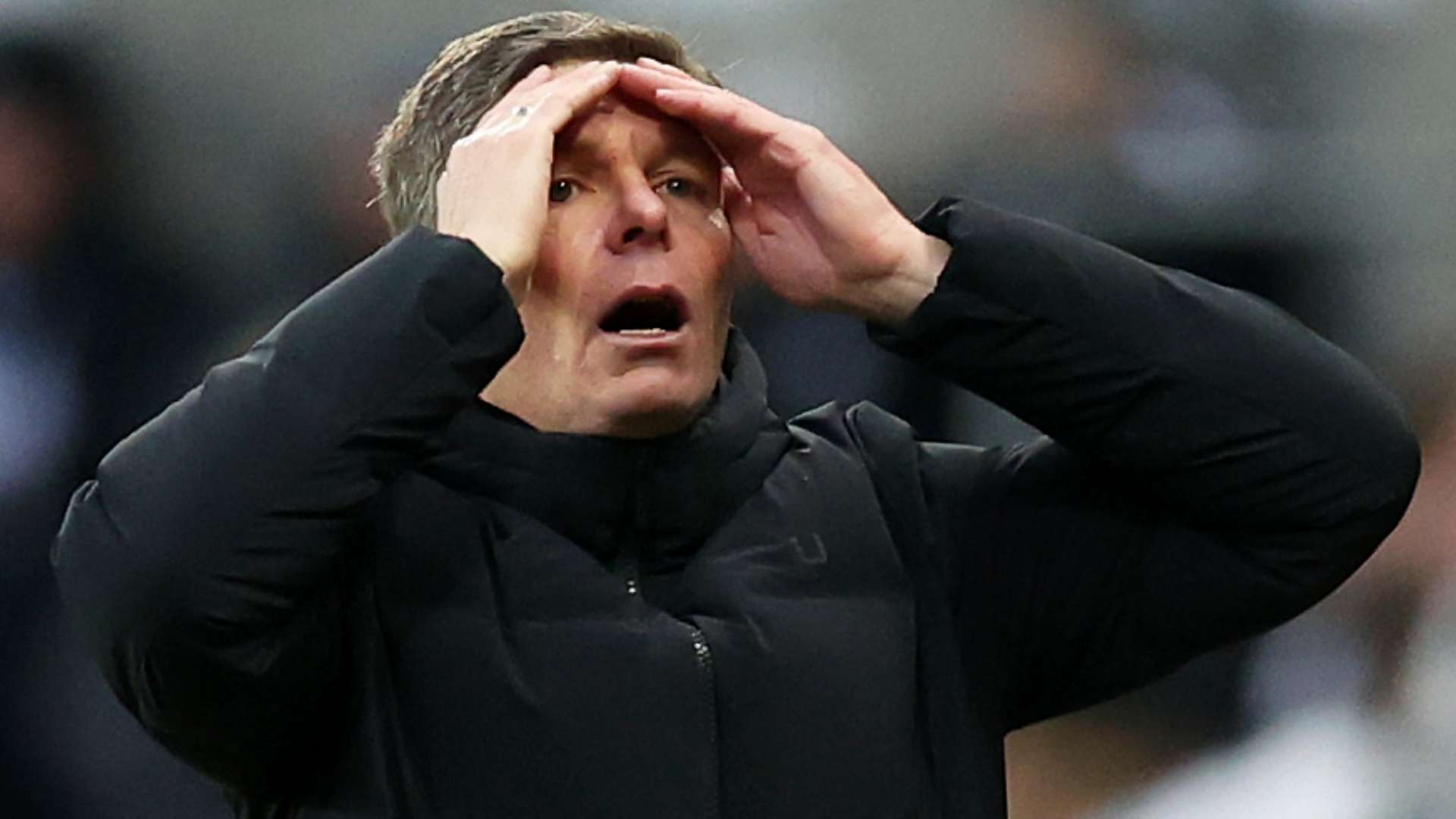

Crystal Palace manager Oliver Glasner’s hopes of landing the coveted managerial position at Manchester United may have taken a hit, as he has reportedly received a cautionary “stepping stone” warning. The Austrian coach was once seen as a frontrunner to succeed Ruben Amorim at Old Trafford, but former Premier League striker Clinton Morrison has shed light on why Glasner may need to reconsider his ambitions.
According to reports, Glasner’s outspoken nature and candid remarks may have worked against him in the eyes of Manchester United’s decision-makers. Despite his credentials and coaching acumen, it seems that his approach may not align with the club’s desired image and values. This revelation comes as a surprise to many in the footballing world, who viewed Glasner as a strong candidate for the high-profile position.
Morrison, a respected pundit and commentator, has offered insights into the situation, suggesting that Glasner’s candid nature may have rubbed some people the wrong way. In an interview with GOAL, Morrison explained why he believes Glasner’s path to the top job at Manchester United may not be as straightforward as initially thought.
“It’s clear that Oliver Glasner has the credentials and experience to manage a top club like Manchester United. However, sometimes being too outspoken can be a double-edged sword in the world of football. While honesty and transparency are valued traits, they must be tempered with diplomacy and tact, especially when vying for a prestigious role like this,” Morrison stated.
The warning given to Glasner serves as a reminder that the footballing world is not just about tactical knowledge and coaching prowess but also about diplomacy, communication, and image management. In the cutthroat world of elite football management, perception often plays a crucial role in determining one’s suitability for a high-profile position.
As Glasner contemplates his next career move, it is evident that he may need to reassess his approach and perhaps take a more strategic and calculated route to achieving his managerial aspirations. While the allure of managing a club like Manchester United is undoubtedly strong, it may require a more nuanced and diplomatic approach than initially anticipated.
In conclusion, Oliver Glasner’s journey towards the top managerial post at Manchester United may have hit a roadblock, but it is not necessarily the end of the road for the talented coach. With the right adjustments and a more measured approach, Glasner may still fulfill his ambitions and carve out a successful career in the competitive world of football management. Only time will tell whether he can overcome this setback and emerge stronger from the experience.
Strategic and Diplomatic Considerations in Football Management
In the world of top-tier football management, the balancing act between tactical acumen and interpersonal skills is crucial. While Oliver Glasner’s coaching abilities are not in question, his recent cautionary warning from Manchester United serves as a stark reminder of the importance of diplomacy and image management in the competitive realm of elite football.
It is not uncommon for managers to be judged not only based on their on-field results but also on their ability to navigate the complexities of media relations, player management, and club dynamics. In the case of Glasner, his candid nature may have inadvertently alienated key decision-makers at Manchester United, highlighting the delicate dance that managers must perform to secure coveted positions at top clubs.
In today’s football landscape, where every word and action is scrutinized under the media microscope, the ability to communicate effectively and project the right image is essential. Managers must strike a delicate balance between honesty and discretion, transparency and tact, in order to cultivate positive relationships with stakeholders and create a harmonious environment within the club.
While the allure of managing a historic club like Manchester United may be strong, Glasner’s cautionary tale serves as a valuable lesson for aspiring managers seeking to climb the ranks of elite football management. It is not enough to possess technical knowledge and coaching prowess; one must also possess the emotional intelligence and diplomatic finesse required to navigate the intricate web of relationships that define the modern footballing landscape.
As Glasner reflects on his next career move, it is imperative that he considers how to adapt his approach to better align with the expectations and values of top clubs. By honing his diplomatic skills, refining his communication strategies, and carefully managing his public image, Glasner may yet find himself back on the path to securing a prestigious managerial position in the future.
In conclusion, the cautionary warning received by Oliver Glasner serves as a stark reminder of the multifaceted nature of football management. Success in this arena requires more than just tactical know-how; it demands a nuanced understanding of interpersonal dynamics, media relations, and club culture. By embracing these lessons and adapting his approach accordingly, Glasner may still find himself at the helm of a top club in the future, ready to lead with a blend of strategic acumen and diplomatic finesse.