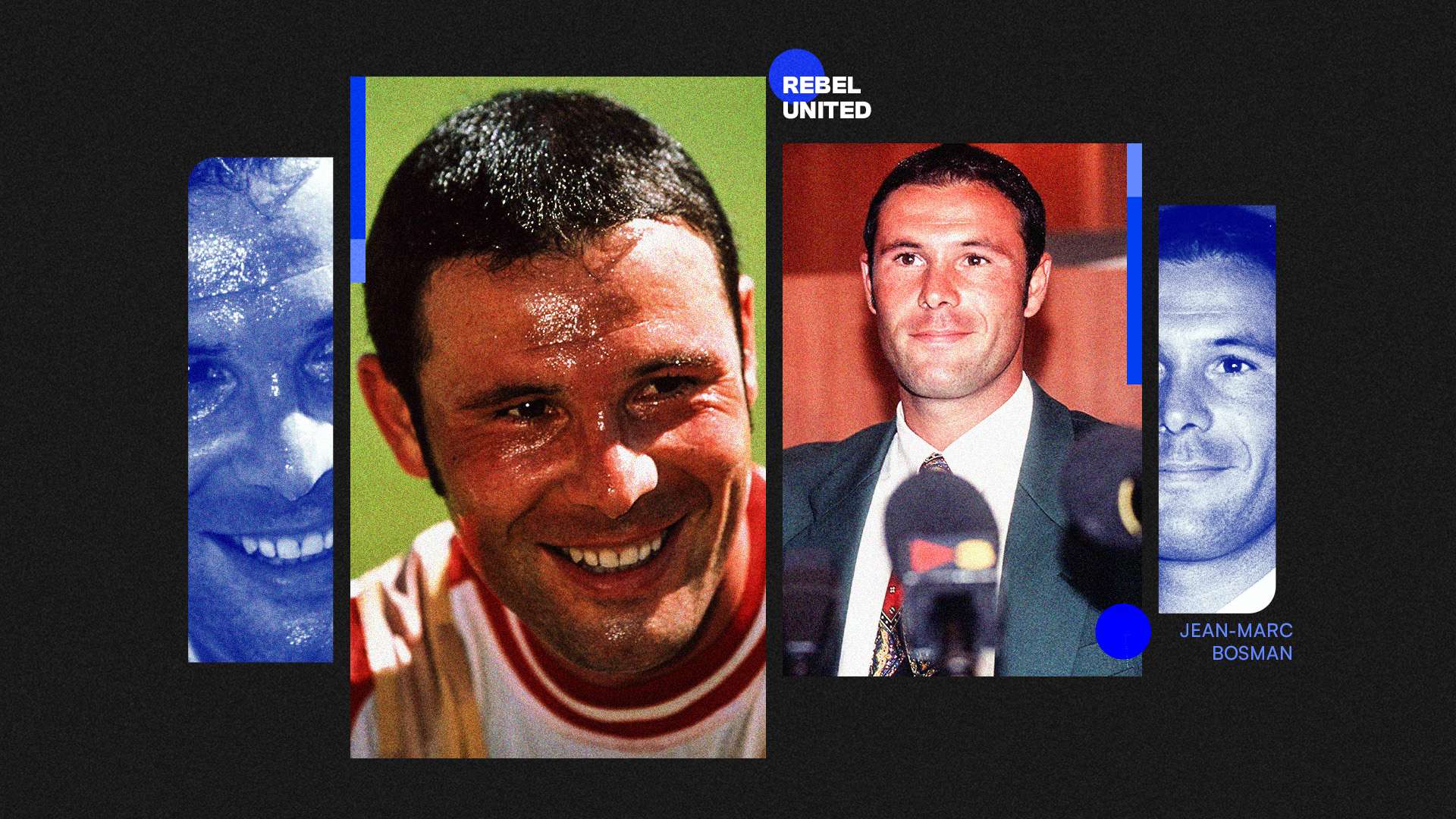

The Untold Story of Jean-Marc Bosman: The Man Who Changed Football Forever
In 1995, the football world was forever changed by a landmark decision known as the Bosman ruling. This ruling revolutionized the sport, shifting the balance of power from clubs to players and accelerating the professionalization of football. However, few people remember the player whose case triggered this monumental change.
The Beginning of a Revolution
Jean-Marc Bosman, an average attacking midfielder, found himself at the center of a legal battle that would reshape football history. Bosman, who rose through the ranks of Standard Liège’s youth setup, saw his career take a turbulent turn when his contract with Belgian first-division side RFC Liège expired in 1990. Despite his desire to move to French second-division club USL Dunkerque, RFC Liège demanded a hefty transfer fee that the French club was unwilling to pay.
Left with no other options, Bosman sacrificed his professional status, re-registered as an amateur, and walked out of RFC Liège. This act of rebellion set off a chain of events that would ultimately lead to the European Court of Justice and the landmark Bosman ruling.
The Legal Battle
Bosman’s fight for justice was met with resistance from clubs and football associations who feared the potential impact of the ruling. UEFA President Lennart Johansson and FIFA General Secretary Sepp Blatter opposed the idea of free movement for players, arguing that it would destroy club football. Despite their efforts, in December 1995, the European Court of Justice delivered a historic ruling that changed the landscape of football forever.
The Aftermath
Before the Bosman ruling, players were essentially owned by clubs, with little control over their careers. After the ruling, players gained the freedom to move once their contracts expired, leading to soaring wages and increased player power. The ruling also opened up opportunities for players from the EU to join clubs without restrictions.
While the Bosman ruling enriched countless players and transformed the game, Jean-Marc Bosman himself received little benefit from his legal battle. Despite playing a few more matches for Belgian second-division side RSC Visé and receiving compensation for the premature end of his career, Bosman struggled financially and faced personal challenges.
A Forgotten Hero
Today, Jean-Marc Bosman remains a man without a face, overshadowed by the ruling that bears his name. Despite the impact he had on the sport, Bosman feels a sense of unrecognition and disappointment. While he may not launch another legal battle, his legacy lives on in the freedoms and opportunities that players enjoy today.
As football continues to evolve, it’s important to remember the untold stories of individuals like Jean-Marc Bosman, whose actions shaped the game we know and love today.
Impact on Player Power and Transfer Market
One of the most significant consequences of the Bosman ruling was the increase in player power within the football industry. Prior to the ruling, clubs held most of the leverage in player contracts and transfers, often dictating terms and fees without much consideration for the player’s desires. However, with the newfound freedom for players to move at the end of their contracts, players gained more control over their careers and the ability to negotiate better deals.
This shift in power dynamics also had a profound impact on the transfer market. Clubs now had to be more strategic in their player recruitment and contract negotiations to avoid losing valuable assets for free. The rise of Bosman transfers, where players could move without a transfer fee at the end of their contracts, became a common occurrence in the football world. This changed the way clubs approached player contracts, leading to shorter contract durations and increased player salaries to compensate for the potential loss of transfer fees.
Globalization of Football
Another significant consequence of the Bosman ruling was the globalization of football talent. With the freedom for players from European Union countries to move to clubs across the continent without restrictions, the diversity and quality of players in different leagues increased significantly. This led to a more competitive landscape in European football, with clubs having access to a wider pool of talent to strengthen their squads.
Furthermore, the Bosman ruling paved the way for the influx of foreign players into leagues outside of the European Union. As clubs sought to capitalize on the talent pool available worldwide, the ruling indirectly contributed to the globalization of football and the emergence of a truly international sport.
Legacy of Jean-Marc Bosman
While Jean-Marc Bosman may have faced personal challenges and financial struggles following his legal battle, his impact on the football world cannot be overstated. The ruling that bears his name fundamentally altered the structure of the sport, empowering players and reshaping the transfer market. Despite the lack of recognition he may feel, Bosman’s legacy lives on in the freedoms and opportunities that players enjoy today.
It is important to recognize the contributions of individuals like Jean-Marc Bosman, whose actions have had lasting effects on the game of football. As the sport continues to evolve, it is crucial to remember the untold stories and the individuals who have played a pivotal role in shaping its history.
Ultimately, the Bosman ruling stands as a testament to the power of one man to spark significant change in an entire industry. Jean-Marc Bosman may not have reaped the rewards of his battle, but his legacy will forever be etched in the annals of football history.