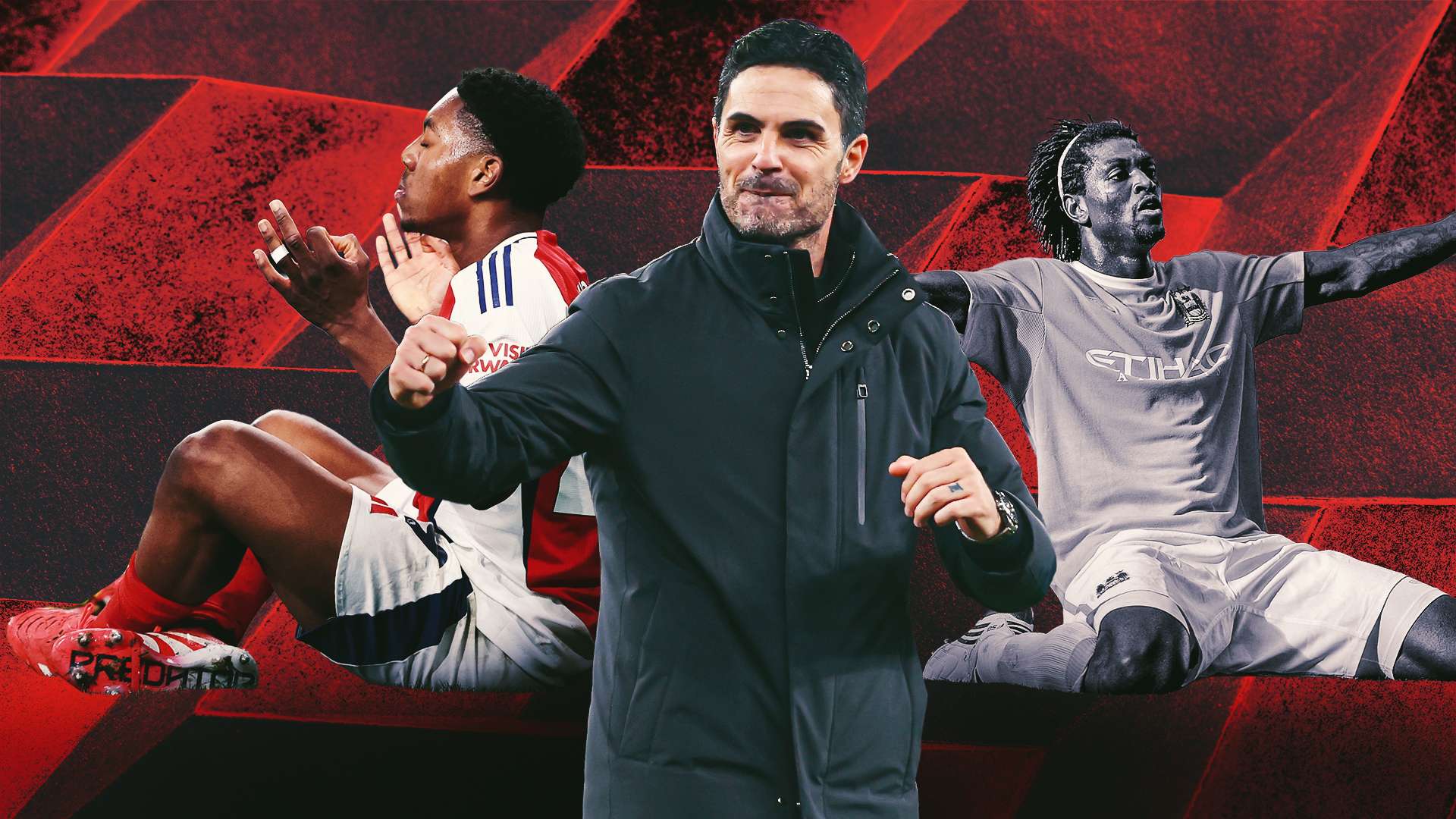

Manchester City and Arsenal Clash Once Again in League Cup Final
As Manchester City and Arsenal prepare to face off in the League Cup final, memories of their previous encounter in the same competition are still fresh in the minds of football fans. The last time these two teams met in the final, Pep Guardiola and Mikel Arteta were on the same side, sitting in the Wembley dugout as head coach and assistant, respectively.
The match ended with City dominating Arsenal, securing a 3-0 victory and claiming the first piece of silverware under Guardiola’s tenure in England. This result highlighted the growing gap between the two clubs, a gap that has widened significantly in recent years.
A Rivalry Born
City and Arsenal were not traditional rivals until the arrival of Sheikh Mansour and the United Arab Emirates’ interest in Manchester City. With their financial backing, City quickly rose to challenge the established order in English football, of which Arsenal was once a prominent part.
Guardiola’s appointment as City’s manager only accelerated the club’s dominance, leaving Arsenal to struggle to keep up. However, the tide began to turn with Arteta’s return to Arsenal, this time as the head coach. Having witnessed Arsenal’s decline from within during Arsene Wenger’s final years, Arteta was uniquely positioned to lead the club’s resurgence.
The Arteta Effect
Arteta brought a new vision to Arsenal, moving away from Wenger’s style of play towards a more scientific approach. He prioritized physicality and efficiency, focusing on set pieces and defensive solidity. Under his guidance, Arsenal transformed into a formidable force that has challenged and surpassed City in recent competitions.
Currently, Arsenal sits nine points ahead of City in the title race and has secured a spot in the Champions League quarter-finals. In contrast, City suffered another disappointment in the Champions League, further emphasizing Arsenal’s resurgence under Arteta.
The Showdown at Wembley
As the two teams prepare to face each other once again in the Carabao Cup final at Wembley, Arsenal will be looking to solidify their progress under Arteta by claiming a victory over City. This could potentially be the first of four trophies for the Gunners this season, marking a significant turnaround for the club.
Guardiola, on the other hand, acknowledges that his team is the underdog in this matchup, facing a resurgent Arsenal side led by Arteta. The stage is set for a thrilling encounter between two teams with contrasting histories and playing styles, as they battle it out for silverware.
As the rivalry between Manchester City and Arsenal reaches its boiling point, fans can expect a fiercely contested final that will showcase the evolution of both clubs under their respective managers. The outcome of this match could have a significant impact on the future trajectory of these two Premier League giants.
Manchester City and Arsenal: A Modern Rivalry
The clash between Manchester City and Arsenal in the League Cup final symbolizes a modern rivalry that has evolved in the past decade. The transformation of City from a mid-table team to one of the dominant forces in English football under Sheikh Mansour’s ownership has reshaped the dynamics of this matchup. Meanwhile, Arsenal, once a powerhouse under Arsene Wenger, has faced challenges in maintaining its status among the elite clubs.
Pep Guardiola’s arrival at Manchester City marked a turning point in the club’s history, as his innovative tactics and commitment to possession-based football revolutionized the team’s style of play. On the other hand, Mikel Arteta’s appointment at Arsenal brought a fresh perspective and tactical acumen that have revitalized the Gunners and reignited their competitive spirit.
The Tactical Battle
When Manchester City and Arsenal step onto the pitch at Wembley, fans can expect a tactical battle between Guardiola’s possession-oriented approach and Arteta’s organized and disciplined defensive strategy. City’s fluid passing and movement will be pitted against Arsenal’s defensive solidity and counter-attacking prowess, creating an intriguing clash of styles.
Guardiola’s ability to adapt his tactics and make strategic substitutions during the match will be crucial in breaking down Arsenal’s defense, while Arteta’s focus on teamwork and discipline will be tested against City’s relentless attacking threat.
The Importance of Silverware
For both teams, winning the League Cup would not only add another trophy to their cabinet but also serve as a statement of their intent and progress. City, aiming for a quadruple this season, will be eager to continue their pursuit of multiple titles, showcasing their dominance in English football. On the other hand, Arsenal’s quest for silverware under Arteta represents a resurgence that could signal a return to the club’s glory days.
A victory for Arsenal in the League Cup final would validate Arteta’s impact and underline the team’s potential to compete at the highest level once again. Conversely, a win for City would further solidify their status as one of the most successful clubs in recent years and set the tone for their ambitious pursuit of domestic and European trophies.
The Future of the Rivalry
As Manchester City and Arsenal prepare to face off in the League Cup final, the outcome of the match could have far-reaching implications for both clubs. A win for either team would not only boost their confidence and morale but also shape the narrative of their ongoing rivalry.
Regardless of the result, the clash between Guardiola and Arteta on the touchline reflects the broader competition between two ambitious clubs striving for success in the Premier League and beyond. The League Cup final serves as a stage for their rivalry to unfold, showcasing the evolution of football tactics, management philosophies, and the pursuit of excellence in the modern game.
Ultimately, as fans eagerly anticipate the showdown at Wembley, they can expect a captivating contest between two teams with contrasting histories, playing styles, and aspirations. The Manchester City-Arsenal rivalry continues to captivate football enthusiasts worldwide, making the League Cup final a must-watch event for fans of the beautiful game.