
Real Madrid Players Reportedly Snubbing Manager Arbeloa, Tensions Rise in Dressing Room
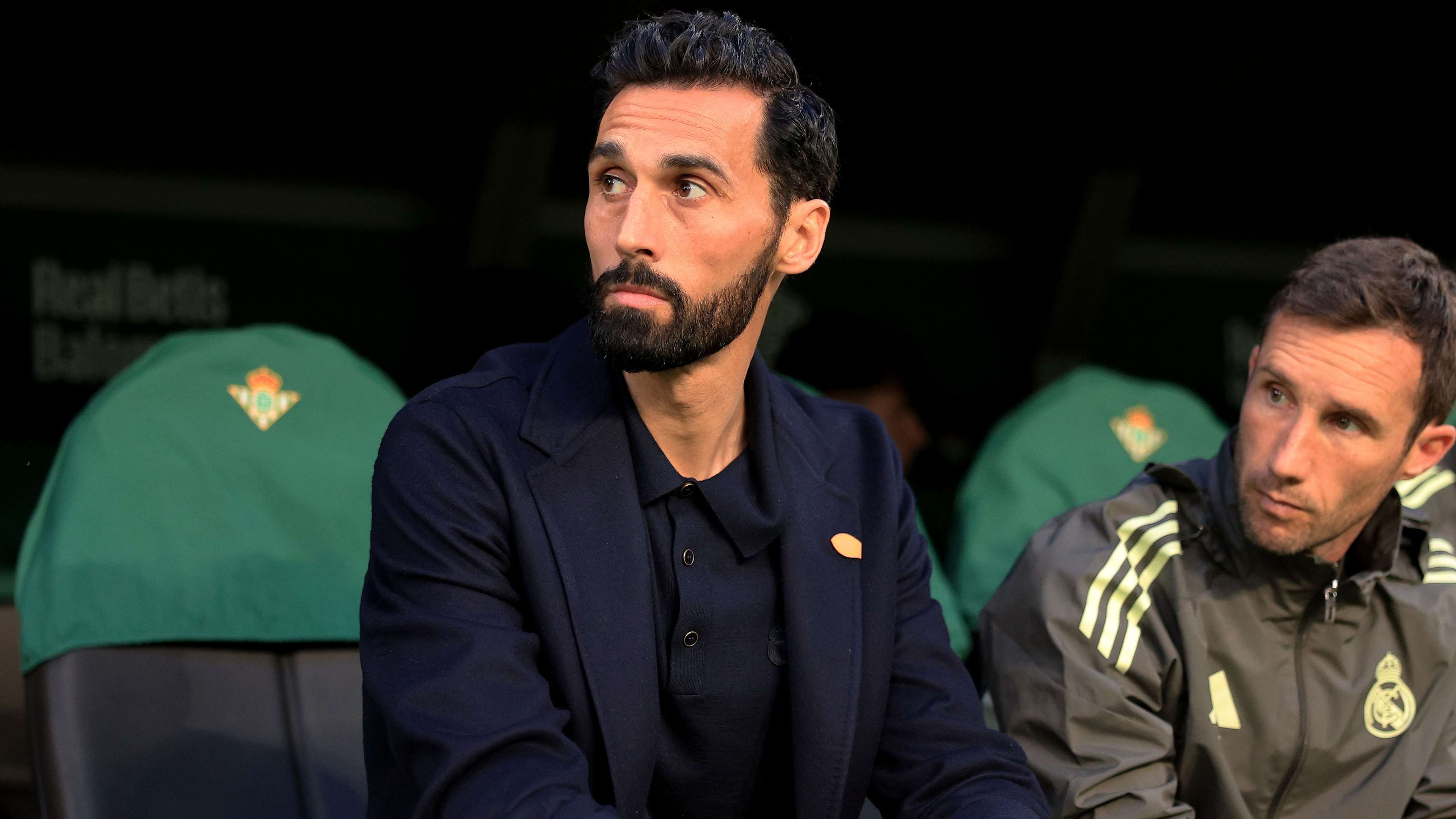
Recent reports have indicated that the atmosphere in Real Madrid’s dressing room is becoming increasingly tense. Rumors suggest that several players are snubbing manager Álvaro Arbeloa, leading to a divide within the team. Additionally, a heated altercation between two teammates has added fuel to the fire.
Snubbing Allegations
According to Spanish newspaper Marca, six players within the Real Madrid squad are currently refusing to engage with manager Álvaro Arbeloa. The reasons behind this alleged snub remain undisclosed, leaving fans and pundits speculating about the underlying issues within the team.
While the identities of the players involved in the snubbing have not been revealed, the impact of such behavior on the team dynamics and performance cannot be ignored. The lack of communication and cooperation between players and the manager could potentially affect the team’s on-field performance and overall morale.
Tensions on the Rise
In addition to the reported snubbing of the manager, tensions within the Real Madrid dressing room have escalated further due to a fiery row between two teammates. The nature of the altercation remains unclear, but it has undoubtedly added to the already strained atmosphere within the team.
The clash between the two players highlights the underlying tensions and conflicts that may be brewing within the squad. Such internal discord can have detrimental effects on team cohesion and unity, which are essential for success on the pitch.
Impact on Performance
As Real Madrid navigates through a crucial phase of the season, with important matches and competitions on the horizon, the reported unrest within the team could potentially impact their performance on the field. A lack of harmony and solidarity among players and management can hinder the team’s ability to work together effectively and achieve their goals.
Football is a team sport that thrives on communication, trust, and collaboration. Any disruptions or divisions within the squad can impede the team’s progress and jeopardize their chances of success in competitions.
Looking Ahead
As the situation in the Real Madrid dressing room continues to unfold, all eyes will be on how the club addresses and resolves the reported tensions and conflicts. It will be crucial for the management and players to come together, communicate openly, and work towards a common goal to overcome the challenges they are facing.
Fans and supporters will be eagerly awaiting updates on the situation, hoping to see a united and focused Real Madrid team back on track and performing at their best. Only time will tell how the team manages to navigate through this turbulent period and emerge stronger from the internal strife.
In conclusion, the reported snubbing of manager Álvaro Arbeloa and the escalating tensions within the Real Madrid dressing room serve as a stark reminder of the challenges that teams can face both on and off the field. It will be essential for the club to address these issues swiftly and effectively to maintain team spirit and strive for success in the upcoming matches.
By staying united and focused, Real Madrid can overcome these obstacles and showcase their true potential as a formidable football powerhouse.
Internal Strife in Professional Football Clubs
The reported tensions and conflicts within Real Madrid’s dressing room are not uncommon in the world of professional football. Throughout the history of the sport, numerous teams have faced internal challenges that have impacted their performance on the field. From disagreements between players and managers to clashes among teammates, the dynamics of a football club can sometimes be as complex off the pitch as they are on it.
These internal struggles can stem from a variety of factors, including differences in personalities, playing styles, and egos. The pressure to perform at the highest level, coupled with high expectations from fans and management, can create a breeding ground for discord within a team. Managing these conflicts and maintaining team harmony is essential for sustained success in football.
The Role of Leadership
Effective leadership plays a crucial role in navigating through turbulent times within a football club. Managers like Álvaro Arbeloa must not only have tactical acumen but also possess strong interpersonal skills to manage egos, resolve conflicts, and foster a positive team environment. Building trust and communication among players and staff is fundamental in maintaining a cohesive and productive team.
Leadership extends beyond the manager to senior players and club officials who can influence team dynamics and culture. Establishing a culture of respect, accountability, and unity is essential in creating a winning mentality within the team. When conflicts arise, strong leadership can help address issues promptly and prevent them from escalating further.
Impact on Performance and Results
The internal dynamics of a football club can have a direct impact on the team’s performance on the field. A lack of unity, trust, and communication can manifest in inconsistent play, missed opportunities, and ultimately, poor results. When players are not fully aligned with the manager or each other, it can disrupt team chemistry and hinder their ability to execute game plans effectively.
On the flip side, a harmonious and supportive team environment can lead to improved performance, enhanced morale, and better results. Players who feel valued, respected, and understood are more likely to give their best on the pitch and work towards a common goal. Team spirit and camaraderie are often the intangible factors that set successful teams apart from their competitors.
Lessons Learned and Moving Forward
As Real Madrid and other football clubs navigate through periods of internal strife, there are valuable lessons to be learned about the importance of teamwork, communication, and conflict resolution. Adversity can be a catalyst for growth and transformation if managed effectively. By addressing underlying issues, fostering a positive team culture, and prioritizing open dialogue, clubs can emerge stronger and more resilient than before.
Ultimately, the success of a football team is not just measured by trophies and titles but by the ability to overcome challenges, build lasting relationships, and create a legacy of unity and excellence. As Real Madrid works to overcome the reported tensions within their dressing room, they have an opportunity to reinforce their identity as a powerhouse in world football through unity, resilience, and a shared commitment to success.
As the football world watches closely, the unfolding drama at Real Madrid serves as a reminder of the complexities and challenges that professional clubs face behind the scenes. By addressing internal conflicts head-on, fostering strong leadership, and prioritizing team cohesion, clubs can create a solid foundation for sustained success and a winning culture that transcends individual egos and differences.