
## The Chaos and Spectacle of the 2010 World Cup ##
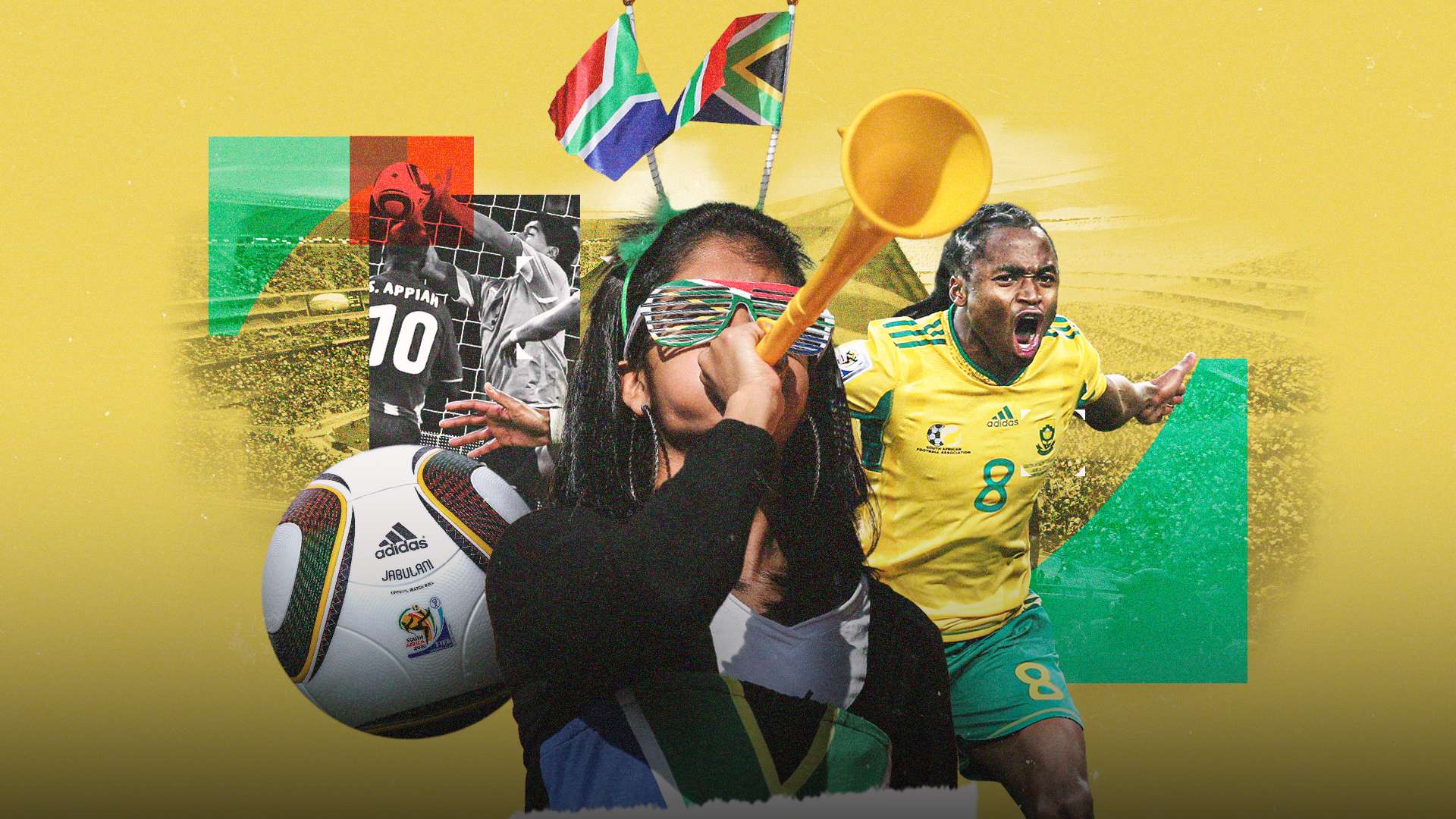
In the world of football, the 2010 World Cup held in South Africa is remembered as one of the most chaotic, noisy, and memorable tournaments in recent history. From vuvuzelas to controversial handballs, this edition of the quadrennial event was filled with moments that shaped the modern era of the sport.
### A Modern Era of Football ###
The 2010 World Cup marked a significant shift in the way football tournaments were experienced, thanks to the rise of social media. Platforms like Twitter and Facebook allowed fans to engage with the games in real-time, sharing their thoughts on controversial decisions, standout performances, and memorable moments. This integration of social media transformed the World Cup from a simple sporting event into an immersive pop culture experience.
### The Drama Unfolds ###
The announcement of the 2010 World Cup hosts was a moment filled with suspense and excitement. FIFA president Sepp Blatter, known for his theatrical style, added an element of drama to the proceedings as he unveiled the winning country. With Nelson Mandela in the audience, it was clear that South Africa would be the host nation for the upcoming tournament.
As the South African delegation erupted in joy, the world was introduced to the iconic vuvuzela. The plastic horns became a defining feature of the tournament, creating a cacophony of noise that reverberated throughout the stadiums.
### Controversy and Memorable Moments ###
The 2010 World Cup was not without its controversies and standout moments. From French mutinies to knuckleball goals, the tournament provided a mix of drama, heartbreak, and pure spectacle. One of the most talked-about incidents was the ‘Hand of God’ moment involving Luis Suarez. The Uruguayan forward infamously used his hand to block a certain goal, leading to his expulsion from the match and sparking debates on fair play in football.
### The Legacy of the 2010 World Cup ###
Despite the chaos and controversies, the 2010 World Cup in South Africa was recently hailed as the best World Cup ever held. The tournament left a lasting impact on football, ushering in a new era of digital engagement and fan interaction. The combination of social media, iconic moments, and unforgettable characters made the event a truly immersive experience for fans around the world.
As we look back on the 2010 World Cup, it’s clear that the chaos, noise, and drama of the tournament have left an indelible mark on the sport of football. From vuvuzelas to French mutinies, the memories of that summer in South Africa continue to resonate with fans, shaping the way we experience and remember the beautiful game.
Embracing Technology in Football Prediction
With the rise of social media during the 2010 World Cup, football fans around the world were not only able to engage in real-time discussions but also began to explore new ways to predict match outcomes. Today, technology has further revolutionized the way fans interact with the sport, with the emergence of predictive analytics and machine learning algorithms.
Platforms like sports betting websites and mobile applications now offer fans the opportunity to make informed predictions based on data analysis, player statistics, and historical trends. These tools allow fans to not only enjoy the excitement of the game but also to test their football knowledge and intuition by making predictions on match outcomes, goal scorers, and even tournament winners.
The Rise of Football Prediction Models
Football prediction models have become increasingly popular among fans and bettors looking to gain an edge in predicting match results. These models use advanced algorithms to analyze a wide range of data points, including team performance, player form, weather conditions, and even social media sentiment, to generate predictions with a high degree of accuracy.
By leveraging the power of data and analytics, football prediction models have transformed the way fans engage with the sport, providing them with valuable insights and information to make more informed decisions when placing bets or simply predicting the outcome of a match.
Enhancing the Fan Experience
The integration of technology and predictive analytics has not only empowered fans to make better predictions but has also enhanced the overall fan experience. By providing fans with access to real-time data, analysis, and insights, these tools have made watching football more interactive, engaging, and immersive.
Fans can now track live match statistics, receive personalized recommendations for upcoming games, and participate in prediction contests with friends and fellow fans. This level of engagement not only adds an extra layer of excitement to the match-watching experience but also fosters a sense of community and camaraderie among fans who share a passion for the sport.
Looking Ahead: The Future of Football Prediction
As technology continues to evolve, the future of football prediction looks bright. Advancements in artificial intelligence, machine learning, and data analytics are expected to further refine prediction models, making them even more accurate and reliable.
In the years to come, we can expect to see a greater integration of technology in football prediction, with the development of more sophisticated algorithms, predictive tools, and interactive platforms that cater to the evolving needs and preferences of fans. Whether it’s predicting the outcome of a World Cup final or a local derby match, technology is set to play an increasingly important role in shaping the way we engage with and experience the beautiful game.
In conclusion, the chaos and spectacle of the 2010 World Cup in South Africa not only left a lasting impact on the sport of football but also paved the way for a new era of digital engagement and predictive analytics. By embracing technology and data-driven insights, fans are now able to enjoy a more interactive and immersive football experience, one that combines the thrill of the game with the excitement of making informed predictions. As we look towards the future, the possibilities for football prediction are endless, promising a more dynamic and engaging fan experience for years to come.