
Rahul Sethpal, Sumit Sangwan and Jaideep Dahiya: The Defensive Wall Behind India’s Asian Games Kabaddi Gold
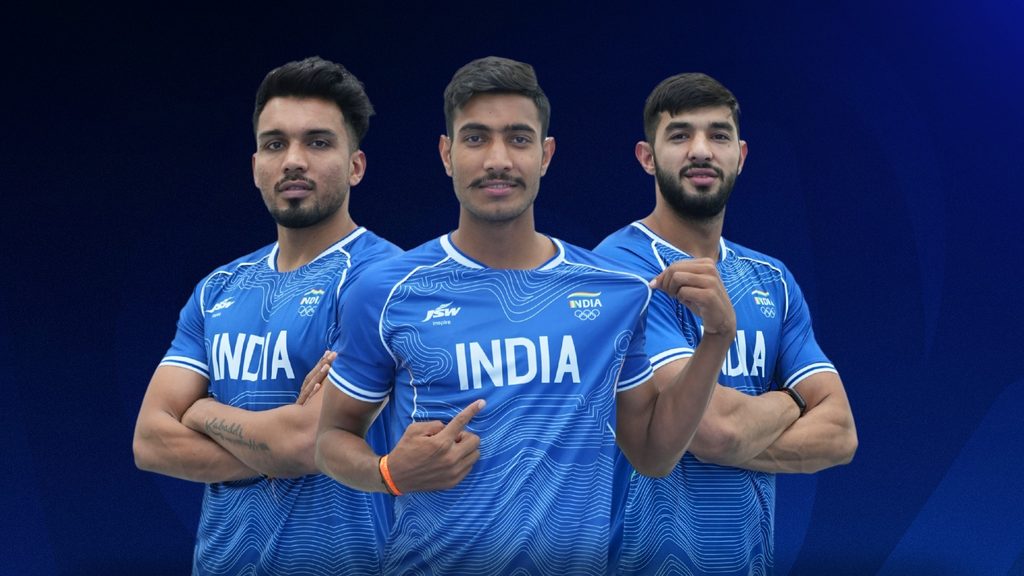
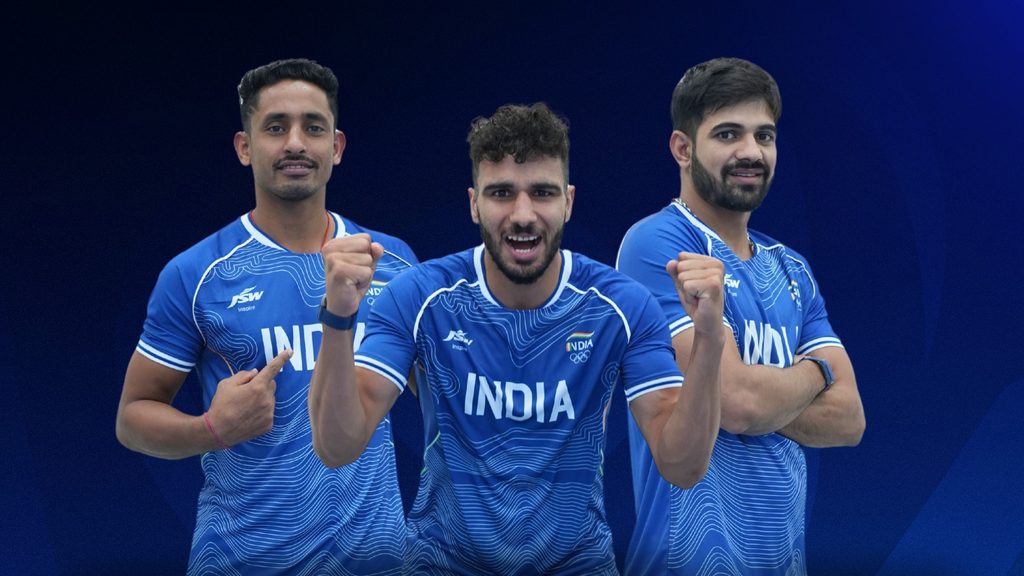
India’s unbeaten run to the Asian Games 2026 kabaddi gold was built on more than attacking raids and last-minute points. At the heart of the campaign was a disciplined defence that repeatedly stopped opponents from gaining momentum. Rahul Sethpal, Sumit Sangwan and Jaideep Dahiya were among the players who helped anchor that effort, combining timing, strength and tactical awareness to protect India’s lead when the pressure was at its highest.
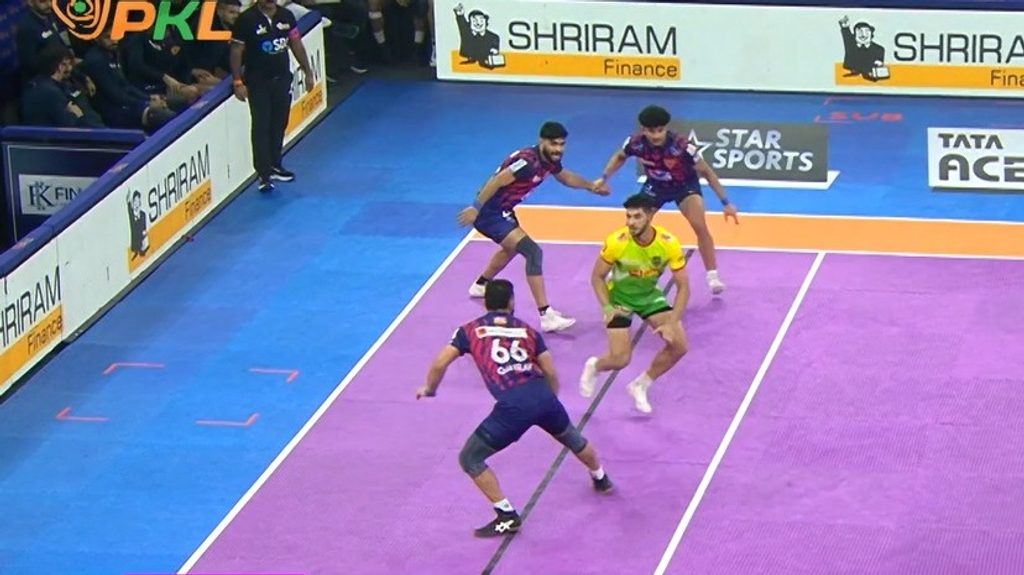
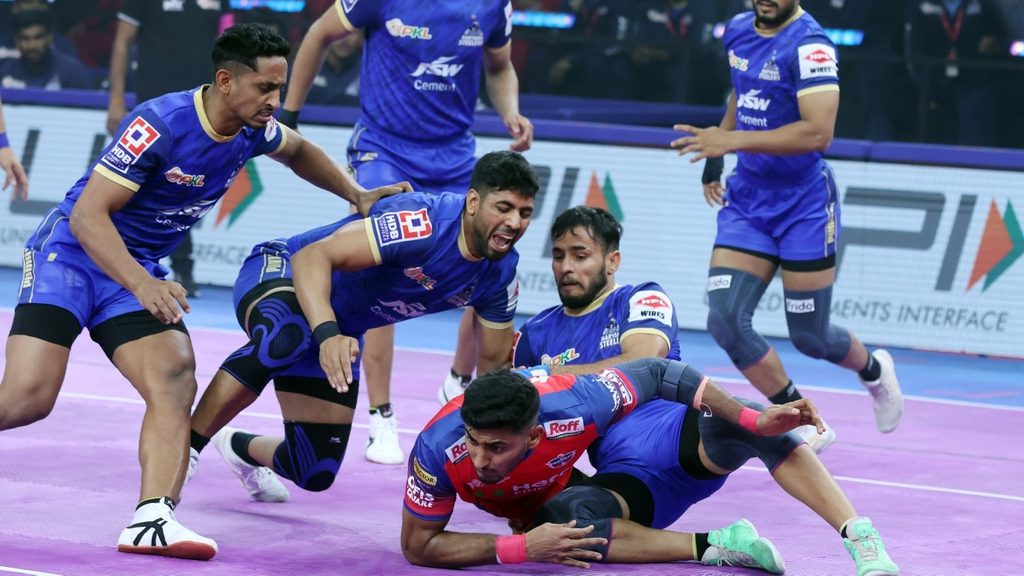
In kabaddi, defenders often work without the spotlight enjoyed by successful raiders. Yet a well-timed ankle hold, a coordinated block or a chain tackle can change the direction of a match in seconds. The trio’s contribution reflected that reality: India’s gold-medal journey depended not only on scoring points, but also on limiting opposition opportunities and turning defensive stops into chances to take control.
Why India’s defence mattered in the gold-medal campaign
An unbeaten tournament demands consistency across every department. A team may have powerful raiders, but even the most productive attack can be undermined if opponents are allowed to score freely. India’s defensive unit provided balance by making each opposition raid difficult, forcing raiders to take risks and disrupting the rhythm of rival teams.
That pressure is especially important in high-stakes kabaddi. Defenders have to read a raider’s movement, judge when to commit and coordinate with teammates in a fraction of a second. A premature tackle can leave space for a bonus or escape; a delayed response can allow the raider to return safely. India’s defenders showed the value of patience and communication, staying organised while waiting for the right opportunity to strike.
Rahul Sethpal brings strength and presence
Rahul Sethpal’s role in the defensive setup was built around physical presence and the ability to challenge raiders directly. Strong defenders can make an opponent reconsider a move before the tackle even begins, and that psychological pressure can be as valuable as the point itself. Sethpal helped India hold its shape, contest raids and provide a dependable option when opponents looked to target the defensive line.
His contribution also highlights an important feature of modern kabaddi: individual strength is most effective when it is supported by team structure. A defender may initiate a tackle, but teammates must close the space and prevent the raider from slipping through. By functioning within a coordinated unit, Sethpal helped turn defensive opportunities into meaningful stops rather than isolated challenges.
Sumit Sangwan’s timing and tactical awareness
Sumit Sangwan added another dimension to India’s defence through his ability to respond to changing situations. Kabaddi is a game of rapid decisions, and defenders must recognise whether a raider is probing for a weak link, preparing a sudden escape or attempting to collect a bonus point. Reading those intentions early can help a team avoid unnecessary risks and choose the right moment to tackle.
For India, Sangwan’s importance lay in the balance between alertness and discipline. Defenders cannot chase every movement; they need to maintain their positions and trust their teammates. That collective understanding can narrow a raider’s options, leaving fewer safe routes back across the midline. When the defence works in unison, one well-timed challenge can become a coordinated stop that shifts momentum.
Jaideep Dahiya helps complete the defensive unit
Jaideep Dahiya was part of the group that gave India depth and reliability at the back. Tournament success is rarely the work of one standout player. It depends on multiple defenders being ready to contribute, adapt to different opponents and sustain their concentration over a demanding schedule. Dahiya’s presence helped strengthen that collective effort.
Defensive depth is particularly valuable when teams face contrasting styles. Some raiders rely on speed, while others use feints, reach or carefully timed bonus attempts. A composed defence must adjust without losing its shape. Dahiya and his teammates helped India maintain that flexibility, supporting a system in which players could respond to the raid in front of them while remaining connected to the larger defensive plan.
How tackles can change the momentum of a kabaddi match
A successful tackle does more than add a point to the scoreboard. It can energise the defending team, put pressure on the opposition’s attack and create a chance for India’s raiders to build on the momentum. Conversely, a failed tackle may allow an opponent to escape with points and confidence. That is why the best defensive performances combine aggression with careful judgement.
India’s campaign showed how crucial those small moments can be. A stop at the right time can protect a narrow advantage, prevent a rival from completing a comeback or force an opponent to rethink its strategy. Across a tournament, repeated defensive wins accumulate into a larger advantage. The result is a team that is difficult to break down, even when its opponents find opportunities to attack.
A team achievement built on discipline
The gold medal belonged to the entire Indian squad, and the defenders’ work was closely linked to the efforts of the raiders and support staff. Kabaddi success comes from the connection between attack and defence: raiders need stops to create breathing room, while defenders benefit when their team can turn possession into pressure. India’s unbeaten run was a product of that balance.
Rahul Sethpal, Sumit Sangwan and Jaideep Dahiya stood out as key contributors to the defensive foundation that helped India hold the line. Their performances underline why defensive players deserve close attention from kabaddi fans. The most memorable moments may be a spectacular raid or a dramatic final point, but a championship is often secured through the quieter work of reading the game, staying organised and making the tackle when it matters.
For more kabaddi coverage, player features and Pro Kabaddi League content, visit prokabaddi.com or download the Pro Kabaddi Official App. Fans can revisit major defensive moments, follow the sport’s leading players and explore the tactical details that make every raid and tackle count.