
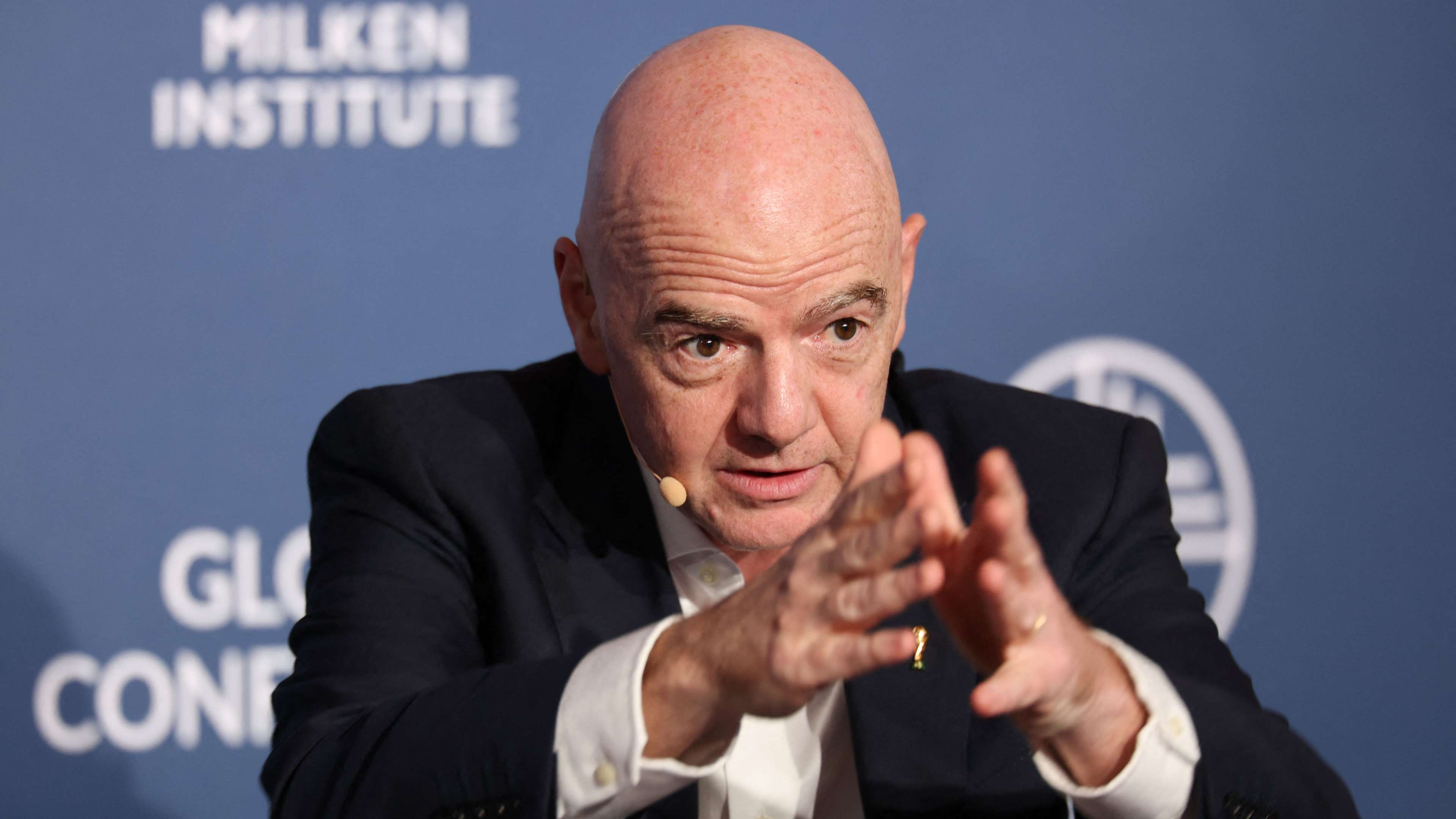

FIFA President Promises Hot Dogs and Soft Drinks for $2 Million World Cup Final Ticket Buyers
The FIFA President, Gianni Infantino, recently made headlines with his humorous offer to personally deliver hot dogs and soft drinks to anyone willing to pay $2 million for a ticket to the World Cup final. This lighthearted comment comes as resale listings for the 2026 World Cup showpiece have reached extraordinary levels, sparking criticism over the affordability of attending such prestigious sporting events.
Rising Ticket Prices and Resale Listings
The anticipation for the 2026 World Cup is building, with fans eagerly awaiting the chance to witness the world’s top football teams compete on the global stage. However, as ticket prices continue to rise, many supporters are finding it increasingly difficult to afford attending the event. Resale listings for tickets to the World Cup final have soared to unprecedented levels, with some reaching as high as $2 million.
This sharp increase in ticket prices has led to criticism from fans and pundits alike, who argue that the beautiful game should be accessible to everyone, regardless of their financial status. The exorbitant costs associated with attending major sporting events like the World Cup can often exclude dedicated fans who may not have the means to pay such high prices.
Infantino’s Playful Gesture
Gianni Infantino’s light-hearted response to the escalating ticket prices has garnered attention from football fans around the world. By jokingly offering to deliver hot dogs and soft drinks to anyone willing to pay $2 million for a World Cup final ticket, the FIFA President has injected a sense of humor into the debate over affordability in football.
While Infantino’s gesture may have been intended as a playful quip, it also highlights the broader issue of accessibility in football. As the sport continues to grow in popularity globally, it is crucial that measures are taken to ensure that fans from all walks of life can experience the excitement of major tournaments like the World Cup.
Addressing Affordability in Football
As discussions around ticket prices and resale listings for the 2026 World Cup continue, it is essential for football’s governing bodies to consider the impact of these costs on fans. While major tournaments like the World Cup generate significant revenue for FIFA and other organizations, it is important to strike a balance between commercial success and fan accessibility.
By engaging in conversations about affordability in football and exploring ways to make tickets more accessible to a wider audience, the sport can maintain its status as a unifying force that brings people together from all corners of the globe. Whether it’s through playful gestures like Gianni Infantino’s offer of hot dogs and soft drinks or more substantive changes to ticketing policies, the goal should be to ensure that football remains a sport for all.
As the countdown to the 2026 World Cup continues, fans will be watching closely to see how the issue of affordability is addressed and whether measures are taken to make attending the tournament more accessible for all. With the eyes of the world on football’s biggest stage, the conversation around ticket prices and fan accessibility is sure to remain a hot topic leading up to the highly anticipated event.
Impact of Rising Ticket Prices on Fan Experience
As ticket prices for major sporting events like the World Cup continue to soar, the fan experience is at risk of becoming exclusive to those with deep pockets. The escalating costs of attending live matches can alienate dedicated supporters who have long been the heartbeat of the sport. Without affordable ticket options, the vibrant atmosphere and passionate energy that fans bring to stadiums could be diminished, impacting the overall excitement and spirit of the game.
For many fans, attending a World Cup final is a dream come true, representing the pinnacle of their football experience. However, the reality of exorbitant ticket prices can turn this dream into an unattainable luxury for the average supporter. Balancing the financial aspects of hosting major tournaments with the need to prioritize fan accessibility is crucial to preserving the authenticity and inclusivity of the beautiful game.
Creating a Sustainable Model for Fan Engagement
In light of the ongoing discussions surrounding ticket affordability, football’s governing bodies must work towards creating a sustainable model that prioritizes fan engagement and accessibility. This involves exploring innovative solutions such as tiered pricing structures, fan loyalty programs, and enhanced ticket distribution strategies to ensure that tickets are allocated fairly and that fans of all backgrounds have the opportunity to attend matches.
By implementing measures to address the challenges of affordability in football, organizations can foster a more inclusive and diverse fan base, enriching the overall experience for everyone involved. Investing in initiatives that prioritize fan welfare and engagement not only benefits supporters but also contributes to the long-term success and growth of the sport on a global scale.
Embracing Diversity and Inclusivity in Football
Football’s power lies in its ability to unite people from different cultures, backgrounds, and walks of life through a shared love for the game. Embracing diversity and inclusivity is essential in maintaining the sport’s universal appeal and fostering a sense of belonging among fans worldwide. By championing affordability and accessibility, football can continue to serve as a platform for connection, inspiration, and celebration.
As the world eagerly awaits the 2026 World Cup, it is crucial for stakeholders in football to prioritize the needs of fans and ensure that attending the tournament remains a possibility for all. By addressing the challenges of rising ticket prices and exploring creative solutions to enhance fan accessibility, the sport can uphold its reputation as a unifying force that transcends borders and brings people together in the spirit of competition and camaraderie.
Ultimately, the success of the 2026 World Cup will not only be measured by the quality of play on the field but also by the inclusivity and diversity of the fans in the stands. By taking proactive steps to make football more accessible and affordable, the sport can continue to inspire and connect individuals from every corner of the globe, solidifying its position as the world’s most beloved game.