
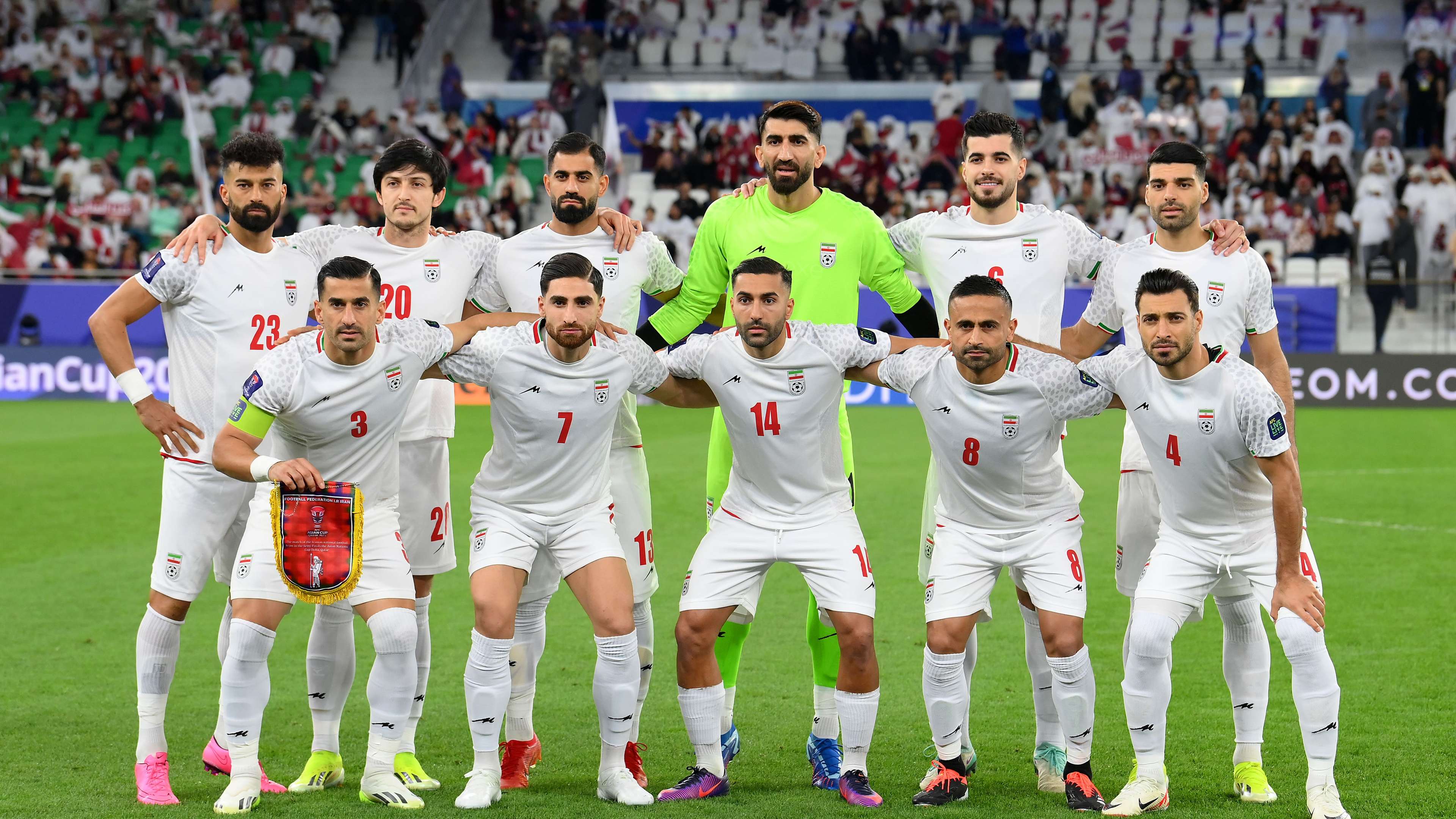

The Iranian Football Federation is currently in urgent talks with FIFA regarding the potential relocation of its 2026 World Cup group-stage matches from the United States to Mexico. This decision comes as a response to escalating geopolitical tensions, prompting Iranian officials to express serious concerns about the safety and security of their team while in the U.S.
The request made by the Iranian Football Federation poses a significant challenge to the logistics of the upcoming 2026 World Cup, which is set to be the first-ever expanded 48-team tournament in the history of the competition. This unprecedented move has sparked discussions among football fans and officials worldwide.
**Security Concerns Prompt Iranian Request**
The decision to seek a relocation of the group-stage matches from the United States to Mexico stems from the Iranian officials’ deep-seated concerns about the safety of their squad amidst the heightened tensions in the region. These concerns have been exacerbated by recent geopolitical developments, prompting the Iranian Football Federation to take proactive measures to ensure the well-being of their players and staff.
**Disruption to Tournament Logistics**
If the request to relocate the group-stage matches is approved by FIFA, it could potentially disrupt the carefully planned logistics of the 2026 World Cup. With the tournament already set to feature an expanded format of 48 teams, any changes to the venues and locations of matches could pose significant challenges for organizers and participating teams alike.
**Global Reactions to Iranian Request**
The unprecedented nature of the Iranian Football Federation’s request has sparked reactions from football fans and officials around the world. Many are closely following the developments and awaiting FIFA’s decision on the matter. The potential relocation of the group-stage matches from the United States to Mexico could have wide-reaching implications for the tournament and its participants.
**Looking Ahead**
As discussions between the Iranian Football Federation and FIFA continue, the football world remains on edge, awaiting a decision on the potential relocation of the 2026 World Cup group-stage matches. The safety and security of players and staff are of paramount importance, and any decisions made in this regard will have a lasting impact on the tournament and the sport as a whole.
In conclusion, the Iranian Football Federation’s request to relocate its 2026 World Cup group-stage matches from the United States to Mexico due to security concerns has raised significant questions and concerns within the football community. The potential disruption to the logistics of the tournament and the implications for all participating teams highlight the importance of ensuring the safety and well-being of players and staff in international competitions. As discussions with FIFA continue, the global football community eagerly awaits a resolution to this unprecedented situation.
**Challenges of Relocating Matches to Mexico**
Relocating the 2026 World Cup group-stage matches from the United States to Mexico presents a unique set of challenges for both the Iranian Football Federation and FIFA. The logistical hurdles of securing new venues, accommodations, and transportation for teams at short notice are significant, especially given the scale of the tournament with 48 teams participating. Coordination between the respective football federations, local authorities, and FIFA will be crucial in ensuring a smooth transition if the relocation request is approved.
**Broader Implications for International Football**
The Iranian Football Federation’s request highlights the intersection of sports and geopolitics in international football. As tensions between nations can spill over into the realm of sports, ensuring the safety and security of players and staff becomes a critical concern for football governing bodies. The potential relocation of matches due to security reasons underscores the complexities of hosting major sporting events in a politically charged world.
**Collaborative Efforts to Ensure Player Safety**
In light of the security concerns raised by the Iranian Football Federation, there is a growing emphasis on collaborative efforts to ensure the safety and well-being of players and staff participating in international competitions. FIFA, as the global governing body of football, plays a pivotal role in safeguarding the integrity of the sport and prioritizing the security of all involved. The ongoing discussions between the Iranian Football Federation and FIFA demonstrate the commitment to finding solutions that prioritize player safety above all else.
**Future Considerations for Tournament Planning**
The Iranian Football Federation’s request for the relocation of 2026 World Cup group-stage matches serves as a wake-up call for future tournament planning and risk management strategies. As geopolitical tensions continue to impact the world of sports, football federations and organizing bodies must proactively address security concerns to mitigate potential disruptions to major events. Developing contingency plans and fostering open communication channels between stakeholders will be essential in navigating similar challenges in the future.
**Global Solidarity in Times of Uncertainty**
In the face of uncertainty surrounding the potential relocation of 2026 World Cup matches, the global football community has shown solidarity and support for the Iranian team’s safety concerns. The united front displayed by fans, players, and officials reinforces the importance of prioritizing the well-being of athletes in international competitions. Regardless of the outcome of the discussions between the Iranian Football Federation and FIFA, the spirit of unity and collaboration within the football world remains unwavering.
**Conclusion**
The Iranian Football Federation’s request to relocate its 2026 World Cup group-stage matches from the United States to Mexico due to security concerns has brought to light the intricate balance between sports and geopolitics in international football. As discussions continue between the concerned parties, the focus remains on safeguarding the safety and security of players and staff. The outcome of these deliberations will not only impact the logistics of the tournament but also set a precedent for handling similar challenges in the future. In the dynamic landscape of global football, ensuring the well-being of athletes must always take precedence, transcending borders and differences for the greater good of the sport.