

Arsenal secures place in Champions League final amid heated altercation
Arsenal has made history by securing their place in the Champions League final for the second time in their history. However, the celebrations were marred by a heated physical altercation that took place on the pitch. The incident involved unused substitute Gabriel Jesus and Atletico Madrid defender Marc Pubill, further intensifying the high tension at the Emirates Stadium.
Arsenal’s journey to the final
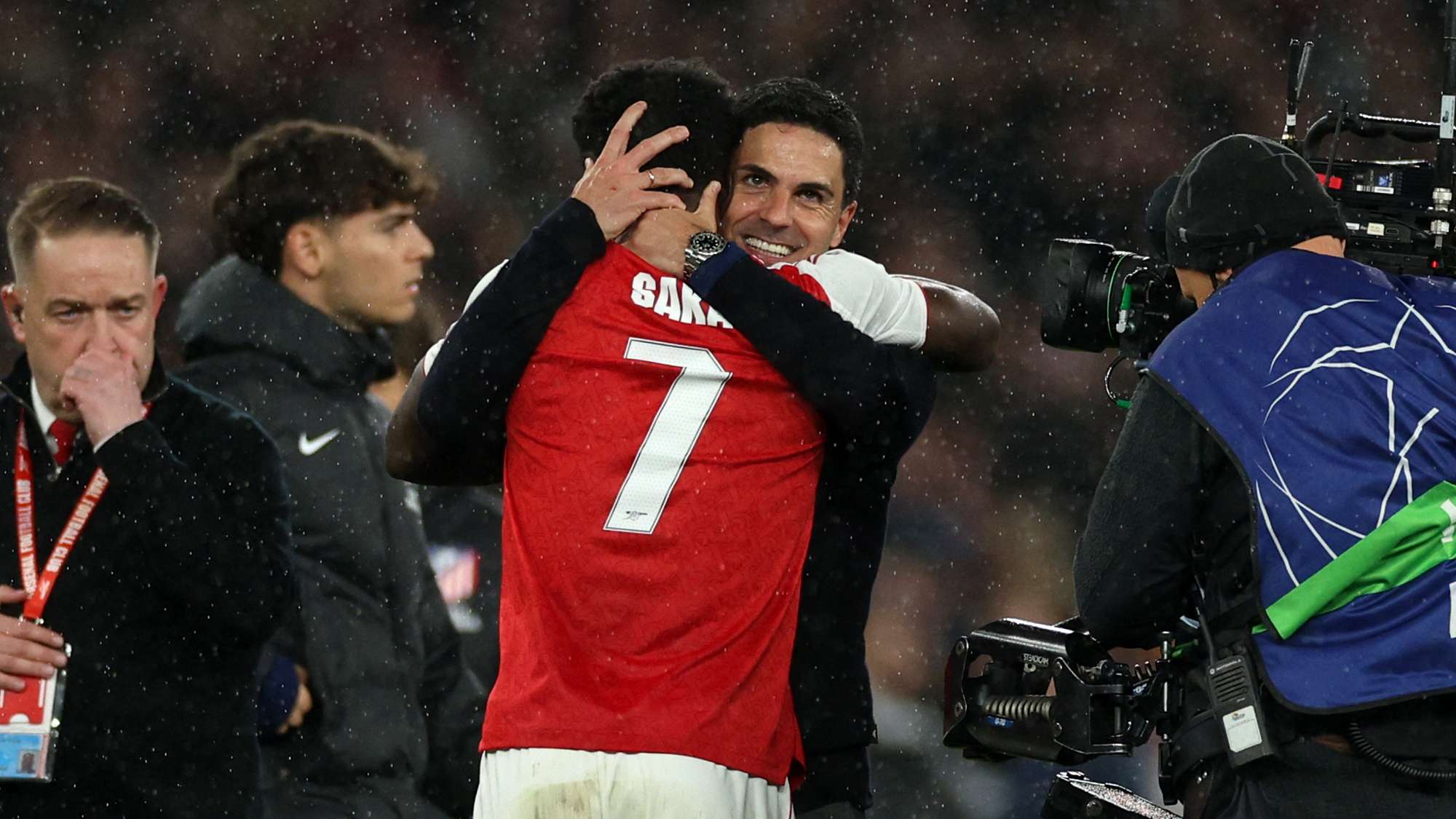
The Gunners reached their first Champions League final in two decades after a tense semi-final match against Atletico Madrid. Bukayo Saka’s decisive goal secured a 1-0 win on the night and a 2-1 aggregate victory, propelling Arsenal to the final. The team and fans were in a jubilant mood as they celebrated this historic moment at the Emirates Stadium.
The altercation on the pitch
As the Arsenal squad was celebrating with the home supporters, a confrontation unfolded between Atletico Madrid’s Marc Pubill and Arsenal’s Viktor Gyokeres. Pubill aggressively approached Gyokeres and shoved him from behind, sparking a chaotic scene on the pitch. Players from both teams clashed near the centre circle, adding to the tension of the moment.
Amidst the chaos, Gabriel Jesus, who was not part of the match, was seen getting involved in the altercation. The former Manchester City player was captured on camera landing a slap on Pubill’s face, causing the situation to escalate further. Myles Lewis-Skelly and Declan Rice intervened to calm the situation and guide Pubill away from the conflict towards the tunnel.
Reactions and aftermath
The physical altercation on the pitch shocked onlookers and overshadowed Arsenal’s victory that night. The incident raised questions about sportsmanship and discipline in football, with fans and pundits expressing their views on the matter. Both clubs condemned the altercation and vowed to investigate the incident to ensure such behavior does not happen again in the future.
As Arsenal prepares for the Champions League final, the focus will now shift from the altercation to the upcoming match. The team will aim to maintain their momentum and focus on winning the prestigious trophy, putting the incident behind them.
In conclusion, Arsenal’s journey to the Champions League final was marked by both triumph and controversy. The team’s victory on the pitch was marred by a heated altercation, reminding fans of the emotions and tensions that football can evoke. As the final approaches, all eyes will be on Arsenal as they aim to make history once again.
The Impact of Predictive Analytics on Football
One of the key elements in football, especially in high-stakes matches like the Champions League final, is the role of predictive analytics. Analysts and experts use data and statistics to make informed predictions about match outcomes, player performance, and strategies. This data-driven approach has become increasingly popular in the world of football, providing teams with valuable insights to gain a competitive edge.
Teams like Arsenal leverage predictive analytics to evaluate their opponents, identify patterns in their gameplay, and make tactical decisions. By analyzing past performance data, tracking player injuries, and studying formations, coaches can develop game plans that are tailored to exploit the weaknesses of their rivals. This analytical approach not only enhances strategic decision-making but also helps in optimizing player performance and minimizing risks.
The Role of Psychology in Football Predictions
Another crucial aspect of predicting football outcomes is the psychological factor. The emotions, mindset, and motivation of players can significantly impact match results. Factors like pressure, confidence, and team dynamics play a vital role in determining how players will perform on the pitch. Analysts and experts often consider these psychological aspects when making predictions about match results.
In high-pressure situations like the Champions League final, the mental resilience of players can be a decisive factor in determining the outcome of the game. Coaches and analysts pay close attention to the psychological preparedness of their team, working on strategies to boost confidence, manage stress, and maintain focus during crucial moments. Understanding the psychological dynamics of football can provide valuable insights for making accurate predictions about match results.
The Future of Football Prediction Strategies
As technology continues to advance, the future of football prediction strategies looks promising. Artificial intelligence, machine learning, and big data analytics are revolutionizing the way predictions are made in the world of football. These technologies enable teams to analyze vast amounts of data, identify patterns, and make real-time decisions to enhance performance and increase the likelihood of success.
With the integration of cutting-edge technologies, teams can now access predictive models that offer detailed insights into match outcomes, player performance, and tactical strategies. These predictive analytics tools provide coaches and analysts with a competitive advantage, allowing them to make data-driven decisions that can impact the outcome of matches. As the use of technology in football continues to evolve, we can expect to see more sophisticated and accurate prediction strategies being employed by teams around the world.
Overall, the combination of data analytics, psychology, and technology is shaping the future of football prediction strategies. As teams like Arsenal gear up for the Champions League final, the use of predictive analytics and psychological insights will play a crucial role in determining their success on the pitch. By leveraging these innovative strategies, teams can gain a competitive edge and enhance their chances of achieving victory in high-stakes matches.