
Joeri Heerkens’ difficult Jong Ajax return raises fresh questions after costly errors
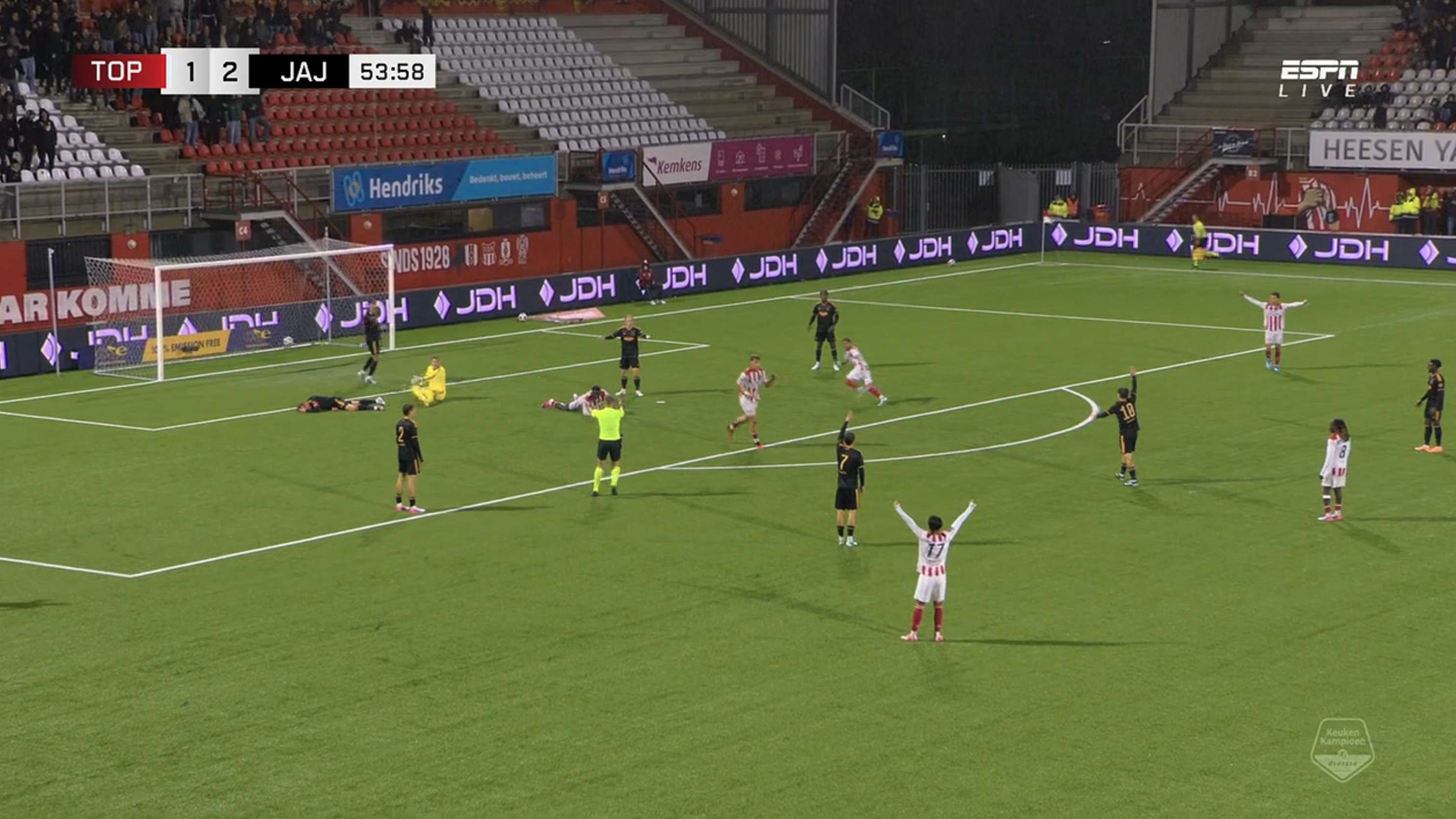
Joeri Heerkens endured a difficult return to the Jong Ajax goal on Friday evening, making two mistakes in quick succession that contributed to another frustrating moment for the Amsterdam side. The young goalkeeper first collided with his own defender while dealing with a cross, then misjudged a subsequent delivery, allowing substitute Andy Visser to score.
The errors drew attention because Friday marked Heerkens’ first appearance in goal for Jong Ajax since 14 September. His previous outing had also been a troubled one: he made two mistakes, was sent off late in the match against Jong FC Utrecht, and watched his team suffer a heavy 6-1 defeat. His latest performance will therefore add to scrutiny of his form, even as he looks to regain rhythm after a spell away from the starting role.
A difficult sequence under pressure
The first incident began when Heerkens came out to deal with a cross. In the process, he struck left-back Jahyendrow Amour in the face. Amour went down and was unable to continue immediately, leaving the situation concerning for both the player and his teammates. The collision also disrupted Jong Ajax’s defensive shape at a moment when the goalkeeper needed to provide reassurance.
Heerkens then faced another cross, but this time his judgement was off. He failed to deal with the ball cleanly, giving Visser the opportunity to score after coming on as a substitute. For a goalkeeper, those moments can be particularly damaging: a single misread delivery can quickly turn into a goal, while an earlier collision with a teammate can make it harder for the defence to stay organised.
The two incidents came close together, placing Heerkens under immediate pressure on his return. Goalkeeping errors are often magnified because they can have a direct impact on the scoreline, but they also need to be considered in context. Young players are still developing their decision-making, communication and command of the penalty area—skills that are tested most sharply when opponents send repeated balls into the box.
From suspension to a return between the posts
After being sent off against Jong FC Utrecht in September, Heerkens received a three-match suspension. During his absence, Charlie Setford was given two opportunities in goal for Jong Ajax. Heerkens returned to the matchday squad on Friday and was selected to start, making the appearance an important chance to re-establish himself.
A return to the team does not automatically mean a goalkeeper has regained full match sharpness. Training can help players maintain their technique, but competitive situations demand quick decisions in crowded areas, clear communication with defenders and confidence when claiming crosses. Friday’s incidents highlighted how quickly those demands can combine, particularly for a goalkeeper who had not played for Jong Ajax since his dismissal.
For the coaching staff, the challenge will be to assess the performance without allowing one difficult evening to define the player’s progress. They will need to consider the quality of the opposition’s deliveries, the organisation in front of Heerkens and how he responds in training and future selection. The next step is likely to focus on restoring confidence and sharpening the timing of his decisions when leaving his line.
A significant investment with a long-term contract
Ajax signed Heerkens from Sparta Prague in 2025 for a reported fee of €2 million. The move was made under technical director Alex Kroes, and the goalkeeper’s contract at the Johan Cruyff ArenA runs until mid-2030. That long-term agreement reflects the club’s willingness to invest in his potential, rather than treating him as a short-term addition.
Ajax have a long tradition of developing young players, and Jong Ajax is an important part of that pathway. The reserve side gives prospects regular exposure to senior football, where the pace, physicality and consequences of mistakes can be very different from youth competition. For a goalkeeper, that experience is especially valuable: learning to recover after an error is as important as mastering positioning and handling.
Heerkens’ transfer fee and contract length will naturally increase attention on his performances, but they do not remove the time required for development. Goalkeepers often need consistency and repeated match experience to build authority in the box. The key question is how he responds to this setback—whether he can put the errors behind him, communicate more decisively and demonstrate greater control in upcoming appearances.
What comes next for Jong Ajax?
Jong Ajax’s upcoming schedule includes a KNVB Cup fixture against ZWO on 29 October 2026, followed by an Eerste Divisie match against Vitesse on 3 November. Those games could offer Heerkens another opportunity to show that Friday’s performance was a difficult night rather than a lasting loss of confidence. Selection will depend on the coaching staff’s assessment and the competition for the goalkeeper position.
For supporters following the club’s young talent, the next appearance will be worth watching not only for the result but also for Heerkens’ response to pressure. A goalkeeper’s recovery after a mistake often reveals as much as the mistake itself. Clearer communication, better timing on crosses and composure after setbacks would provide encouraging signs.
Friday’s performance was undoubtedly disappointing, and the two incidents gave Jong Ajax problems at a crucial point in the match. Still, a single game does not settle a young player’s future. The most useful prediction is that Heerkens’ progress will depend on how quickly he learns from the episode and whether he can turn the experience into greater confidence. For Ajax, the priority will be helping a promising signing develop the consistency required to compete at a higher level.