
Rome City Council Requests Further Documents from Lazio for Flaminio Stadium Project
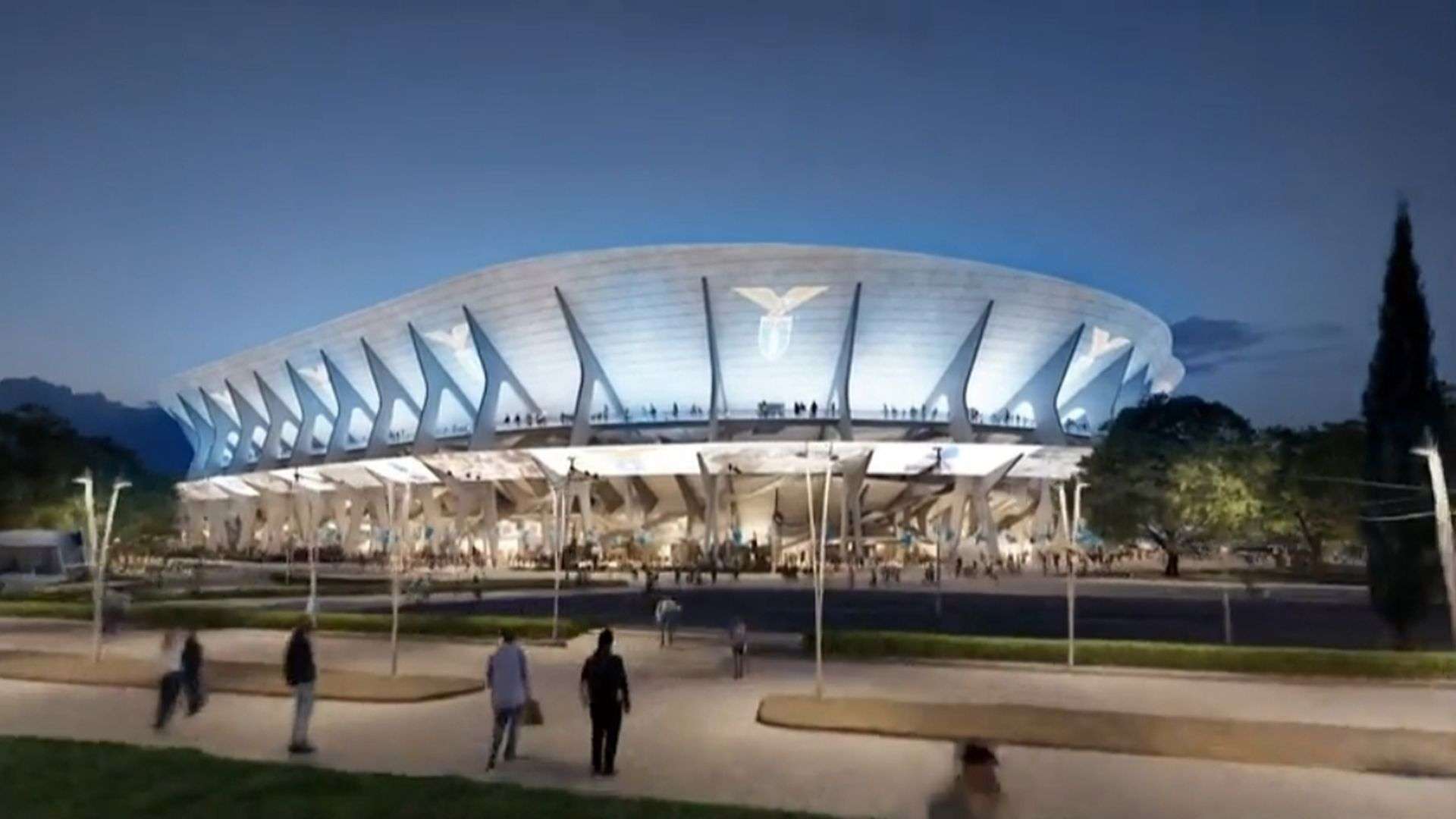
The City of Rome has recently requested additional supporting documents from Lazio regarding the Flaminio Stadium project. This request comes after Rome City Council raised concerns about the redevelopment plan proposed by the football club.
Revised Redevelopment Plan Required
Lazio’s initial redevelopment plan for the Flaminio Stadium has been deemed insufficient by Rome City Council, prompting the request for further documentation. The council has identified several critical issues that need to be addressed before the planning permission process can proceed.
According to city officials, the current plan does not meet the necessary requirements for the redevelopment of the stadium. The council has requested substantial amendments to be made in order to ensure that the project aligns with the city’s regulations and standards.
Concerns Raised by Rome City Council
One of the key concerns raised by Rome City Council is the lack of detailed information provided in the original plan. The council has requested more comprehensive documentation to support the proposed redevelopment of the Flaminio Stadium.
Additionally, the council has highlighted issues related to the environmental impact of the project. Rome City Council is keen on ensuring that the redevelopment plan takes into account the environmental sustainability of the stadium and its surrounding areas.
Collaborative Efforts Needed
In response to the council’s request, Lazio will need to work closely with city officials to address the concerns raised and revise the redevelopment plan accordingly. Collaboration between the football club and Rome City Council will be crucial in moving the project forward.
Both parties are expected to engage in constructive dialogue to find common ground and ensure that the Flaminio Stadium project meets the city’s requirements. The success of the redevelopment plan will depend on the ability of Lazio and Rome City Council to work together effectively.
Future of the Flaminio Stadium Project
While the request for further documentation may cause some delays in the planning permission process, it is ultimately aimed at ensuring the successful redevelopment of the Flaminio Stadium. Rome City Council’s thorough review of the initial plan demonstrates their commitment to upholding standards and regulations for major projects in the city.
As Lazio works on revising their redevelopment plan in response to the council’s concerns, the football club will need to prioritize addressing the critical issues identified. By collaborating with city officials and providing the necessary documentation, Lazio can move closer to obtaining approval for the Flaminio Stadium project.
In conclusion, the request for additional supporting documents from Lazio underscores the importance of thorough planning and collaboration in major development projects. By working together, Lazio and Rome City Council can ensure that the Flaminio Stadium project meets the city’s standards and contributes positively to the local community.
Impact of the Flaminio Stadium Project on the Community
One of the key considerations for the redevelopment of the Flaminio Stadium is its potential impact on the local community. Beyond the concerns raised by Rome City Council regarding the technical aspects of the project, there is also a focus on how the stadium redevelopment will benefit or affect residents in the surrounding area.
Community engagement and input are crucial in ensuring that the Flaminio Stadium project aligns with the needs and interests of the people who will be most affected by the redevelopment. Lazio will need to take into account the feedback from local stakeholders, including residents, businesses, and community organizations, to create a plan that is not only compliant with city regulations but also enhances the quality of life for those living nearby.
By incorporating community perspectives into the redevelopment plan, Lazio can demonstrate its commitment to being a good neighbor and contributing positively to the local area. This approach can help build support for the project and foster a sense of ownership and pride among community members.
Environmental Sustainability in Stadium Redevelopment
Another important aspect of the Flaminio Stadium project is its environmental impact and sustainability. As cities around the world increasingly prioritize eco-friendly development and green infrastructure, Rome City Council’s emphasis on ensuring that the stadium redevelopment plan aligns with environmental standards is a reflection of this growing trend.
Lazio will need to incorporate sustainable design features and practices into the stadium redevelopment to minimize its carbon footprint, reduce energy consumption, and promote environmental conservation. This may include incorporating renewable energy sources, implementing water-saving measures, and enhancing green spaces in and around the stadium.
By prioritizing environmental sustainability in the Flaminio Stadium project, Lazio can not only meet the city’s requirements but also contribute to the broader goal of creating a more sustainable and resilient urban environment. This approach can set a positive example for other development projects in Rome and inspire more environmentally conscious design and construction practices in the city.
Strategic Partnerships and Funding for Stadium Redevelopment
In addition to addressing the concerns raised by Rome City Council and ensuring compliance with regulations, Lazio will also need to consider the financial aspects of the Flaminio Stadium project. Stadium redevelopment projects often require significant investments in infrastructure, construction, and amenities, which may necessitate strategic partnerships and funding sources.
Lazio could explore partnerships with private investors, sponsors, or government agencies to secure the necessary funding for the stadium redevelopment. By leveraging external resources and expertise, the football club can enhance the quality and scope of the project while also sharing the financial burden associated with such a large-scale development.
Furthermore, strategic partnerships can bring additional benefits to the Flaminio Stadium project, such as access to specialized knowledge, technology, and resources that can help optimize the design, construction, and operation of the stadium. By collaborating with external stakeholders, Lazio can strengthen the project’s viability and sustainability while also fostering valuable relationships within the community and beyond.
Conclusion
As Lazio navigates the process of revising its redevelopment plan for the Flaminio Stadium in response to Rome City Council’s request for further documents, there are numerous factors to consider beyond technical requirements. Community engagement, environmental sustainability, strategic partnerships, and funding sources all play a crucial role in shaping the success and impact of the stadium redevelopment project.
By addressing these aspects comprehensively and collaboratively, Lazio can not only meet the city’s standards and regulations but also create a stadium that enriches the local community, minimizes its environmental footprint, and secures the necessary resources for its realization. The Flaminio Stadium project has the potential to be a model of sustainable and inclusive urban development, showcasing the power of effective collaboration and forward-thinking design in major construction projects.