
GothamChess Releases Groundbreaking Book “Chess for Babies” to Teach Infants the Basics of the Game
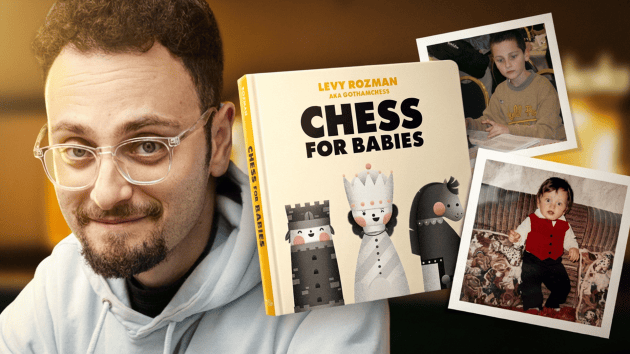
Levy Rozman, known as GothamChess to his 7.2 million YouTube subscribers, has taken the chess world by storm once again with the release of his latest book, “Chess for Babies.” Building on the success of his previous book, “How to Win at Chess: The Ultimate Guide for Beginners and Beyond,” Rozman’s newest endeavor aims to introduce the game of chess to the youngest of minds.
A New Approach to Teaching Chess
Despite initial skepticism, Rozman has assured fans that “Chess for Babies” is not a joke or a scam. The book, which targets children as young as one day old up to three years old, focuses on high-contrast visuals to stimulate infants’ developing vision and minds. Unlike traditional children’s chess books, “Chess for Babies” is designed to introduce the basics of the game without the need for complex storytelling.
Rozman was inspired to create the book after noticing a trend of educational titles like “Quantum Physics for Babies” and “Neural Network for Babies.” With his wife’s suggestion, the idea for “Chess for Babies” was born, and the book has quickly gained traction, reaching number one in Children’s Board Games Books before its release on March 3.
An Innovative Approach to Early Learning
One of the unique features of “Chess for Babies” is its chew-proof design, ensuring that even the most curious infants can safely explore the book. Rozman’s attention to detail in creating a durable yet engaging product reflects his commitment to making chess accessible to all ages.
The release of “Chess for Babies” comes at a time when young chess prodigies are making headlines around the world. With children as young as three showing promise in the game, the early exposure to chess provided by books like Rozman’s could shape the next generation of chess champions.
Looking Towards the Future
As Rozman continues to push the boundaries of chess education, he envisions a future where children raised on “Chess for Babies” could one day challenge grandmasters themselves. With the support of platforms like ChessKid, which has launched “Little Gotham” in honor of baby Levy, the possibilities for young chess enthusiasts are limitless.
For parents, caregivers, and chess enthusiasts alike, “Chess for Babies” offers a unique opportunity to engage with the game in a whole new way. Whether you’re a seasoned player or a complete beginner, Rozman’s latest book promises to be a valuable addition to any chess lover’s collection.
Final Thoughts from GothamChess
As Rozman prepares for the release of “Chess for Babies” on March 3, he leaves us with a final sales pitch: “If you’re a baby, if you have a baby, if you’re expecting a baby, know somebody who’s a baby—get the book. It’ll teach a baby, it’ll teach you, it’ll teach your friend. And unfortunately, you might start losing to more three-year-olds.”
With “Chess for Babies,” Levy Rozman is not only revolutionizing the way we teach chess but also opening up a world of possibilities for the youngest members of the chess community. Who knows—maybe the next world champion is learning their first moves from “Chess for Babies” as we speak.
Benefits of Introducing Chess to Babies
Introducing chess to babies at such a young age can have numerous benefits beyond just learning the game. Studies have shown that early exposure to chess can enhance cognitive development, improve problem-solving skills, and foster critical and strategic thinking. By engaging with chess from infancy, babies can develop skills that will benefit them in various aspects of their lives as they grow older.
Furthermore, learning chess at a young age can also help improve memory, concentration, and patience. These are essential skills that can translate into academic success and overall mental acuity. By starting early with “Chess for Babies,” parents can set their children on a path towards intellectual growth and success.
Expanding the Reach of Chess Education
Levy Rozman’s innovative approach to teaching chess to babies opens up a whole new realm of possibilities for chess education. By introducing the game to infants, Rozman is breaking down barriers and stereotypes associated with chess being a game for older children or adults. “Chess for Babies” has the potential to democratize chess education and make it accessible to a much wider audience from an early age.
With the rise of digital platforms and online resources, the reach of chess education has expanded significantly. Initiatives like “Little Gotham” on ChessKid demonstrate the growing interest and support for introducing chess to children at a young age. By leveraging these platforms, parents and caregivers can further enhance their children’s chess learning experience beyond the pages of a book.
The Future of Chess Education
As the popularity of chess continues to grow, the release of “Chess for Babies” marks a significant milestone in the evolution of chess education. By starting the learning process from infancy, children can develop a deep understanding and appreciation for the game, setting the stage for future success and achievement in the world of chess.
With the continued support of influencers like Levy Rozman and the dedication of parents and caregivers to provide early exposure to chess, the future of chess education looks bright. Who knows what new innovations and breakthroughs in teaching methods may arise as more and more children are introduced to the game at a young age through initiatives like “Chess for Babies.”
Embracing the Power of Chess
Chess has long been celebrated for its ability to enhance critical thinking, problem-solving, and decision-making skills. By embracing the power of chess and introducing it to babies through innovative resources like “Chess for Babies,” we are not only shaping the next generation of chess players but also cultivating a community of lifelong learners and thinkers.
As we look towards a future where chess is accessible to all ages and demographics, the impact of early chess education cannot be understated. With initiatives like “Chess for Babies” leading the way, we are witnessing a transformation in how we approach teaching and learning chess, paving the way for a new era of chess enthusiasts and champions.
By expanding the reach of chess education to the youngest members of society, we are sowing the seeds for a future where the game of chess is not only a source of entertainment but also a powerful tool for intellectual growth, development, and success. Levy Rozman’s “Chess for Babies” is just the beginning of what promises to be a revolution in how we teach and engage with chess from the earliest stages of life.