
Liverpool FC Takes Stand Against Online Hate Towards Ibrahima Konate
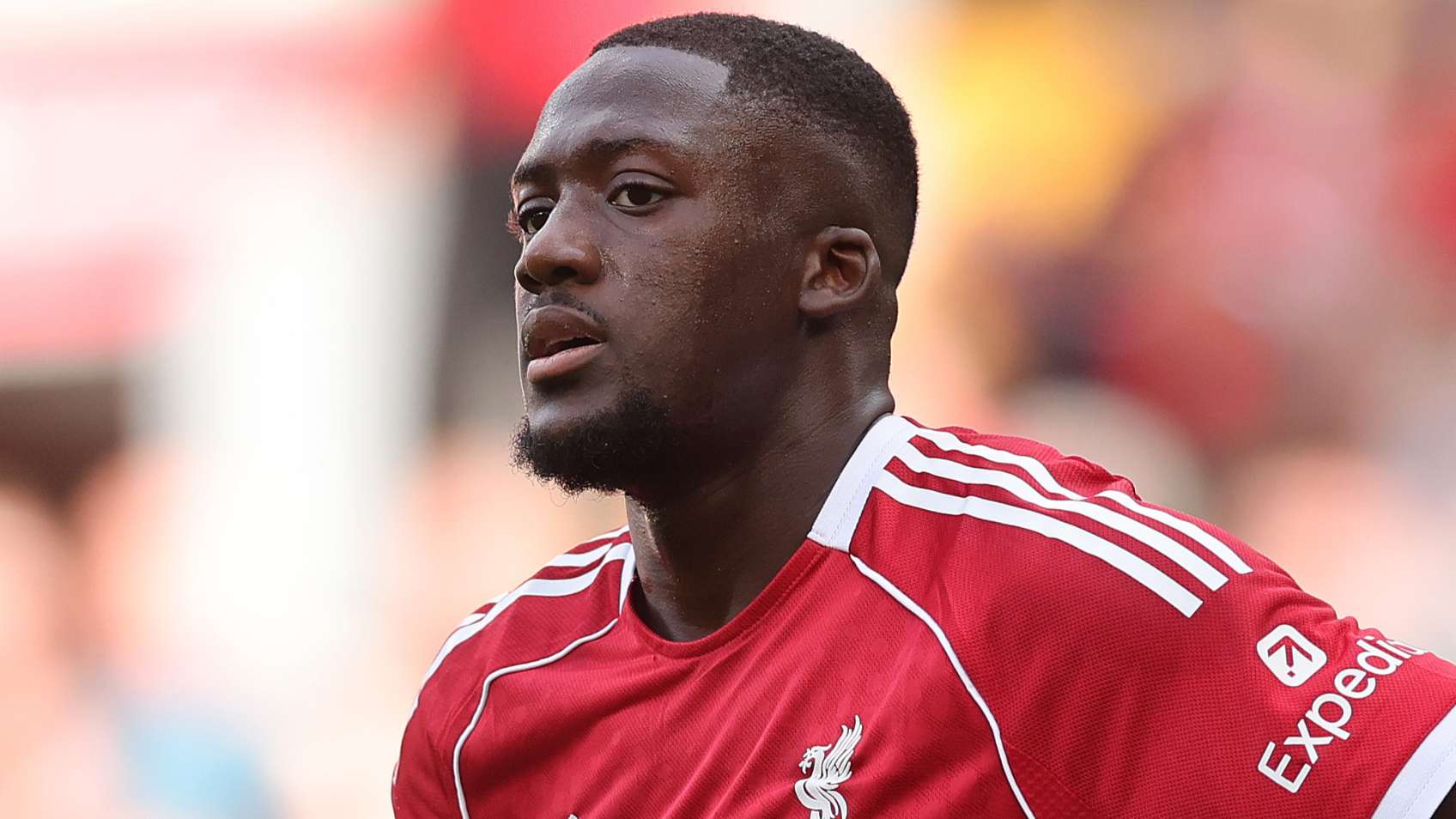
Recent targeted attacks against Liverpool’s French centre-back, Ibrahima Konate, have prompted the club to issue a scathing response. The incidents have sparked a call for immediate action from social media platforms to protect players from dehumanizing online hate.
Player Safety and Accountability
As one of the top football clubs in the world, Liverpool FC has always prioritized the safety and well-being of its players. The recent wave of abusive and hateful messages directed towards Ibrahima Konate has raised serious concerns within the club and the football community at large.
These targeted attacks have not only affected Konate personally but have also highlighted the broader issue of online abuse faced by footballers and athletes. The club is now demanding immediate accountability from social media platforms to take a stand against such behavior and ensure the protection of their players.
Impact of Online Hate
The rise of social media has provided a platform for fans to engage with their favorite players and clubs, but it has also opened the door to a darker side of online behavior. The anonymity and accessibility of these platforms have made it easier for individuals to spread hate and vitriol without facing any consequences.
For professional athletes like Ibrahima Konate, who are constantly in the public eye, dealing with online abuse can take a toll on their mental health and well-being. The club recognizes the impact that such hate can have on its players and is committed to taking a stand against it.
Call for Action
Liverpool FC’s response to the attacks on Ibrahima Konate is not just about protecting one player but sending a message to the wider football community. The club is calling on social media platforms to implement stricter measures to identify and hold accountable those responsible for spreading hate online.
By taking a stand against online abuse, Liverpool is setting an example for other clubs and organizations to follow suit in protecting their players and promoting a safe and inclusive online environment for all fans.
Support for Konate
In the face of adversity, Ibrahima Konate has received overwhelming support from his teammates, fans, and the football community. Messages of solidarity and encouragement have flooded social media, showcasing the power of unity in standing against hate.
As Konate continues to focus on his performance on the pitch, Liverpool FC remains steadfast in their commitment to ensuring the safety and well-being of all their players. The club’s stance against online hate serves as a reminder that such behavior will not be tolerated and that accountability must be upheld.
As the football world rallies behind Ibrahima Konate, the hope is that his experience will lead to meaningful change in how online abuse is addressed and combated within the sports industry.
Root Causes of Online Hate in Football
While the recent attacks on Ibrahima Konate have brought the issue of online hate to the forefront, it is essential to delve into the root causes of such behavior. The competitive nature of football, combined with the passion and loyalty of fans, often creates a volatile environment where emotions can run high.
Additionally, the anonymity provided by social media platforms allows individuals to hide behind a screen and express vitriol without fear of repercussions. This sense of detachment from the consequences of their words can embolden people to engage in abusive behavior they might not exhibit in face-to-face interactions.
Moreover, the culture of online trolling and “keyboard warriors” has normalized the use of derogatory language and personal attacks, contributing to a toxic online ecosystem. Addressing these underlying issues requires a multi-faceted approach that involves education, advocacy, and stricter enforcement of community guidelines.
Psychological Impact on Players
The psychological toll of online hate on footballers cannot be understated. Constant exposure to negative comments, threats, and insults can erode a player’s confidence, mental well-being, and overall performance on the pitch. The pressure to perform at the highest level while facing relentless abuse online can create a significant burden for athletes.
Players like Ibrahima Konate, who are still relatively new to the club and the league, may be particularly vulnerable to the effects of online hate. Building resilience and coping strategies to deal with such adversity is crucial for their long-term success and mental health. Clubs and organizations play a vital role in providing support and resources to help players navigate these challenges.
Role of Social Media Platforms
Social media platforms have a responsibility to create a safe and respectful online environment for all users, including professional athletes. Implementing robust measures to detect and remove hate speech, harassment, and abusive content is paramount in protecting players from online abuse.
Platforms can utilize advanced technology, artificial intelligence, and human moderation to proactively monitor and address harmful behavior. Collaboration between clubs, governing bodies, and social media companies is essential to develop effective strategies for combating online hate in football and beyond.
Education and Awareness
Addressing online hate in football also requires a concerted effort to educate fans, players, and stakeholders about the impact of their words and actions online. Promoting empathy, respect, and sportsmanship in digital interactions can help foster a more positive and supportive online community.
Creating campaigns, workshops, and initiatives to raise awareness about the consequences of online hate can shift attitudes and behaviors towards a more constructive and inclusive online culture. By empowering individuals to become responsible digital citizens, the football community can work together to combat online abuse effectively.
Conclusion
The incident involving Ibrahima Konate has shed light on the pervasive issue of online hate in football and the urgent need for collective action to address it. By standing up against abusive behavior, Liverpool FC is sending a powerful message that hate has no place in the sport.
As the football world rallies behind Konate and other players facing online abuse, the momentum for change continues to grow. By fostering a culture of respect, accountability, and support, the football community can create a safer and more inclusive environment for everyone involved in the beautiful game.
Together, we can build a future where players like Ibrahima Konate can thrive on the pitch without fear of online harassment and discrimination.