
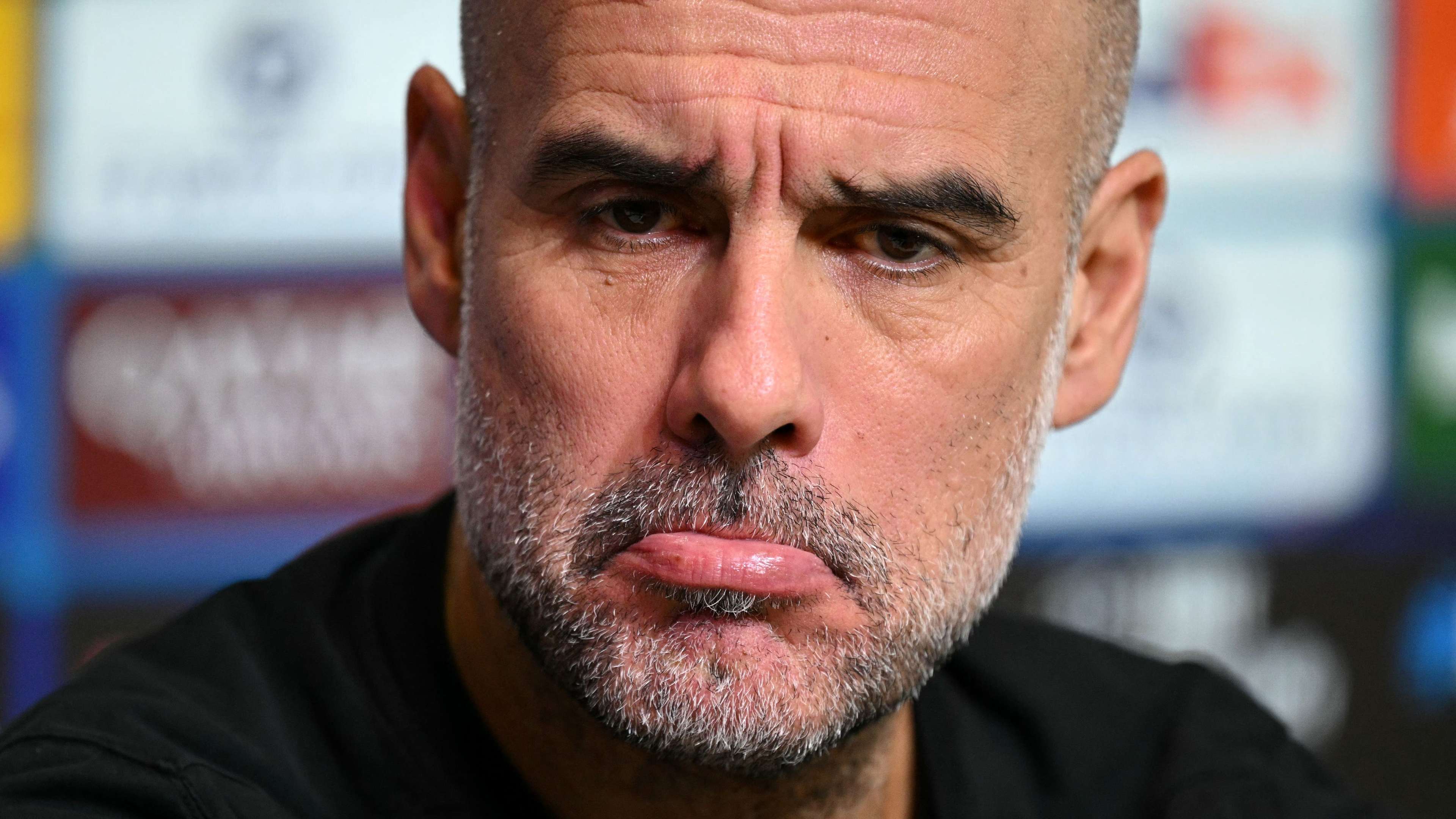

LaLiga President Javier Tebas Criticizes Manchester City’s “Impunity” in Financial Charges Case
LaLiga President Javier Tebas has taken aim at Manchester City, accusing the Premier League club of having “impunity” in the face of ongoing financial charges. The club currently faces a staggering 115 charges related to financial misconduct, yet the investigation shows no signs of coming to a conclusion any time soon.
Tebas expressed his frustration with the situation, stating that it is “damaging” and weakens the institution as a whole. The LaLiga president’s comments shed light on the ongoing battle between football clubs and governing bodies over financial fair play regulations.
Manchester City’s Ongoing Legal Battle
Manchester City has been under scrutiny for their financial dealings for several years now. The club has faced allegations of breaching financial fair play regulations by inflating sponsorship deals to circumvent spending limits. The Premier League club has consistently denied any wrongdoing, but the charges continue to pile up.
The ongoing legal battle has put Manchester City under immense pressure, with the club’s reputation at stake. While they continue to dominate on the pitch, off-field controversies threaten to tarnish their success.
LaLiga President’s Criticism
Javier Tebas did not hold back in his criticism of Manchester City and the Premier League’s handling of the situation. The LaLiga president accused the club of having “impunity” in the face of the charges, highlighting the lack of progress in the investigation.
Tebas suggested that the ongoing legal battle has weakened the institution as a whole, calling for swift action to address the situation. The LaLiga president’s comments reflect the growing frustration within the football community over the perceived lack of accountability for clubs accused of financial misconduct.
The Impact on Football
The ongoing legal battle between Manchester City and the Premier League has far-reaching implications for the world of football. The case has once again brought the issue of financial fair play regulations to the forefront, highlighting the need for greater transparency and accountability in the sport.
Clubs around the world are closely watching the developments in the Manchester City case, as the outcome could set a precedent for how financial misconduct is handled in the future. The controversy surrounding the Premier League club serves as a cautionary tale for other teams tempted to bend the rules for financial gain.
In conclusion, the LaLiga president’s criticism of Manchester City’s “impunity” in the face of ongoing financial charges sheds light on the challenges facing the world of football. The case serves as a stark reminder of the importance of upholding financial fair play regulations and holding clubs accountable for their actions.
The Complexity of Financial Fair Play Regulations
Financial fair play regulations were implemented by governing bodies to ensure that football clubs operate within their means and prevent excessive spending that could lead to financial instability. However, the enforcement of these regulations has proven to be a contentious issue, with many clubs finding ways to navigate loopholes and evade scrutiny.
Manchester City’s case exemplifies the challenges faced by regulatory bodies in policing financial misconduct effectively. The club’s alleged manipulation of sponsorship deals to inflate their revenue and bypass spending limits highlights the need for greater oversight and transparency in the financial dealings of football clubs.
The Role of Wealthy Owners in Football
One of the underlying issues in cases of financial misconduct in football is the influence of wealthy owners and investors. Clubs backed by billionaire owners often have the financial resources to outspend their competitors, leading to concerns about the integrity of the competition and the potential for unfair advantages.
In the case of Manchester City, the club’s owner, Sheikh Mansour bin Zayed Al Nahyan, has invested significant amounts of money into the club, propelling them to success both domestically and in European competitions. However, the source of this funding and the club’s compliance with financial fair play regulations have come under scrutiny, raising questions about the balance between financial investment and fair play.
The Global Impact of Financial Misconduct
While Manchester City’s case has garnered significant attention in Europe, the implications of financial misconduct extend beyond the boundaries of the Premier League. The globalization of football has made the sport a lucrative business, attracting investment from around the world and increasing the stakes for clubs to succeed both on and off the pitch.
The outcome of the ongoing legal battle between Manchester City and the Premier League could set a precedent for how financial misconduct is addressed in other leagues and regions. The need for greater accountability and transparency in financial dealings is a universal concern that impacts the integrity of the sport as a whole.
The Call for Reform and Accountability
As the football community grapples with the challenges posed by financial misconduct, there is a growing consensus that reform is needed to ensure the long-term sustainability and fairness of the sport. Governing bodies, club owners, and fans alike are calling for greater accountability, stricter enforcement of regulations, and increased transparency in financial transactions.
The case of Manchester City serves as a wake-up call for the football industry to address the loopholes and shortcomings in current financial regulations. The LaLiga president’s criticism of the club’s “impunity” underscores the urgency of the situation and the need for decisive action to uphold the principles of financial fair play.
In conclusion, the ongoing legal battle between Manchester City and the Premier League highlights the complex interplay between financial interests, regulatory compliance, and the integrity of football. The case underscores the need for a renewed commitment to transparency, accountability, and fairness in the financial operations of football clubs to uphold the values of the sport and ensure a level playing field for all teams.