
Manchester United Legend Rio Ferdinand Reveals Struggle with Chronic Back Pain
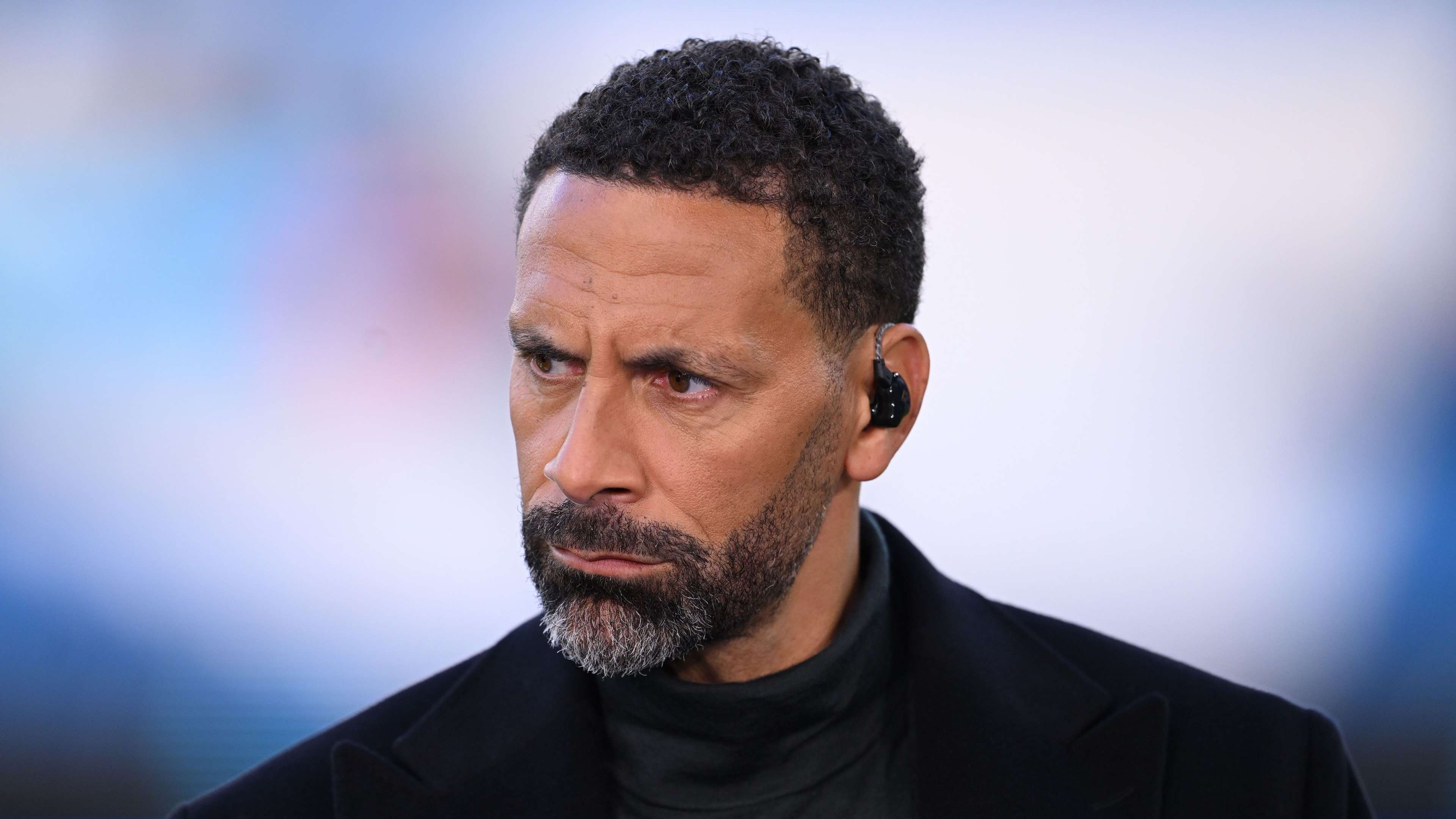
Former Manchester United star Rio Ferdinand has shared the harsh reality of the toll his illustrious football career has taken on his body. The 47-year-old, who is widely regarded as one of the greatest defenders in the history of the sport, recently opened up about his battle with chronic back pain that sometimes leaves him unable to walk.
During his tenure with the Red Devils, Ferdinand was a key figure in the team’s success, helping them win numerous titles both domestically and internationally. However, behind the glitz and glamour of his on-field achievements lies a story of physical hardship that has continued long after he hung up his boots.
The Physical Cost of Success
Ferdinand’s admission sheds light on the often-overlooked aspect of professional football – the toll it can take on a player’s body. Despite the fame and fortune that come with a successful career in the sport, many players face long-term physical repercussions that can impact their quality of life even after retirement.
According to Ferdinand, his chronic back pain has become so severe at times that he has needed hospital treatment and even relied on a wheelchair to get around. The once agile and athletic defender now faces daily battles with pain and discomfort, serving as a stark reminder of the sacrifices made in the pursuit of greatness on the pitch.
A Cautionary Tale
While Ferdinand’s story is certainly one of resilience and determination, it also serves as a cautionary tale for aspiring young footballers. The glamour of playing for a top club like Manchester United may seem enticing, but the harsh reality of the physical demands of the sport cannot be ignored.
It is essential for players to prioritize their long-term health and well-being, even as they chase their dreams of footballing success. Proper training, injury prevention strategies, and post-career planning are all crucial aspects of ensuring that players can enjoy a fulfilling life beyond their time on the pitch.
The Importance of Prediction and Prevention
Football is a physically demanding sport that can take a significant toll on the body over time. Injuries, such as chronic back pain, are not uncommon among players, especially those who have enjoyed long and successful careers at the highest level.
Therefore, it is crucial for players, coaches, and medical staff to prioritize prediction and prevention strategies to minimize the risk of long-term physical damage. Regular monitoring, early intervention, and personalized care plans can all play a vital role in ensuring that players can enjoy a healthy and active lifestyle long after they retire from the game.
In conclusion, Rio Ferdinand’s candid revelation about his battle with chronic back pain serves as a sobering reminder of the physical toll that a career in professional football can take. It underscores the importance of prioritizing long-term health and well-being, both on and off the pitch, to ensure that players can enjoy a fulfilling and pain-free life beyond their playing days.
Impact of Chronic Injuries on Footballers
Chronic injuries like the one Rio Ferdinand is experiencing are not uncommon in the world of professional football. The physical demands of the sport, including intense training sessions, high-impact collisions during matches, and the pressure to perform at the highest level, can all contribute to long-term health issues for players.
Research has shown that footballers are at a higher risk of developing chronic conditions such as osteoarthritis, tendonitis, and back pain compared to the general population. The repetitive nature of certain movements, combined with the wear and tear on the body over time, can lead to lasting damage that may impact a player’s quality of life long after they retire.
In addition to physical injuries, the mental toll of dealing with chronic pain and the limitations it imposes can also take a significant toll on a player’s mental health. Coping with the loss of the physical abilities that once defined their identity can be a challenging process for many former athletes.
The Role of Support Systems
Support systems, both within and outside of the football community, play a crucial role in helping players navigate the challenges of chronic injuries. Professional football clubs are increasingly recognizing the importance of providing comprehensive medical care, rehabilitation services, and mental health support to their players throughout their careers.
Furthermore, initiatives like the Professional Footballers’ Association (PFA) in the UK offer resources and assistance to current and former footballers dealing with physical and mental health issues. These organizations provide access to medical professionals, counseling services, and financial support to help players cope with the long-term effects of their injuries.
Looking Towards the Future
As the footballing world continues to evolve, there is a growing emphasis on prioritizing player welfare and implementing preventative measures to reduce the incidence of chronic injuries. Advances in sports science, technology, and training techniques have enabled clubs to better monitor and manage their players’ physical well-being throughout their careers.
Moreover, increased awareness of the importance of rest, recovery, and injury prevention strategies among players themselves has led to a shift in attitudes towards long-term health and longevity in the sport. Players are now more proactive in seeking out personalized care plans, incorporating strength and conditioning programs, and taking a holistic approach to their well-being both on and off the pitch.
Conclusion
Rio Ferdinand’s revelation about his struggles with chronic back pain serves as a poignant reminder of the sacrifices that professional footballers make in pursuit of their dreams. It highlights the need for greater awareness, education, and support systems to help players cope with the physical and mental challenges that come with a career in the sport.
By prioritizing prediction, prevention, and comprehensive care, players can better equip themselves to navigate the rigors of professional football and enjoy a fulfilling life both during and after their time on the pitch. As the footballing community continues to address these issues, there is hope for a future where players can thrive both on and off the field, free from the burdens of chronic injuries and pain.