
Manchester United Responds to Backlash Over Co-Owner’s Immigration Comments
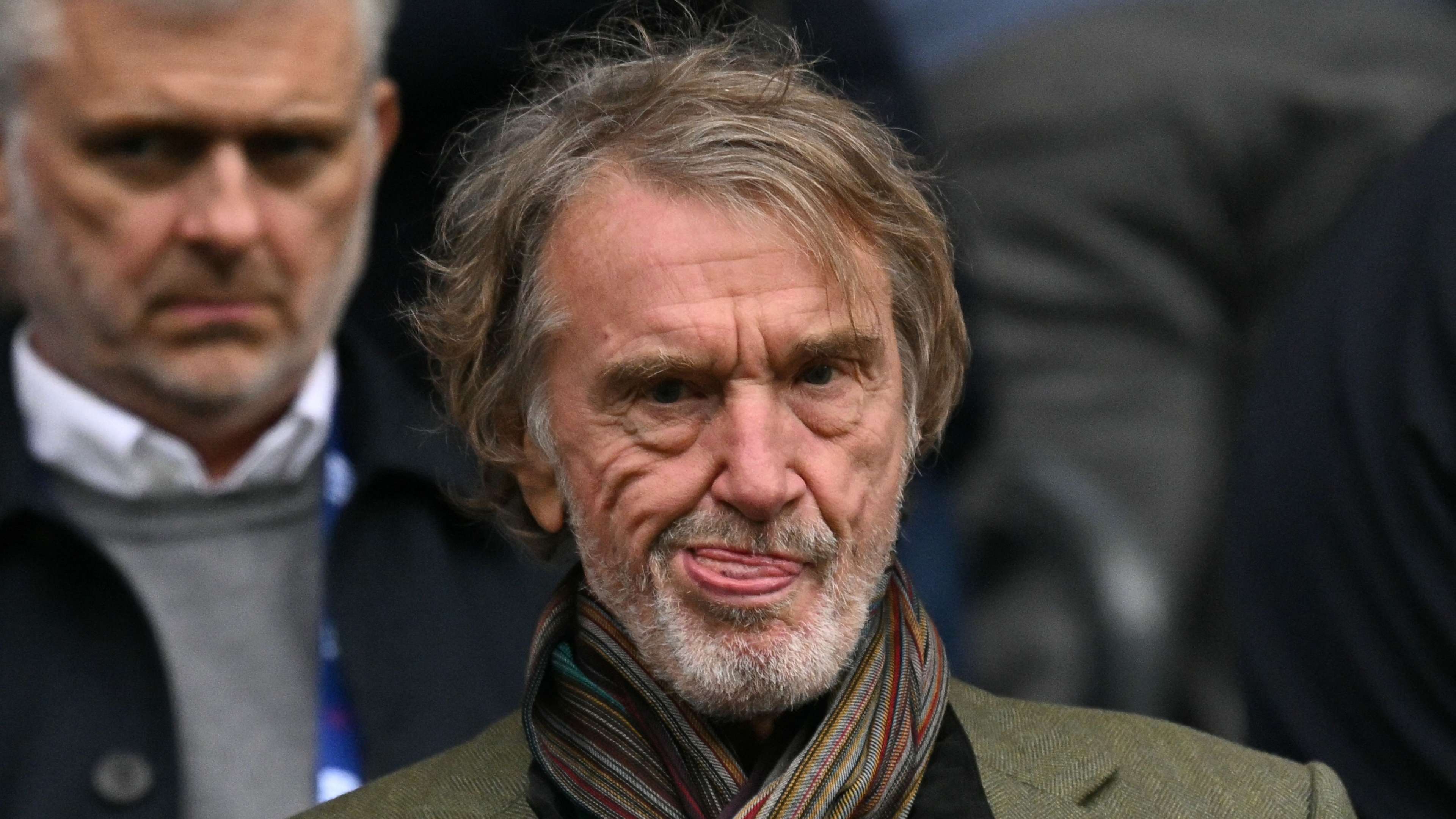
Manchester United has recently found itself embroiled in controversy following remarks made by co-owner Sir Jim Ratcliffe regarding immigration in the United Kingdom. In a statement issued by the club, Manchester United emphasized its commitment to being an “inclusive and welcoming club” despite the backlash sparked by Ratcliffe’s comments.
Intense Backlash Over Immigration Comments
Sir Jim Ratcliffe, the co-owner of Manchester United and founder of INEOS, stirred up a storm with his comments on immigration, claiming that the United Kingdom had been “colonised by immigrants.” The remarks were met with intense backlash from fans, critics, and the public at large, prompting Ratcliffe to issue an apology for his statement.
The controversy surrounding Ratcliffe’s comments has raised questions about the role of club owners in expressing their personal views on sensitive issues such as immigration. Many have criticized Ratcliffe for his divisive language and called on Manchester United to take a stand on the matter.
Manchester United’s Response
In response to the criticism and backlash, Manchester United released a statement reaffirming its values of inclusivity and diversity. The club emphasized that it is committed to fostering a welcoming environment for all individuals, regardless of background or nationality.
The statement clarified that the views expressed by Sir Jim Ratcliffe are his own and do not reflect the official stance of Manchester United. The club reiterated its dedication to promoting unity and respect both on and off the field.
Moving Forward
As the controversy continues to unfold, Manchester United faces the challenge of managing the fallout from Ratcliffe’s comments while upholding its reputation as one of the world’s most iconic football clubs. The incident serves as a reminder of the importance of careful communication and the potential impact of individuals associated with the club on its public image.
While Sir Jim Ratcliffe has apologized for his remarks, the incident has sparked discussions about the responsibilities of club owners in representing their teams and the broader football community. It remains to be seen how Manchester United will navigate this challenging situation and whether further actions will be taken in response to the controversy.
Conclusion
In conclusion, Manchester United’s response to the backlash over Sir Jim Ratcliffe’s immigration comments underscores the club’s commitment to inclusivity and diversity. As the situation unfolds, the football world will be watching closely to see how the club addresses the controversy and works to uphold its values of unity and respect.
Stay tuned for more updates on this developing story as Manchester United navigates the aftermath of this contentious issue.
Impact on Fans and Stakeholders
The fallout from Sir Jim Ratcliffe’s controversial comments has not only affected Manchester United but has also resonated with fans and stakeholders of the club. Many supporters have expressed disappointment and frustration over Ratcliffe’s remarks, emphasizing the importance of inclusivity and acceptance in football. The incident has sparked conversations about the role of club owners in shaping the public perception of their respective teams and the broader football community.
Stakeholders, including sponsors and partners of Manchester United, have also been closely monitoring the situation. The controversy surrounding Ratcliffe’s comments has raised concerns about the potential impact on the club’s brand and reputation. As a global football powerhouse, Manchester United must navigate this delicate situation with transparency and sensitivity to maintain its standing in the sports industry.
Lessons Learned for Football Clubs
The incident involving Sir Jim Ratcliffe serves as a valuable lesson for football clubs worldwide on the importance of clear communication and alignment with organizational values. Club owners, as prominent figures in the industry, must be mindful of the impact of their words and actions on fans, players, and the public. By prioritizing inclusivity, diversity, and respect, clubs can uphold a positive image and foster a welcoming environment for all individuals involved in the sport.
Furthermore, the Manchester United controversy highlights the need for robust governance structures within football clubs to address situations where individual opinions conflict with the organization’s principles. Effective crisis management strategies and proactive communication can help clubs mitigate the effects of controversial statements and maintain trust among their stakeholders.
Looking Ahead: The Role of Football in Social Issues
As football clubs continue to navigate complex societal issues, such as immigration, racism, and inequality, there is a growing recognition of the sport’s influence in driving positive change. Manchester United’s response to the controversy surrounding Sir Jim Ratcliffe’s comments underscores the club’s commitment to promoting unity and inclusivity. By using their platform to advocate for social justice and equality, football clubs can inspire meaningful dialogue and action within their communities.
Moving forward, it will be essential for clubs to proactively address sensitive topics and engage in constructive conversations that align with their values and principles. As pillars of the football community, clubs like Manchester United have the opportunity to lead by example and demonstrate the transformative power of sport in fostering a more inclusive and equitable society.
Conclusion
In conclusion, the Manchester United controversy surrounding Sir Jim Ratcliffe’s immigration comments has sparked a broader conversation about the role of club owners, values alignment, and the social impact of football. By reaffirming its commitment to inclusivity and diversity, Manchester United is setting a precedent for clubs worldwide to prioritize unity and respect in all aspects of their operations.
As the football industry continues to evolve, clubs face the ongoing challenge of balancing commercial interests with social responsibility. By embracing diversity, championing inclusivity, and addressing societal issues head-on, football clubs can leverage their influence to drive positive change and inspire generations of fans around the world.