
Rafael Nadal’s Real Madrid Board Appointment Could Shape the Club’s Future
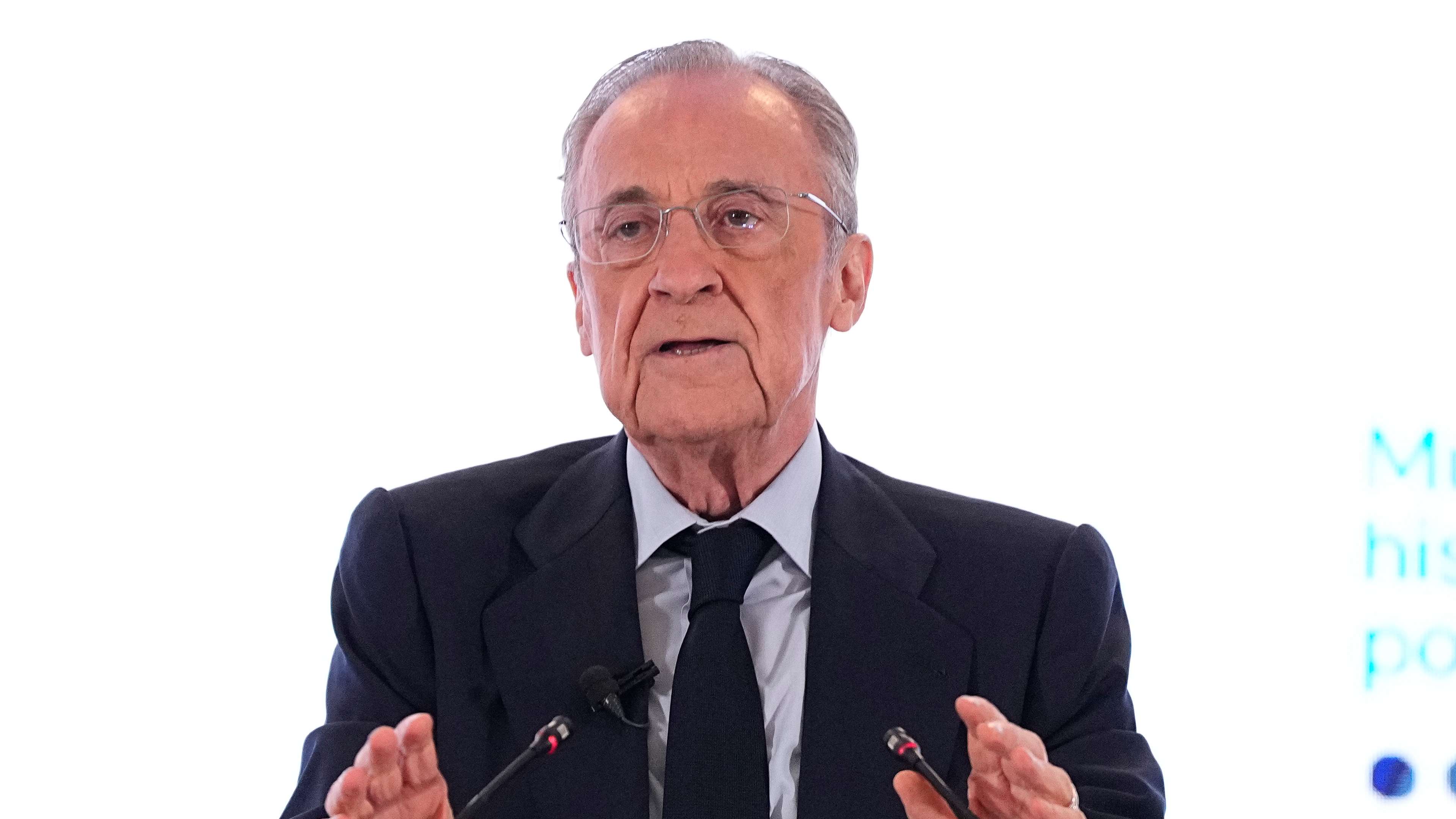
Real Madrid is preparing for a new era in which the question of who succeeds Florentino Pérez may become increasingly important. The club president is reportedly strengthening his influence within the institution while considering how to preserve the administrative and financial model he has built. The proposed arrival of tennis great Rafael Nadal on the board has therefore attracted attention—not only as an appointment, but as a possible signal about the club’s long-term direction.
Nadal’s expected appointment also complicates the ambitions of businessman Enrique Riquelme, who has previously sought to challenge Pérez for the presidency. Yet the tennis champion’s role should not be mistaken for an immediate succession plan: Real Madrid’s rules impose significant eligibility requirements, and any future presidential race would involve financial as well as political hurdles.
Nadal’s Appointment and the Succession Question
According to reporting by Catalan newspaper Sport, citing Spanish outlet El Periódico, Pérez described the decision to bring Nadal onto the board as a “brilliant move.” The appointment, announced on 4 November, is expected to be put to members for ratification at the club’s general assembly on 21 November.
Nadal is one of Spain’s most celebrated athletes and a lifelong Real Madrid supporter. His reputation, international profile and connection to the club could make him a powerful figure in its institutional life. Still, joining the board would not automatically place him in line to become president. Real Madrid’s presidential rules require candidates to have held club membership for at least 20 years. Nadal is expected to meet that threshold in 2031—one year after Pérez’s current term is due to end.
Candidates must also provide a bank guarantee worth at least 15% of the club’s expenditure budget. That requirement is intended to demonstrate financial capacity, but it can make a presidential campaign difficult for anyone without substantial backing. As a result, a future election would depend not only on popularity among members but also on whether a candidate can assemble the necessary financial and organizational support.
A challenge for Enrique Riquelme
Riquelme, a businessman who reportedly received 35% of the vote in the last elections, has been viewed as a potential rival to Pérez. Nadal’s arrival could strengthen the president’s position by bringing a widely respected public figure into the club’s leadership circle. It may also make it harder for challengers to present themselves as the natural choice for a post-Pérez era.
That does not mean the outcome of any future contest is predetermined. Real Madrid’s members ultimately have a role in approving leadership decisions, and Nadal has not been confirmed as a presidential candidate. For now, the appointment is best understood as an important board-level development rather than a formal announcement of succession.
Real Madrid’s Inner Circle and Institutional Influence
The reported reshaping of influence extends beyond Nadal. Several figures close to Pérez are said to hold important responsibilities across the club’s strategic, commercial and financial operations. Moroccan businessman Anas Laghrari has reportedly contributed to major financial and strategic matters, including work connected to the redevelopment of the Santiago Bernabéu stadium.
Bernd Reichart has also taken on a prominent commercial role, overseeing areas such as sponsorship, stadium revenue and the broader use of Real Madrid’s global brand. These activities operate under the supervision of general director José Ángel Sánchez, a long-standing senior executive at the club.
Reports have also highlighted the presence of members of Pérez’s family in the club’s wider circle. His grandson, Eduardo Pérez Ortiz, is said to work on investments and strategic operations, while his son, Florentino Junior, and brother Enrique—who serves as a vice-president of the board—are also associated with the institution’s leadership environment. Their involvement underscores how closely Real Madrid’s governance, business strategy and presidential network are connected.
A Proposed €1 Billion Financial Restructuring
Beyond board appointments, Pérez is reportedly considering a major institutional restructuring designed to provide Real Madrid with up to €1 billion in new capital. The proposal, as described in Spanish media reports, would involve selling a minority stake to financial investors while keeping control of the club in its existing hands. It would also stop short of converting Real Madrid into a sporting joint-stock company.
Potential investors mentioned in connection with the plan include Sixth Street and parties linked to French billionaire Bernard Arnault. No final agreement has been announced, and the details—including the size of any stake, investor rights and the use of proceeds—remain unclear. Those questions are likely to matter greatly to members, particularly because the club’s identity and independence are central to its ownership model.
Pérez had reportedly promised an extraordinary general assembly to discuss the restructuring. However, that meeting has not taken place. The 21 November assembly is expected to focus primarily on Nadal’s board appointment, leaving some members uneasy about when—and how—the proposed financial changes will be debated. For supporters, the key issue is not simply whether Real Madrid can raise capital, but whether it can do so without weakening member oversight or surrendering influence to outside investors.
Land Reclassification Delivers a Financial Boost
Real Madrid has also received a substantial financial lift following a correction by Madrid’s city council. The council acknowledged an error in the reclassification of land associated with the club’s sports city, increasing the reported profit connected to the matter from €1.46 million to €98.6 million.
The adjustment could strengthen the club’s financial position as it weighs investments, stadium-related opportunities and possible changes to its institutional structure. However, it should be treated separately from the proposed €1 billion investor plan: the land-related gain does not, by itself, confirm that a restructuring has been approved or that outside investment is imminent.
What the Developments Could Mean for Real Madrid
Together, the board appointment, reported succession planning and financial proposals point to a club preparing for change while attempting to maintain continuity. Nadal brings prestige and broad public appeal, while Pérez’s trusted executives and associates appear central to the day-to-day business strategy. The challenge will be balancing that continuity with transparent decision-making and meaningful discussion among members.
For fans following Real Madrid beyond the football pitch, the coming weeks may offer more insight into how the club intends to manage its next chapter. The 21 November assembly will provide a near-term test of member support for Nadal’s appointment, while the larger restructuring proposal remains unresolved. Any prediction about Nadal eventually becoming president is premature: eligibility, financing and member backing will all shape what happens next.