
Abde Ezzalzouli Returns to Form as Real Betis’ Leading Scorer
Abde Ezzalzouli is making a timely impact for Real Betis. After an injury disrupted his build-up to the 2026 World Cup, the Moroccan winger has returned to the pitch with renewed confidence—and is once again becoming a central force in the Andalusian club’s attack.
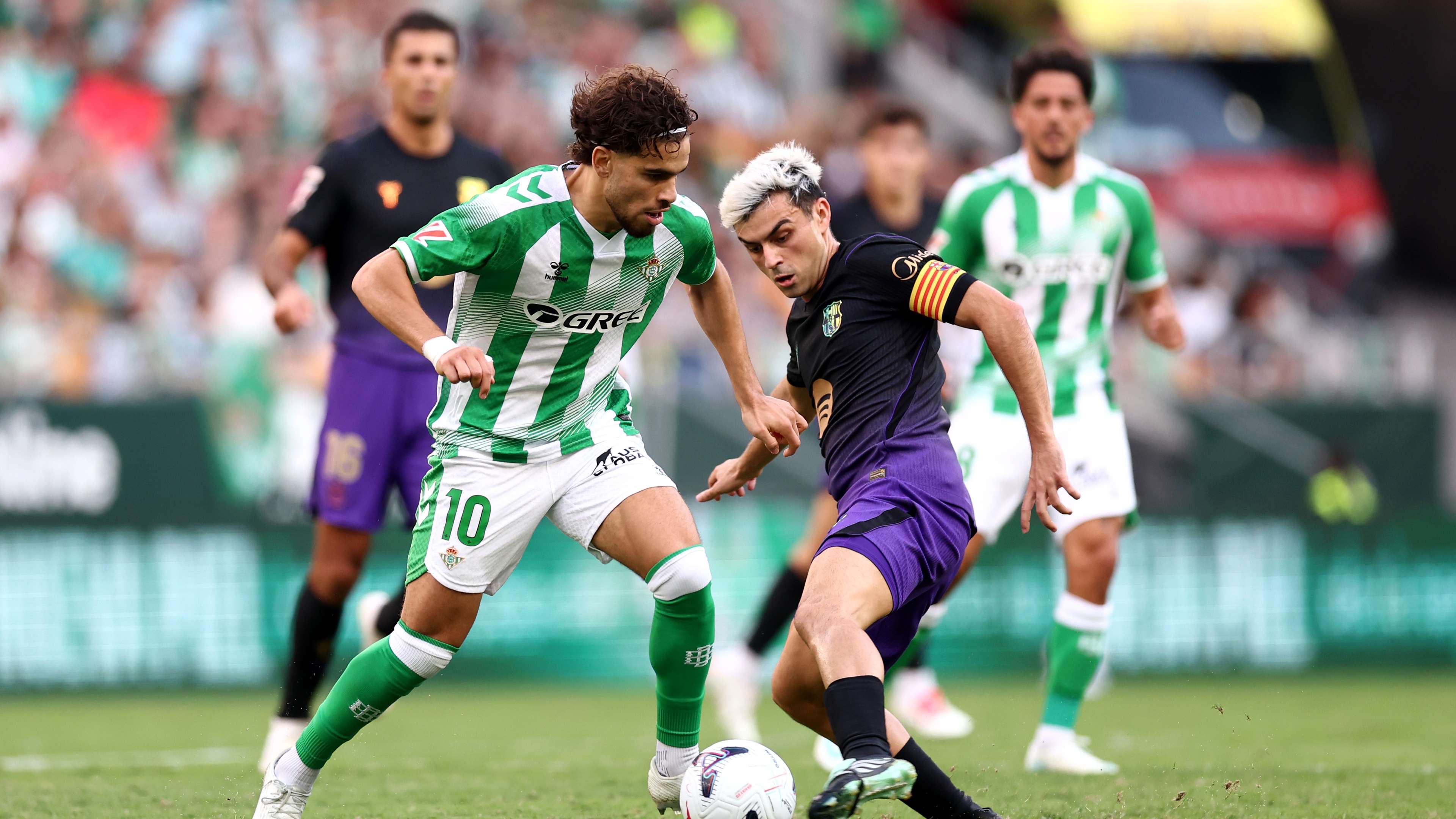
His fourth goal of the season, scored in Betis’ controversial meeting with Barcelona, carried significance beyond the result. It put Ezzalzouli clear at the top of his team’s scoring charts and offered a strong indication that he has recovered the sharpness and influence that made him one of Europe’s most exciting wide attackers last season.
A Comeback That Changes Betis’ Attacking Picture
For a player whose game depends on acceleration, balance and quick changes of direction, an injury can be especially disruptive. Ezzalzouli’s progress was therefore closely watched by Betis supporters, who had seen how much his direct running could add to the team. His recent performances suggest that the physical setback is no longer defining his season.
The 23-year-old has looked increasingly comfortable taking on defenders and attacking space. Rather than easing back into a supporting role, he has begun to influence matches in the areas where Betis need him most: near the penalty area, in one-on-one situations and during fast transitions. His goal against Barcelona was the clearest evidence yet that his recovery has translated into meaningful production.
That return to form also gives head coach Manuel Pellegrini another dependable option in the final third. Betis can use Ezzalzouli on either wing, allowing the team to vary its approach depending on the opponent. He can stay wide to stretch a defence, cut inside to shoot or combine with overlapping teammates to create openings.
More Than a Goal-Scoring Milestone
Leading Betis’ scoring list is an important achievement, but Ezzalzouli’s value is not limited to the number beside his name. His willingness to carry the ball forward can relieve pressure on the team and turn defensive recoveries into attacking opportunities. When Betis are crowded out in midfield, a winger capable of beating an opponent can provide a different route up the pitch.
His style also creates problems for defenders even when he does not score. Opponents may need to send a second player across to contain him, leaving space elsewhere for Betis’ forwards and midfield runners. That threat can alter the shape of a defence and give teammates more room to operate. In this sense, his contribution is measured not only in goals and assists, but also in the attention he attracts and the chances that follow.
The Barcelona match brought those qualities into focus. The contest was marked by controversy, but Ezzalzouli’s goal stood out as a personal statement: he is not simply back in the squad; he is again capable of changing the direction of a game. For Betis, that is a valuable development during a demanding stretch of the season.
Confidence, Consistency and the Road Ahead
One standout performance does not automatically guarantee a sustained run of form. The next challenge is consistency—maintaining his speed and decision-making across a busy schedule while avoiding the kind of physical problems that interrupted his campaign. Betis will want to manage his workload carefully, particularly as the winger continues to regain rhythm and match fitness.
There are also tactical demands to balance. Ezzalzouli’s instinct is to attack defenders directly, but the best version of his game combines that ambition with smart choices: knowing when to take on a marker, when to release the ball and when to make a run into the box. As his confidence grows, that balance could make him even more effective against organised defences.
For fans following football prediction discussions, his return is a factor worth considering when assessing Betis’ attacking prospects. A fit, confident Ezzalzouli can make the team more dangerous in transition and give it an individual spark in tight matches. Still, a single player’s form is only one part of any forecast; team selection, opposition tactics, injuries and the wider match context remain important.
A Timely Boost for Morocco and the 2026 World Cup
Ezzalzouli’s recovery matters beyond club football. With the 2026 World Cup approaching, regaining regular minutes and confidence at Betis could strengthen his case to play an important role for Morocco. The national team benefits from wide players who can stretch opponents, create chances without much space and threaten defenders in one-on-one situations.
There is still work to do before the tournament, and staying healthy will be essential. But his latest performances provide encouraging signs: the injury has not erased the qualities that made him stand out, and he appears to be rebuilding his form at a crucial point in the international cycle.
Betis’ Atlas Lion Is Back in the Spotlight
Ezzalzouli’s fourth goal has placed him at the top of Real Betis’ scoring charts and renewed attention on his role in the team. More importantly, it reflects a broader return to the explosive, confident football that supporters had been waiting to see again.
Betis now have a winger capable of supplying goals, stretching defences and changing the pace of an attack. If he can maintain his fitness and turn this promising spell into a consistent run, Ezzalzouli could become one of the defining figures of the club’s season—and arrive at the 2026 World Cup in far stronger shape than his injury-hit build-up once suggested.