
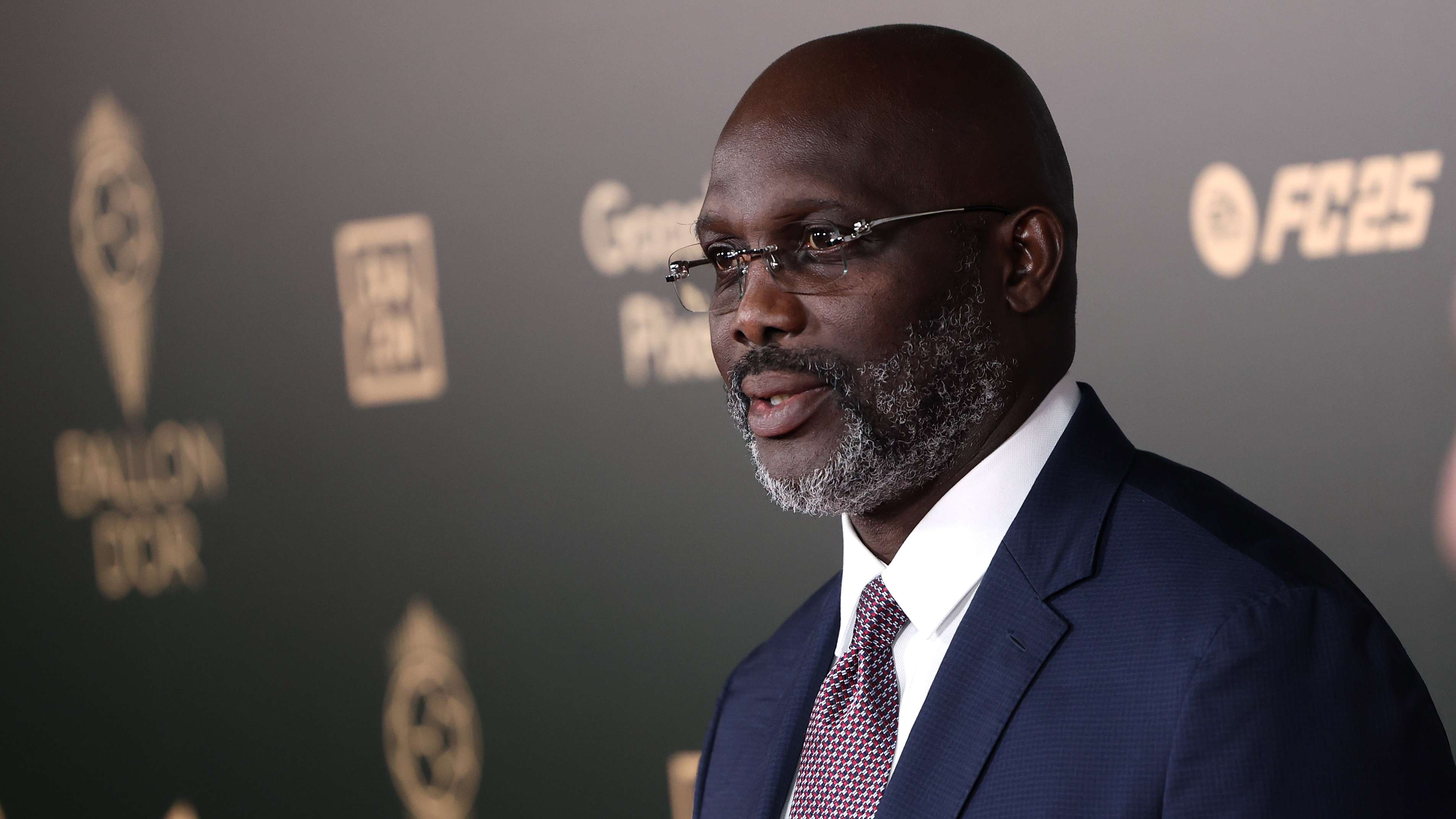

Former Liberian Striker Speaks Out on Africa Cup of Nations Controversy
The decision by the Confederation of African Football (CAF) to strip Senegal of the Africa Cup of Nations title and award it to Morocco has sparked a heated debate in the football world. Former Liberian striker, George Weah, has shared his thoughts on the controversial ruling that took place on Tuesday 17th.
Historic Ruling Shocks Football Fans
In a historic ruling, the CAF announced that the Senegalese national team had forfeited the final of the 2025 Africa Cup of Nations in Morocco. As a result, the trophy was awarded to Morocco, with the final score recorded as 3-0 in favor of the Royal Moroccan Football Federation.
The decision came after a dramatic turn of events in the final minutes of the match. The Senegalese team made a sensational protest, first arguing that a penalty should have been awarded to them. The situation escalated when the Video Assistant Referee (VAR) intervened and awarded a penalty to Morocco for a similar incident, leading to outrage from the Senegalese players and officials.
Outrage and Controversy
The controversial ruling has divided football fans and experts alike. Many have questioned the CAF’s decision to strip Senegal of the title, while others have supported the ruling, citing the rules and regulations of the game.
George Weah, a respected figure in African football, weighed in on the controversy, expressing his disappointment with the outcome of the match. “It’s a sad day for African football when a major tournament is decided by such controversial decisions,” Weah said in a statement.
Despite the outrage and debate surrounding the ruling, the CAF has stood by its decision, emphasizing the importance of upholding the integrity of the game and adhering to the rules and regulations set forth by the organization.
Looking to the Future
As the dust settles on the Africa Cup of Nations controversy, football fans around the world are left wondering about the future of the sport in Africa. Will this ruling set a precedent for future tournaments? How will it impact the relationship between the CAF and participating teams?
Only time will tell how the fallout from this decision will shape the landscape of African football. In the meantime, fans can only hope for fair and transparent officiating in future tournaments, ensuring that the spirit of the game is upheld and respected by all parties involved.
In conclusion, the Africa Cup of Nations controversy has sparked a heated debate in the football world, with the decision to strip Senegal of the title and award it to Morocco continuing to be a talking point. As fans and experts alike continue to voice their opinions on the ruling, the future of African football remains uncertain, with many hoping for fair and transparent officiating in future tournaments.
Impact on African Football
The Africa Cup of Nations controversy has undoubtedly had a significant impact on African football, raising questions about the integrity of the sport on the continent. The ruling has highlighted the need for transparency and consistency in officiating to maintain the credibility of tournaments and uphold the spirit of fair play.
As one of the most prestigious football competitions in Africa, the Africa Cup of Nations is a platform for talent showcase and national pride. The controversy surrounding the 2025 final has cast a shadow over the event, leaving a stain on its history and prompting calls for reform within the CAF to prevent similar incidents in the future.
Lessons Learned
One of the key lessons to be drawn from this controversy is the importance of clear and concise rules in football officiating. The use of technologies like VAR, while intended to minimize errors, can sometimes lead to confusion and controversy if not implemented correctly. Moving forward, there is a need for standardization and training to ensure that all stakeholders understand and adhere to the rules of the game.
Additionally, the Africa Cup of Nations controversy serves as a reminder of the power dynamics at play in football governance. The decision-making process within organizations like the CAF can have far-reaching consequences for teams, players, and fans. It underscores the need for accountability, transparency, and ethical leadership in sports administration to maintain the trust and credibility of the sport.
Building a Stronger Future
While the Africa Cup of Nations controversy has raised concerns about the state of football in Africa, it also presents an opportunity for growth and improvement. By addressing the issues highlighted by this incident and implementing reforms to enhance transparency and accountability, African football can emerge stronger and more resilient.
It is crucial for all stakeholders, including football associations, players, coaches, and fans, to work together to create a more inclusive and equitable environment for the sport. By fostering a culture of respect, fairness, and sportsmanship, African football can continue to thrive and inspire future generations of players and fans.
Conclusion
In conclusion, the Africa Cup of Nations controversy has sparked important discussions about the state of football in Africa and the need for reform within the sport. While the ruling may have been controversial, it has shed light on critical issues related to officiating, governance, and ethics in football. By learning from this experience and taking proactive steps to address the underlying challenges, African football can pave the way for a brighter and more sustainable future.
As fans and stakeholders reflect on the aftermath of the controversial final, there is hope that the lessons learned will lead to positive changes that benefit the sport as a whole. Ultimately, the Africa Cup of Nations controversy can serve as a catalyst for transformation and renewal within African football, setting the stage for a more transparent, fair, and inclusive sporting community.