
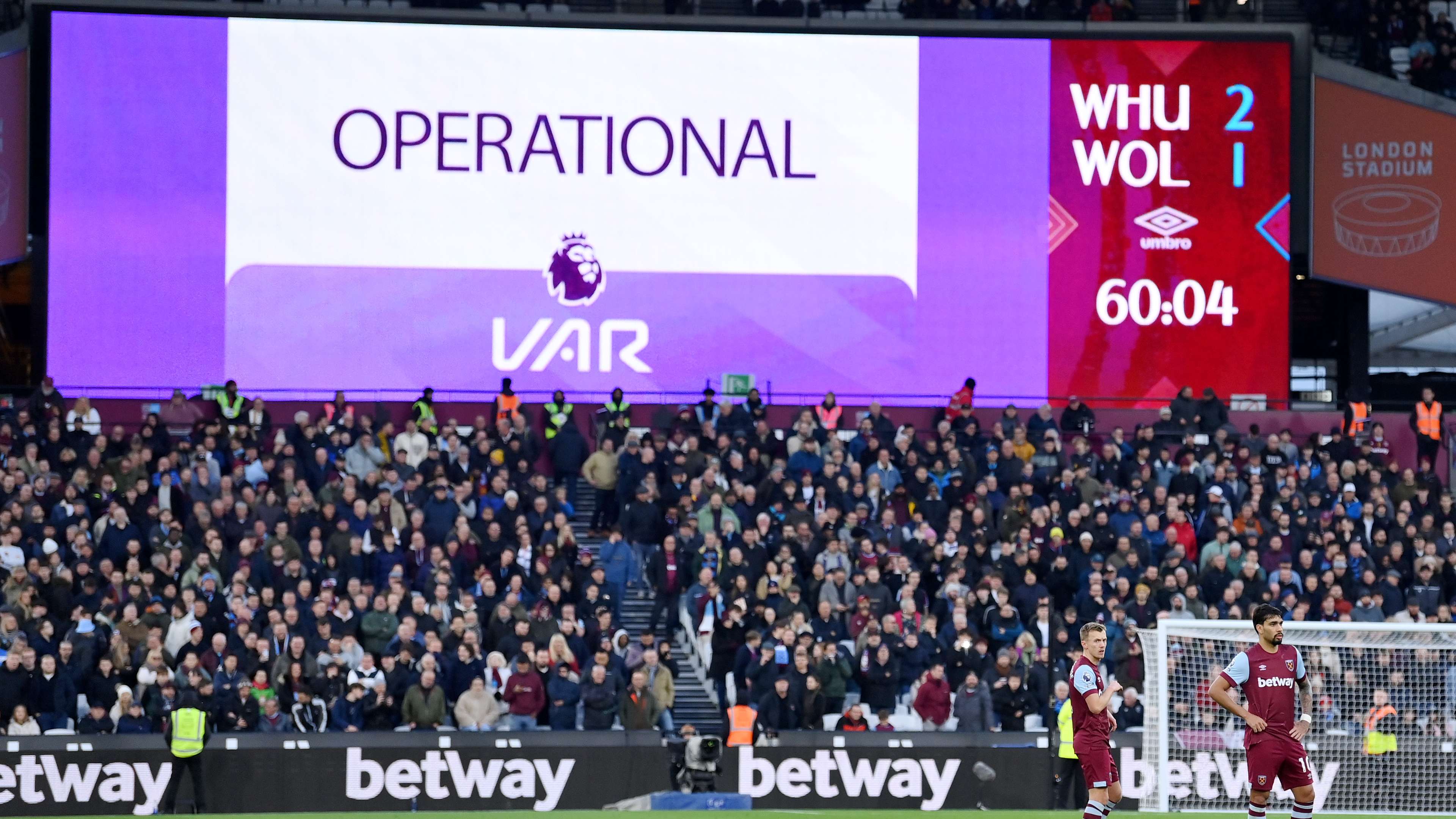

The Premier League Stands Firm on VAR Despite Fan Dissatisfaction
Recently, the Premier League found itself in the midst of controversy as the Football Supporters Association (FSA) released a survey showing widespread dissatisfaction among fans regarding the Video Assistant Referee (VAR) system. Despite 75% of surveyed match-goers calling for the technology to be scrapped, league officials are standing by their decision to continue implementing VAR in matches.
VAR’s Importance for Sporting Integrity
The Premier League has issued a firm defence of VAR, emphasizing its role in maintaining sporting integrity. While fans may be frustrated with some of the decisions made using VAR, league officials argue that the system is necessary to ensure fairness and accuracy in officiating. With the stakes high in professional football, the league believes that VAR plays a crucial role in minimizing errors and enhancing the overall quality of the game.
Clash of Opinions
The clash of opinions between fans and league officials highlights the ongoing debate surrounding VAR in football. While some argue that the technology disrupts the flow of the game and leads to controversial decisions, others believe that it is a necessary tool to avoid major officiating errors. As the Premier League grapples with this divide, finding a balance between fan satisfaction and maintaining the integrity of the sport remains a challenging task.
A Season Plagued by Officiating Errors
The current season has been marred by a documented rise in officiating errors, further fueling the debate around VAR. With key decisions impacting the outcome of matches, fans are more vocal than ever in their criticism of the system. However, league officials are quick to point out that VAR is not infallible and that human error will always be a part of the game. Despite its flaws, they believe that VAR ultimately serves to improve the accuracy of decisions on the field.
Looking Ahead
As the Premier League moves forward, it faces the challenge of addressing fan dissatisfaction while upholding the principles of fair play and integrity. The debate over VAR is likely to continue, with fans, players, and officials all weighing in on the pros and cons of the technology. Ultimately, finding a solution that satisfies all parties involved may require a balance between technology and human judgement.
In conclusion, the Premier League’s firm stance on VAR reflects the complexities of modern football officiating. While fans may express their frustrations with the system, the league remains committed to using VAR to enhance the quality of matches and ensure fairness on the field.
Keywords: football, prediction, Premier League, VAR, fan dissatisfaction
The Evolution of VAR in Football
Video Assistant Referee (VAR) technology was introduced to football in an effort to minimize officiating errors and enhance the overall fairness of the game. Initially met with optimism as a tool to improve decision-making accuracy, VAR has since sparked heated debates and divided opinions within the football community. Despite its rocky reception, VAR has become an integral part of modern football, with many leagues, including the Premier League, adopting the system to varying degrees.
Challenges and Criticisms of VAR
One of the primary criticisms leveled against VAR is its impact on the flow of the game. Fans and pundits often argue that the frequent interruptions for VAR reviews disrupt the natural rhythm of matches and diminish the excitement of live football. Additionally, there have been instances where VAR decisions have been controversial or inconsistent, leading to further frustration among supporters and players alike.
Another challenge facing VAR is the subjective nature of certain decisions. Despite the technology’s ability to provide clear-cut evidence for offside calls or fouls, judgments on incidents like handballs or fouls in the build-up to goals can still be open to interpretation. This ambiguity has fueled calls for greater transparency in the decision-making process and a more consistent application of VAR protocols.
The Role of Predictive Technology in Football
Looking ahead, the future of football officiating may involve the integration of predictive technology to enhance the effectiveness of VAR. Predictive analytics and machine learning algorithms could be utilized to anticipate potential contentious decisions before they happen, allowing referees to make more informed judgments in real-time. By leveraging data and advanced technology, football authorities aim to strike a balance between maintaining the human element of refereeing and leveraging the benefits of artificial intelligence.
Engaging Fans in the Decision-Making Process
Recognizing the importance of fan engagement, football leagues are exploring ways to involve supporters in the VAR debate. From conducting surveys and fan forums to incorporating fan feedback into VAR policy decisions, leagues are striving to bridge the gap between fan dissatisfaction and the need for officiating improvements. By actively involving fans in discussions around VAR implementation and adjustments, leagues hope to foster a more inclusive and transparent approach to decision-making.
Finding Common Ground
Ultimately, the debate over VAR in football underscores the complexities of balancing tradition with technological advancements. While challenges persist in refining the system and addressing fan concerns, the underlying goal remains the same: to uphold the integrity of the sport and ensure fair competition. As football continues to evolve, finding common ground on VAR implementation and regulation will be essential in shaping the future of the game.
Despite the ongoing controversy and dissatisfaction surrounding VAR, the Premier League’s commitment to the technology reflects a broader effort to improve the standards of officiating and uphold the principles of fair play in football.
Keywords: football, prediction, Premier League, VAR, fan dissatisfaction